
The first time I stepped onto a Paris street alone with my suitcase in tow, my heart raced with a mix of anxiety and excitement. Twenty-four hours earlier, I’d been questioning everything: Is it safe? Will I be lonely? Am I crazy for doing this alone?
Within hours, I had my answer. Wandering the Seine, sipping coffee at Strada Café, exploring Montmartre at my own pace—I realized solo travel was safe and equally transformative.
As a woman who’s spent three years exploring 15 European cities independently, I can tell you: solo female travel in Europe is one of the most empowering things you can do.
But not all European cities are created equal for solo women travelers.
Since that first Paris trip in 2023, I’ve stayed in 23 hostels, walked midnight streets, joined countless free walking tours, and learned which cities genuinely welcome solo female travelers.
To take the guesswork out of your first trip, I’ve combined my travel experience with the 2026 Solo Travel Safety Index—a data-driven ranking of the world’s most welcoming cities.
Is Europe Safe for First-time Solo Female Travelers in 2026?
Yes. Seven of the world’s ten safest countries are currently in Europe. According to the latest Global Peace Index and Numbeo metrics, destinations like Iceland, Denmark, and Austria report nearly zero violent crime against tourists. In many of these cities, the safety ratings surpass most major American hubs.
However, the biggest mistake I see first-timers make is choosing a destination based on Instagram aesthetics rather than Safety Data. Staying in an unresearched neighborhood to save €10 or not knowing which cities have solo-friendly dining cultures can turn a dream trip into a stressful ordeal.
This guide shares 9 European cities where I felt safe, most empowered, and completely free to explore independently.
Is This Guide For You?
Not For You If…
- You want someone to plan every hour. The guide gives you the frameworks, not rigid schedules — I believe the best moments happen when you wander off-plan.
- You’re chasing party scenes and club crawls. These 9 cities are chosen for culture, safety, and empowerment — not nightlife rankings.
Who this guide is for:
- First-time solo female travelers to Europe who are nervous about going alone.
- Experienced traveler ready to go deeper into destinations that reward slow, independent exploration.
- Budget-conscious women (hostels to boutique hotels covered)
- Women craving independence and confidence
- Women who want cultural depth: fado music in Alfama, standing-room opera in Vienna, Northern Lights over Iceland. Experiences that stay with you.
2026 Solo Female Travel: Safety & Experience At-A-Glance
| City | Safety Score (0-100) | Best Solo “Vibe” | Top Safe Neighborhood | Solo Dining Hack |
| Reykjavik | 84.2 | Nature & Aurora Chasing | Midborg (Downtown) | Food halls like Hlemmur Mathöll for easy communal seating. |
| Copenhagen | 78.9 | Hygge & Bike Freedom | Indre By (City Center) | Rent a bike; it’s your “shield” and the local way to blend in. |
| Vienna | 78.6 | Imperial Art & Cafés | Neubau (7th District) | Café Sperl; it’s culturally expected to linger alone for hours. |
| Ljubljana | 78.5 | Green & Intimate | Old Town (Car-Free) | Riverside cafés; the locals are helpful and many speak perfect English. |
| Lisbon | 70.8 | Tiled Streets & Sunset | Alfama or Principe Real | Traditional tascas; sit at the counter and order the prato do dia. |
| Seville | 68.4 | Flamenco & Tapas | Santa Cruz | Tapas crawls; move between bars to avoid the “lonely table” feel. |
| Split | 64.2 | Roman Ruins & Sea | Varoš (Historic) | Konobas (taverns); order the daily catch and chat with the staff. |
| Florence | 62.5 | Renaissance Splendor | Oltrarno | Aperitivo hour; buy one drink and enjoy the buffet spread. |
| Paris | 45.8* | Iconic Art & Romance | Le Marais (3rd/4th) | Bouillons; fast, cheap, and very common for solo diners. |
The 2026 Solo Travel Safety Index
Data & Methodology: The Safety Scores listed above are a weighted synthesis of the 2026 Numbeo Safety Index (based on real-time user-contributed data on perceived safety and crime). A score closer to 100 indicates a city where violent crime is statistically rare, street lighting is consistent, and social trust is high. The Global Peace Index (GPI) scores measure a country’s relative, peacefulness using a scale of 1–5, where a lower score indicates higher peace (less violence).
For solo female travelers, these figures represent the “baseline peace of mind” you can expect when walking alone after dark or navigating public transit. While cities like Paris and Florence score lower due to higher rates of petty theft (pickpocketing) in tourist hubs, they remain categorized as “Generally Safe” when paired with the situational awareness tips provided in this guide. This index is designed to help you balance your desire for iconic landmarks with the comfort of a secure environment.
What makes my perspective different? I’m a regular woman who saved for these trips, made real mistakes, and figured out what actually works. These are the cities where solo female travel felt not just safe — but completely, wonderfully mine.
Why Europe Tops the List for Beginner Solo Female Travelers?
European cities have it all: safe streets, vibrant cultures, and that perfect mix of history and modern charm.
A majority of the women I meet recommend Europe for a first solo adventure. They report strolling the world’s safest cities like Copenhagen, Vienna, and Reykjavik, with total confidence.
From Renaissance masterpieces in Florence to beachy vibes in Croatia, Europe offers incredible cultural immersion. And, with English widely spoken in tourist areas and multilingual signs, getting around is absolutely effortless.
Now, when it comes to saving money, Europe has you covered. Look for women-only hostels and female-led tours in places like Lisbon and Ljubljana. You’ll not only find a budget-friendly way to travel but also meet a vibrant community of fellow adventurers.
Of course, no city is completely risk-free, but with good preparation, you can travel smart and feel empowered. For official safety information before or during any international trip, always check with the U.S. Department of State through its official site, Travel.State.gov.
Before you go, download TravelSpend to keep track of all your daily expenses and currency conversion. Rome2Rio helps you find and compare transport options (flights, trains, and buses) while Skyscanner gets you do a flight search and real-time price comparison from Scours airlines, travel agents, and budget carriers for the best deals.
Let’s get this adventure started!
1. Lisbon, Portugal
Lisbon is Best for: Budget travelers, history lovers, and walkable exploration
Best Time to Visit: April-June, September-October (mild weather, fewer crowds)
Why Lisbon Stole My Heart
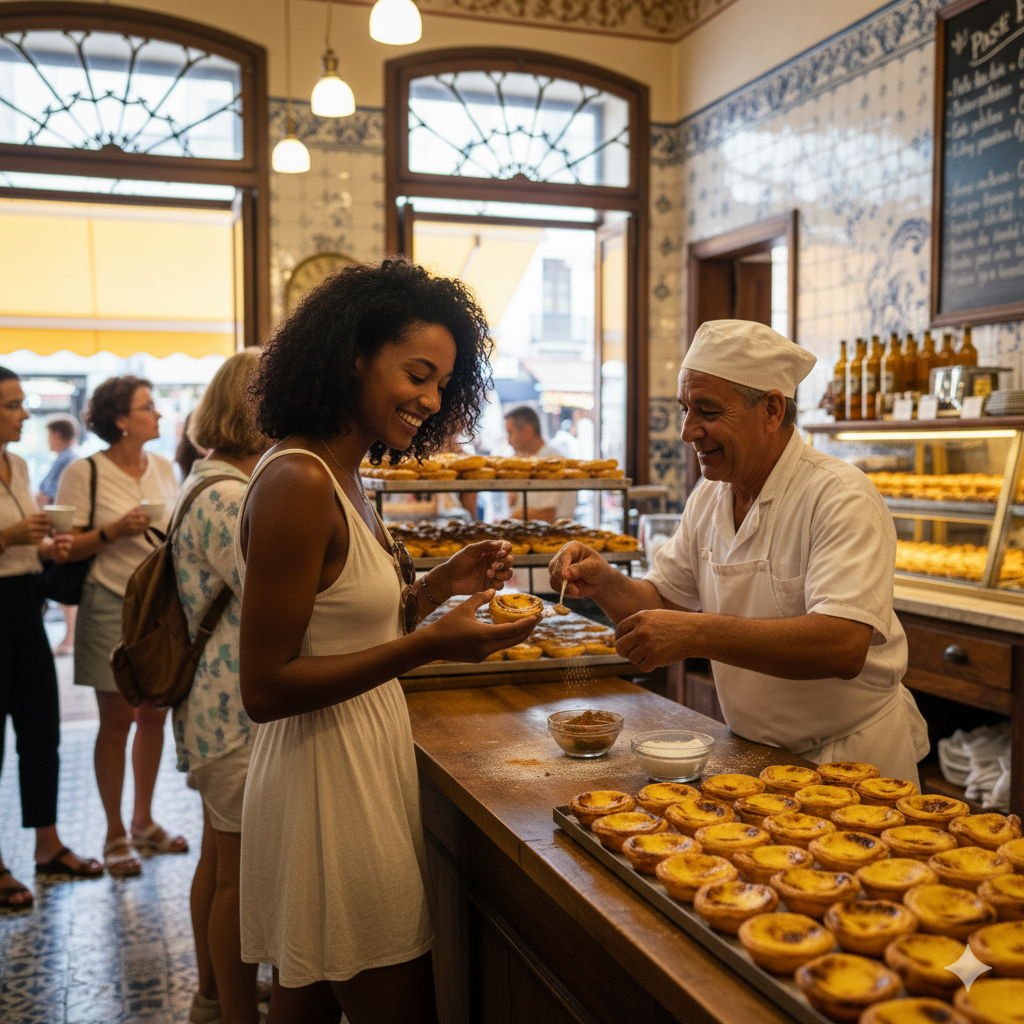
Enjoying pastel de nata
Lisbon feels like that friend who’s always up for a good time. Sunny, colorful, with historic trams rattling through cobbled streets. Mid-morning at Pastéis de Belém, and the room was beginning to fill — the low hum of Portuguese conversation, the clatter of espresso cups, tourists arriving in twos and threes as I stood alone at the marble counter with a pastel de nata still warm from the oven.
I reached for the cinnamon shaker and did something apparently very wrong.
The baker beside the counter caught it immediately. He leaned over, shook his head once — not unkindly — and took the shaker from my hand. Then he showed me: a slow, deliberate swirl, wrist loose, like it was the most natural thing in the world. “Tourista,” he said, and when he looked up and saw my face, he laughed. Not a polite laugh. A real one — eyes creasing, head tilting back slightly, the kind of laugh that doesn’t need a shared language to land.
I laughed too. Alone at a marble counter in a foreign city, powdered sugar on my sleeve, welcomed by a stranger’s laugh — that was the moment Lisbon became mine..
The Vibe?. I visited the Belém Tower and explored its historical architecture, as I enjoyed stunning views of the Tagus River and Lisbon city. Because walking is my hobby, the park area gave me a picnic with walking paths. My stay in Lisbon also allowed me to tour the LX Factory for artsy vibes and a touch with the local market.
A Micro‑moment I loved: I climbed up to Miradouro da Graça just before sunset and watched tram bells echo across the hills. I hopped off Tram 28 two stops early to peek into a family‑run tasca where the owner insisted I try her caldo verde.
How I Spent 3 Days in Lisbon Solo
I kicked off my first morning at Pastéis de Belém—devouring three warm tarts before the crowds arrived—then climbed the spiral stairs of Belém Tower for those iconic river views. My days became a beautiful blur of getting “deliberately lost” in the maze of Alfama, dodging peacocks at São Jorge Castle, and white-knuckling the turns on the historic Tram 28.
I took the 40-minute train to Sintra to descend the mossy initiation wells of Quinta da Regaleira (pure magic!), then felt the Atlantic spray on my face in coastal Cascais. Back in the city, I spent my final hours hopping between octopus salad stalls at Time Out Market and peeking into vintage shops in Príncipe Real. Each evening ended the same way: perched at a miradouro (viewpoint) watching the sunset turn the city pink, usually with a final pastel de nata in hand and fado music drifting through the air.
Is Lisbon Safe for Solo Female Travelers
Portugal ranks #7 in the world, with a score of 1.371 (Global Peace Index), and Lisbon’s walkable layout makes independent exploration effortless. I felt completely safe wandering the Alfama district even at night. The locals’ warmth and the city’s abundance of budget-friendly hostels make it perfect for launching your solo travel journey.
According to the U.S. Department of State’s Travel.State.gov travel advisory, Portugal (including Lisbon) is currently rated Level 1 – Exercise Normal Precautions — the lowest risk level.
Common sense rules:
- Don’t flash expensive jewelry or cameras on Tram 28 or in Rossio Square (pickpocket hotspots).
- Keep your bag zipped and in front of you in crowded areas.
- Avoid Intendente and Martim Moniz late at night if you’re alone—not because of violence, but because they’re poorly lit and less touristy.
- If someone offers you “hashish” or “cocaine” near Rossio or Cais do Sodré, just say “não, obrigada” and keep walking. It’s a scam, not a threat.
- Save your accommodation address in Portuguese in your phone notes—taxi drivers and emergency services will need it
Emergency Contacts (Save These in Your Phone)
In any emergency, dial 112 for police, ambulance, or fire—English is spoken. For medical care, British Hospital (+351 21 721 3400) has English-speaking staff. If you’re robbed or need police assistance, Tourist Police at Praça dos Restauradores (+351 21 342 1623) are specifically trained for visitors.
Safe Neighborhood
- Chiado – Central, well-lit, and polished; a comfortable, high-confidence base.
- Príncipe Real – Leafy and residential; calm, stylish, and quietly secure.
- Baixa – Walkable and convenient; watch for pickpocketing in crowded areas.
- Alfama – Atmospheric but steep and quieter at night.
- Bairro Alto – Lively and nightlife-heavy; safe, but busy after dark.
Note: Avoid staying right in Cais do Sodré or Bairro Alto if you value sleep; they are safe, but the nightlife is loud until 4 a.m.
What to Do in Lisbon
Must-See Attractions:
- Visit Belém Tower and enjoy the stunning historical architecture with views of the Tagus River
- Stroll the Alfama district with maze-like streets perfect for getting beautifully lost
- Check out LX Factory for cool artsy industrial space with cafés, boutiques, and street art
- Jump on Tram 28 for a scenic ride through historic neighborhoods (go early to avoid crowds)
Cultural Experiences:
- Catch a live Fado show in Alfama (authentic venues start around €15)
- Visit the Tile Museum to understand Portuguese azulejo art
- Join a free walking tour of Alfama’s hidden corners
- Greetings matter: Say “bom dia” (good morning) or “boa tarde” (good afternoon) when entering shops or cafés.
- Dress casually but neatly. I wore sundresses, linen pants, and sneakers.
Don’t Miss:
- Pastéis de Belém for the original custard tart
- Sunset at Miradouro da Senhora do Monte viewpoint
- Exploring the gardens around Belém Tower for riverside picnics
Best Hostels in Lisbon
I fell in love with Home Lisbon Hostel. They organize Sintra tours, free walking tours, and pub crawls led by Tiago, who has this magical ability to make a group of strangers feel like old friends within an hour. Every night, the hostel owner’s mother cooks a 3-course Portuguese meal (Mamma’s Dinner) for €10, wine included.
You can also opt for This is Lisbon Hostel in Bairro Alto, a lively neighborhood bursting with cafés and nightlife. It’s a short tram ride to Belém and ideally placed for exploring.
How Much Does Lisbon Cost for a Solo Female Traveler?
Here’s a breakdown for the 2026 Lisbon solo travel budget in US dollars
| Category | Budget Traveler | ✦ Mid-Range | ◈ Comfort Traveler |
| Daily Total | $75 – $95 | $120 – $160 | $180 – $250 |
| Accommodation | $28–38 (Hostel Dorm) | $60–80 (Private Room) | $100–140 (Boutique Hotel) |
| Meals | $20–28 (Tascas/Markets) | $35–50 (Mix of Tascas/Bistros) | $55–75 (Quality Dining) |
| Transport | $7–10 (Viva Viagem) | $10–15 (Incl. Day Trips) | $15–20 (Uber/Bolts) |
| Activities | $8–14 (Mostly Free) | $15–25 (1–2 Paid Sights) | $25–40 (Tours/Museums) |
| Extras | $5–8 (Coffee/Tarts) | $10–15 (Wine/Coffee) | $15–25 (Wine/Incidentals) |
2026 Lisbon Daily Budget (USD)
The “Lisbon Value” Strategy for 2026
Lisbon is widely considered the best-value capital in Western Europe, but in 2026, you have to be more strategic to avoid “tourist inflation.”
- The “Navegante” Zapping Hack: Don’t buy individual tickets ($2.00+). Buy the Navegante occasional card for $0.50 and load it with “Zapping” credit. This drops the price of a Metro or bus ride to $1.72 and—crucially—includes the famous yellow funiculars (like Bica) which otherwise cost over $6.00 at the onboard rate.
- The “Lisboa Card” Math: In 2026, the card costs $23 for 24 hours. It only pays off if you plan to do the “Belém Blitz” (Jerónimos Monastery + Belém Tower + Tile Museum) in a single day. If you’re just wandering Alfama, stick to the Navegante card.
- The Tap Water Win: Lisbon’s tap water is excellent. Carrying a reusable bottle and filling up at the historic Chafariz (fountains) will save you roughly $5 per day in a city where bottled water prices have spiked in Baixa.
- Eat at local tascas instead of tourist restaurants
- Book a free walking tour and tip what you can afford.
Lisbon solo travel tips
Navigating Lisbon
- Metro: Clean, safe, runs until 1 a.m. (3 a.m. on Fridays/Saturdays). Buy a Viva Viagem card—works on metro, trams, buses, and ferries.
- Download the Lisboa Metro app for offline use.
- Trams: Tram 28 is iconic but packed with pickpockets. Tram 12 or 25 are better for actual transport.
- Late-night options: Uber or Bolt after metro closes. Always cheaper and safer than taxis.
- Walking: Lisbon is hilly—wear good shoes. Use Google Maps to avoid the steepest climbs.
- To Sintra: Catch the train from Rossio or Oriente station. Trains leave every 20 minutes. Buy a reloadable card to skip ticket lines.
- Pro tip: Always validate your ticket when boarding. Inspectors check randomly, and fines are steep.
Master the Art: If the idea of eating alone still gives you butterflies, read my Complete Guide to Solo Dining with confidence for the exact scripts and mindset shifts I use to feel confident at any table.
Go Deeper: For my full list of other Portuguese cities and neighborhood safety maps beyond the capital, check out my Comprehensive Portugal Solo Travel Guide.
2. Copenhagen, Denmark
Copenhagen is Best for: Bike lovers, design enthusiasts, hygge seekers. The city might be pricer, but worth it.
Perfect Time to Visit: May-September (warmest weather, longest days)
The Copenhagen Vibe
Copenhagen’s all about hygge culture (a Danish lifestyle of coziness, comfort, and connection), and Denmark’s one country with gender equitable societies in Europe and a welcoming vibe. This is a city of bikes, colorful canals, and modern design. It made me feel like I’d slipped into a chic, carefree world.
My Copenhagen Experience
I arrived in the afternoon and found myself along the colorful waterfront of Nyhavn, sharing a long communal table with two other solo travelers—one from Berlin, another from Toronto. We compared itineraries the way some people compare playlists. No one asked why we were alone; in Copenhagen, solitude felt ordinary, almost designed for. Cyclists glided past in steady lines, parents parked strollers outside cafés without visible worry, and as dusk settled, the city shifted gently rather than abruptly.
Where I Stayed: Steel House Copenhagen in Vesterbro—a modern, budget-friendly hostel perfect for solo female travelers. It’s clean, has female-only dorms, and offers a gym, shared kitchen, and trivia nights, making it easy to meet people. The vibe is chill but social, and it’s just a 5-minute walk from the center station.
How I Spent 3 Days in Copenhagen
My three days in Copenhagen started at Rosenborg Castle just after opening, wandering the Crown Jewels and the peaceful King’s Garden before the crowds arrived, then fueling up on smørrebrød at Torvehallerne Market and renting a bike through the Donkey Republic app to glide through Christianshavn’s canal streets like a local. A small-group walking tour with Nordic Experience tied it all together — Nyhavn, Amalienborg Palace, the royal history — told by a local guide who made the city feel personal rather than performative.
Day two I took the 1.5-hour train to Odense, Hans Christian Andersen’s birthplace, which turned out to be one of the best solo decisions I made in Denmark — the museum is quiet, charming, and completely unhurried, the kind of place where you spend twice as long as planned without noticing. The city itself is small enough to wander without a map, and I was back in Copenhagen by early evening with time for a slow hygge coffee at The Living Room Café and Tivoli Gardens at dusk — twinkling lights on the lake, a Carlsberg in hand, the fairy tale feeling suddenly making complete sense.
My last day belonged to Copenhagen’s quieter edges: a morning walk through Kastellet Fortress, biking out to Refshaleøen for an organic lunch at La Banchina with harbor views, browsing the bohemian boutiques of Jaegersborgsgade in Nørrebro, and ending with dinner in Kødbyen — the Meatpacking District — with fellow travelers from the hostel, the kind of unplanned evening that only happens when you’re moving at your own pace.
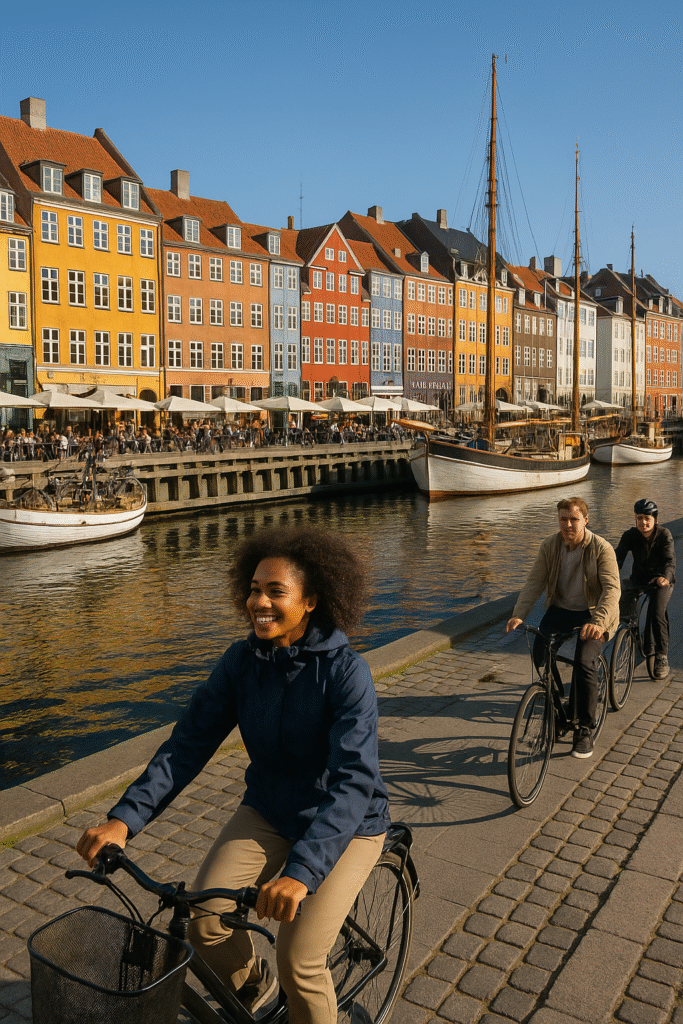
Riding past the colorful 17th-century townhouses along the Nyhavn waterfront in Copenhagen, with canal boats moored under a soft Nordic sky
Favorite easy bike loop (about 8 km)
Start at City Hall Square → ride Nyhavn’s waterfront boardwalk → cross Inderhavnsbroen to Christianshavn → glide along the canals → continue to Freetown Christiania → circle back via Kastellet and the Little Mermaid → return through Kongens Nytorv. Flat, photogenic, and full of café stops.
Bike etiquette at a glance: Use hand signals for turns, keep right and overtake left, never stop in the blue bike boxes at lights, and ring gently before passing. Helmets aren’t mandatory but I wear one. Don’t ride on sidewalks.
How you can enjoy your stay solo in Copenhagen
Essential Experiences:
- Rent a bike and explore like a local (there are over 390km of bike lanes)
- Visit Tivoli Gardens for old-school amusement park charm
- Explore Freetown Christiania’s alternative community
- Snap a pic at the famous Little Mermaid statue and Nyhavn’s colorful houses.
Cultural Activities:
- Spend your evenings at the Royal Danish Theatre, and you’ll get lost in a ballet that feels like a love letter to Copenhagen’s elegance.
- Enjoy world-class museums (Design Museum Denmark and National Gallery)
- Experience Scandinavian design shops in Latin Quarter
Solo Foodie Highlights:
- Smørrebrød at local bakeries
- Street food at Reffen market
- Craft beer scene in Vesterbro neighborhood
2026 Copenhagen Daily Solo Budget (USD)
Copenhagen is the most expensive city on my list, but it’s also a place where infrastructure works in your favor. In 2026, the Danish Krone (DKK) remains strong, so these figures reflect the high cost of living balanced with “hacks” like the Copenhagen Card.
| Category | Budget Traveler | ✦ Mid-Range | ◈ Comfort Traveler |
| Daily Total | $110 – $140 | $185 – $240 | $310 – $450 |
| Accommodation | $45–60 (High-end Hostel) | $110–150 (Guesthouse/Studio) | $220–350+ (Design Hotel) |
| Meals | $30–45 (Street Food/Bakeries) | $50–70 (Casual Cafés) | $80–120 (New Nordic Dining) |
| Transport | $5–10 (Donkey Republic Bike) | $15–20 (Metro/Copenhagen Card) | $20–35 (Metro + Taxis) |
| Activities | $20–25 (Tivoli Entry Only) | $30–45 (Museums/Canal Tour) | $50–80 (Private Tours/Events) |
| Hygge/Coffee | $10–15 (Coffee & Pastry) | $15–20 (Coffee & Beer) | $25–35 (Wine & Extras) |
The “Scandi-Saving” Strategy for 2026
Copenhagen prices can be a shock to the system, but you can navigate the city without breaking the bank if you use these three rules:
- The Tap Water Rule: Never buy bottled water. Danish tap water is among the cleanest in the world. Carrying a reusable bottle will save you roughly $5–7 per day.
- The “Copenhagen Card” Math: In 2026, if you plan to visit more than two museums and use the Metro three times in a day, the Copenhagen Card pays for itself. It’s a solo traveler’s best friend for safety and convenience.
- The Smørrebrød Lunch: Do your “big meal” at lunch. Traditional open-faced sandwiches at markets like Torvehallerne are filling, iconic, and significantly cheaper than a sit-down dinner in Vesterbro.
- Make use of free walking tours, but ensure to tip them
When to Visit for Value
- The Best Value (May & September): Long daylight hours for photography, but accommodation prices are 20% lower than the July peak.
- The “Hygge” Experience (December): Prices spike for Christmas markets, but the atmosphere is unmatched.
- The Deep Freeze (January–March): Expect heavy discounts on hotels, but be prepared for very short days and biting winds.
Copenhagen Solo Female Travel Tips
Packing Notes:
- Pack layers, as Copenhagen’s weather can be unpredictable even in summer
- Bring a light rain jacket, a light sweater or cardigan, and a scarf
- Pack t-shirts and shorts for warmer periods
- Sturdy, comfortable walking shoes: you’ll be doing a lot of walking
- A hat, sunglasses, and sunscreen for sunny days.
Safety:
- Copenhagen is extremely safe for solo women (Denmark is ranked #8 globally with a score of 1.39, according to Global Peace Index)
- According to the U.S. Department of State’s Travel.State.gov travel advisory, the Kingdom of Denmark (which includes mainland Denmark, the Faroe Islands, and Greenland) is currently designated Level 2: Exercise Increased Caution for U.S. citizens
- Bike lanes are well-marked; follow traffic rules
- Even late-night areas feel secure
- For emergencies, call (+45) 112 for life-threatening, and ask for the police, fire department, or ambulance service. Call (+45) 1813 for injuries or sudden illness.
3. Paris, France
Paris is best for: Art lovers, romantics, first-time solo travelers
When to visit? April-June, September-October (pleasant weather, manageable crowds)
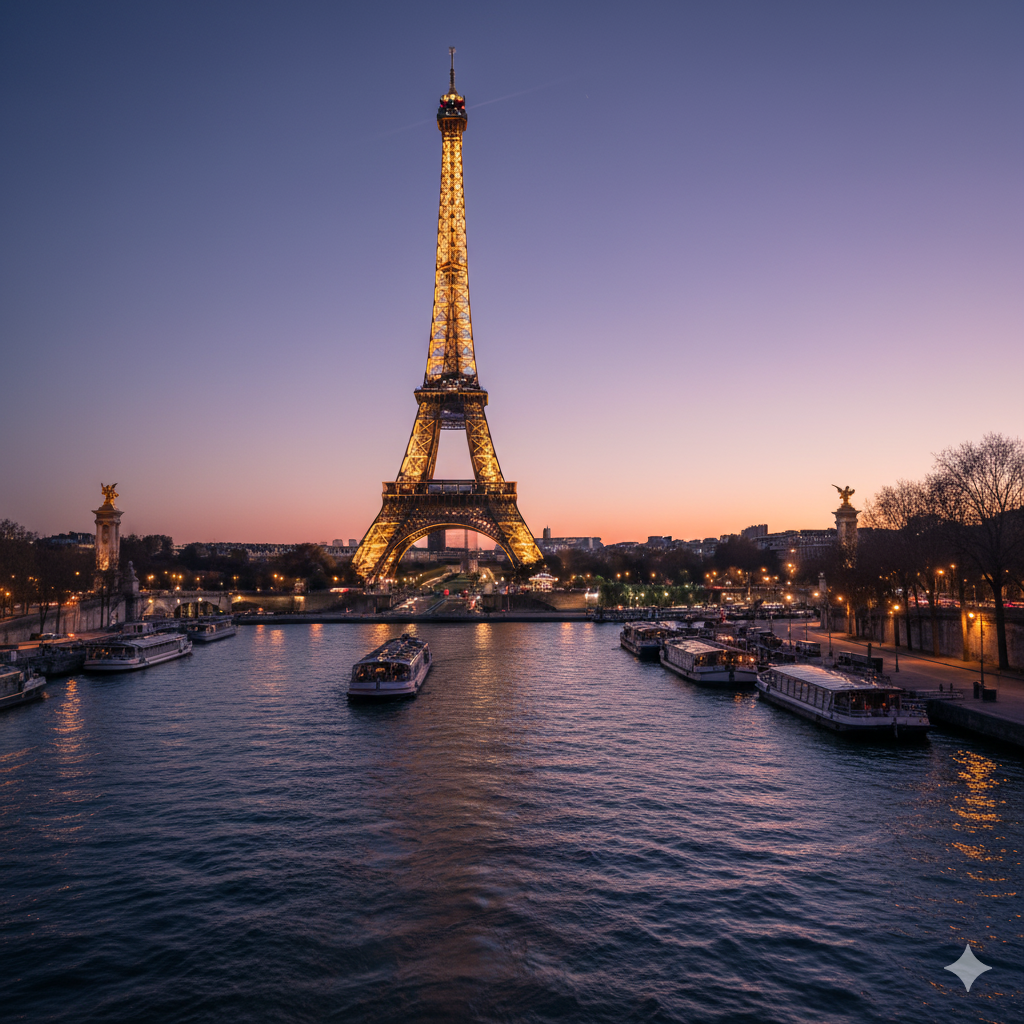
Eiffel Tower at Sunset
Why Paris Works for Solo Travelers
Paris is where solo dreams come alive. While it has a big city reputation, I found it remarkably safe and easy to navigate for independent travelers thanks to the efficient Metro system and well-lit streets. The café culture here makes dining solo completely normal; you can easily linger for an hour with a croissant and espresso while people-watching, and English is widely understood.
The city is full of fantastic solo-friendly activities, offering endless opportunities for self-reflection among its beautiful parks and riverbanks. You can easily fill your days exploring Montmartre or Le Marais on foot, or join one of the many organized small-group experiences like a wine tasting or walking tour to meet other adventurers. Paris offers an inspiring atmosphere that promotes independence, and it provides plenty of safe, boutique hotels and hostels perfect for solo women.
My Perfect Paris Days
Paris rewards solo travelers who show up hungry for culture and willing to move at their own pace, and that’s exactly how I approached four days there. I took the RER to Versailles on day one, arriving at 8 AM before the tour groups, cycling the palace grounds in near-solitude — that particular brand of quiet grandeur that only happens when you beat the crowds — then came back to the city for Le Marais in the afternoon and the Eiffel Tower light show after dark.
Day two was the cultural heart of the trip: the Louvre first thing, ticket booked in advance, navigating straight to the Mona Lisa before the room filled, then spending the real time in the quieter galleries where the masterpieces don’t have crowds around them. The Opéra Garnier stopped me completely — the chandeliers, the marble staircases, the sheer audacity of the interior — and the Galeries Lafayette rooftop afterward gave me the best free view in Paris.
The Musée d’Orsay anchored day three, less crowded than the Louvre and more emotionally affecting — Monet, Degas, Van Gogh housed in a former railway station, the kind of museum that makes you forget what time it is — followed by a long afternoon in the Jardin du Luxembourg with a journal and nowhere to be.
That evening I dressed up for the Moulin Rouge, booked online, arrived early for champagne, took an Uber back — bold, colorful, completely worth the solo splurge.
Day four was all slow goodbyes: the Notre-Dame waterfront, breakfast on Île Saint-Louis, a coffee at Les Deux Magots in Saint-Germain where Hemingway once sat, and one last panoramic climb up the Arc de Triomphe watching Paris stretch out in every direction — the perfect close to a city that gives solo travelers exactly as much as they’re willing to take.
Where to Stay in Paris
My all-time favorite is Grand Hôtel Lévêque on Rue Cler, one of Paris’s prettiest streets. Lined with bakeries, florists, and fromageries, stepping out feels like a Parisian dream. It’s a short walk to the Eiffel Tower in the 7th arrondissement. I could walk all the way to the Louvre, crossing the Ponte Alexander III bridge (a stunning bridge), then back to the Eiffel, crossing Pont Neuf.
Budget Alternative: Generator Paris hostel in the 10th district
Paris Solo Travel Tips
2026 Safety Reality Check:
Paris is a “High-Vigilance” city. While violent crime remains statistically lower than in many US hubs, it has the highest petty crime index on this list.
- Safety Score: 45.8/100 (Lowered by high pickpocketing and street scams). According to Numbeo.
- France (including Paris) is rated Level 2: “Exercise Increased Caution.
- The Honest Truth: You are very safe from physical harm, but your phone and wallet are at high risk if you’re distracted.
Solo Female safety-tips:
- The Metro “Hot Zones”: Be hyper-aware on Lines 1, 4, and the RER B (the airport link). In 2026, professional pickpocketing “teams” (often minors) operate here. Keep your phone out of sight near the doors—”snatch and runs” as the doors close are the #1 reported incident.
- Neighborhood Nuance: Stay in the 3rd (Marais) or 6th (Saint-Germain). They are well-lit and busy until 2 a.m. Avoid staying near Gare du Nord or the northern parts of the 18th (Barbes-Rochechouart) after dark; the “vibe” shifts from bohemian to aggressive quickly.
- The “Non, Merci” Rule: If someone approaches you with a “free” string bracelet (Montmartre) or asks if you “speak English” (Louvre area), do not stop. In Paris, silence isn’t rude—it’s your best defense.
- Keep bag in front in crowded areas
- Avoid poorly lit parks at night
Emergency Phone Numbers in France:
- 15 – SAMU: Medical emergencies (ambulance and urgent health assistance)
- 17 – Police: Crime, danger, or immediate police assistance
- 18 – Fire Brigade: Fires, accidents, rescues, and emergencies
- 114 – Deaf & Hard of Hearing Emergency Line: Accessible via SMS, fax, or video
- 112 – European Emergency Number: Works across the EU, especially from mobile phones
2026 Paris Daily Solo Budget (USD)
Paris in 2026 is a study in contrasts: you can spend a fortune on a single dinner in the 8th Arrondissement, or live like a local student on the Left Bank. Since the Olympics in 2024, base prices for accommodation have stabilized at a higher “new normal,” but the city remains very navigable on a mid-range budget.
| Category | Budget Traveler | ✦ Mid-Range | ◈ Comfort Traveler |
| Daily Total | $90 – $115 | $160 – $220 | $300 – $450 |
| Accommodation | $40–55 (Boutique Hostel) | $95–140 (3-Star Hotel/Studio) | $200–350+ (4-Star/Luxury) |
| Meals | $25–35 (Boulangeries/Crepes) | $45–65 (Bistros/Bouillons) | $80–130 (Fine Dining/Wine) |
| Transport | $6–9 (Metro/Walking) | $10–15 (Metro + 1 Uber) | $20–35 (Ubers/Private Hire) |
| Activities | $10–15 (Parks/Free Museums) | $20–40 (Louvre/Eiffel/Tours) | $50–100 (Shows/Private Tours) |
| Coffee/Wine/Treats | $10–15 (Café au Lait/Pastry) | $15–25 (Wine/Afternoon Tea) | $30–50 (Champagne/Patisserie) |
The “Parisian Purse” Strategy for 2026
- The “Menu MIDI” Hack: In Paris, the best value is found at lunch. Look for a formule (set menu) at a local bistro between 12:00 PM and 2:00 PM. You can often get a 2-course, high-quality meal for $22–28, whereas the same quality at dinner would cost double.
- The Navigo Easy Card: Don’t buy single paper tickets (which are being phased out). Get a Navigo Easy card at any station for $2 and load it with a “carnet” of 10 rides. It’s safer, cheaper, and works on your phone.
- Museum Logistics: In 2026, timed entry is mandatory for nearly every major site. Booking 2–3 weeks in advance isn’t just a tip; it’s a requirement. If you miss your slot, you lose the booking fee (usually around $18–25).
- Free Water (with Style): Look for the Wallace Fountains (the green cast-iron statues). The water is free, cold, and perfectly safe. It’s a classic Paris “micro-moment” that saves you $4 per bottle.
- Picnic with market finds instead of restaurants
- Walk between neighborhoods—Paris is smaller than it seems
Strategic Timing for Value
- The Best Value (March & November): The “grey” months. It might drizzle, but hotel prices drop by 35%, and you can actually see the Mona Lisa without a wall of selfie sticks.
- The Peak (June & September): Fashion Weeks and late spring. Expect to pay a premium for any hotel within the central 1–10 Arrondissements.
- The Sunday Rule: Many smaller shops and boulangeries close on Sundays. Plan your grocery/snack shopping for Saturday to avoid overpaying at tourist convenience stores.
Solo Experiences:
- Join free Montmartre walking tours to discover hidden cafés
- Evening ballet at Palais Garnier (dress up, feel special)
- Late-night crêpes by the Seine (safe, romantic, quintessentially Paris)
For a complete deep-dive into solo female travel across all of France, check out our comprehensive France solo travel guide
4. Reykjavik, Iceland
Reykjavik is best for: Nature lovers, Northern Lights chasers, and a vibrant nightlife.
Best time to visit: September-March (Northern Lights), June-August (midnight sun, warmer)
Why Reykjavik Feels Like a Fairytale
I spent 5 days in Iceland during winter, and Reykjavik felt like stepping into a world where solo female travelers aren’t just welcomed but celebrated. Iceland consistently ranks as the world’s safest country with virtually zero crime rates.
What Makes Reykjavik Special for Solo Women
This cozy capital combines small-town friendliness with stunning nature access. Think geysers, waterfalls, and Northern Lights within easy reach—ideal for solo adventurers craving both nature and tranquility.
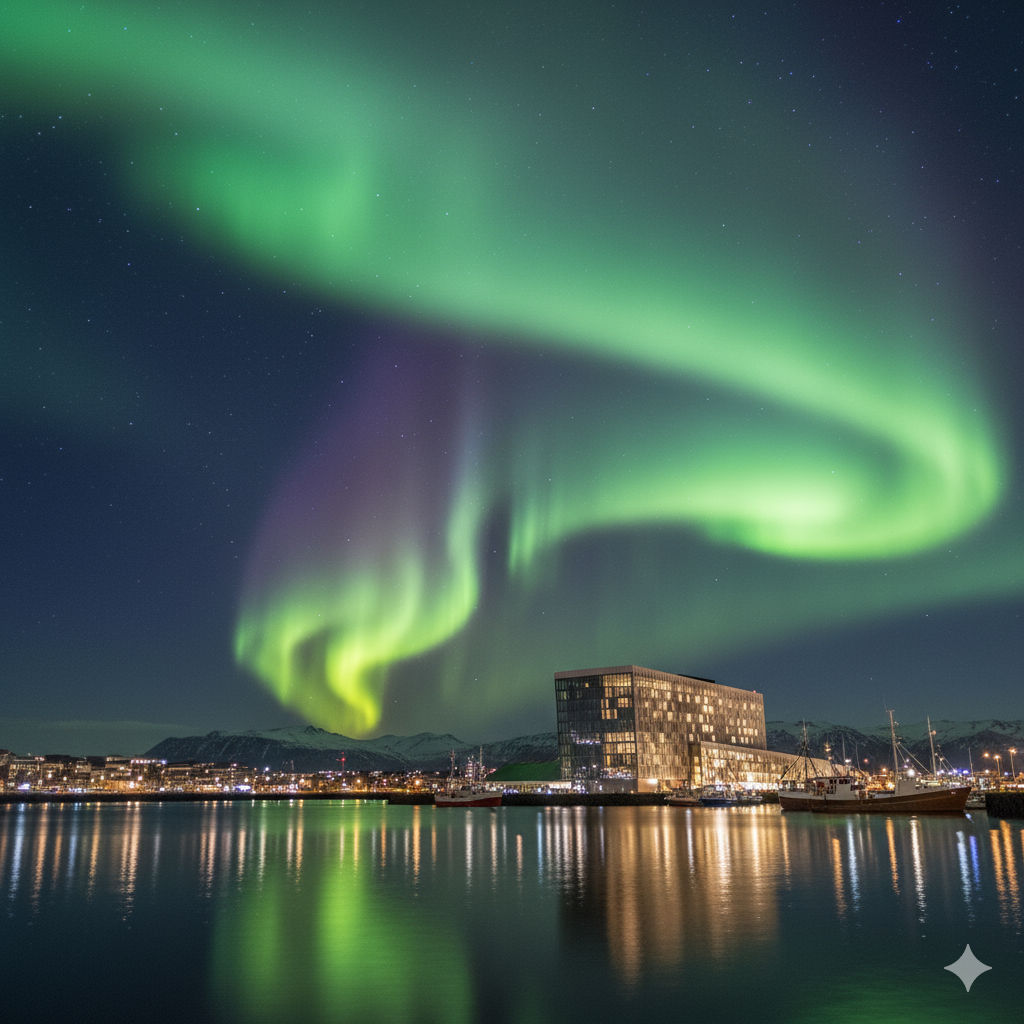
Vibrant green Aurora Borealis dancing over the night sky in Reykjavik, Iceland
My 5-Day Reykjavik Experience
Reykjavik disorients you in the best way from day one — I joined a free downtown walking tour still jet-lagged, found the best hot dog of my life at Bæjarins Beztu Pylsur, climbed Hallgrímskirkja for views over a city that somehow feels both remote and entirely alive, and was back at Kex Hostel by evening already talking to strangers like old friends.
Day two was the Golden Circle, which earns every superlative thrown at it — Þingvellir National Park where two tectonic plates visibly pull apart, the Geysir geothermal field erupting on a reliable schedule, Gullfoss waterfall throwing spray into frozen air — the kind of landscape that makes you quietly recalibrate what the word “nature” means.
Day three was the Northern Lights, and I want to be honest about it: nothing I’d read prepared me for the actual experience. A small guided aurora tour, a dark field outside the city, and then the sky started moving — green and slow at first, then brighter, ribbons of light folding over themselves while the group went silent around me, strangers who’d been chatting an hour earlier suddenly just standing still, looking up, not saying anything because there was nothing useful to say.
The fourth day, I soaked in the Blue Lagoon — book well in advance, it sells out weeks ahead — then spent the evening at Harpa Concert Hall for a symphony that felt like the landscape turned into sound.
My last day was pure Reykjavik wandering: street art photography along Skólavörðustígur, browsing Laugavegur for souvenirs, warming up over lamb soup in a café where the windows fogged from the cold outside and nobody was in any hurry to leave.
What you can do in Reykjavik
Nature & adventure
- Take a Golden Circle tour to see geysers and waterfalls
- Chase the Northern Lights through tours (best Sept–Mar)
- Blue Lagoon and public hot pools (book in advance because of its popularity)
- Whale watching (seasonal)
- Small-group glacier hikes
City experiences
- Hallgrímskirkja tower views
- Harpa Concert Hall performances and architecture
- Self-guided street art walks
- Sun Voyager at sunset
Cloudy‑night backup plan (when auroras hide):
Check the Veður weather app and local aurora forecasts, then pivot to a night soak at a neighborhood pool like Sundhöllin or Laugardalslaug—steam under the dark sky feels magical. Pop into Perlan for the planetarium’s northern lights show, or join a guided night photography walk to capture lit streets and harbor reflections. You’ll still get a memorable Reykjavik night, lights or not.
Where I stayed
I picked Kex Hostel. It’s trendy and social. Great for meeting other travellers. It sits in a converted biscuit factory near the old harbour. If you want quieter dorms, there are smaller hostels in the city centre.
2026 Reykjavik Daily Solo Budget (USD)
Reykjavik is often the most expensive destination on a European itinerary, largely due to the high cost of importing goods and the premium on fuel. However, for a solo traveler, the “safety tax” is non-existent—the city is inherently secure, allowing you to focus your budget on experiences rather than safety logistics.
| Category | Budget Traveler | ✦ Mid-Range | ◈ Comfort Traveler |
| Daily Total | $105 – $135 | $190 – $260 | $350 – $550+ |
| Accommodation | $45–65 (Hostel Dorm) | $120–170 (Guesthouse) | $250–400 (Luxury Hotel) |
| Meals | $25–35 (Hot Dogs/Grocery) | $50–75 (Cafés/Pubs) | $90–150 (Fine Dining) |
| Transport | $5–10 (Walking/City Bus) | $15–25 (Airport Shuttle) | $70–120 (Rental Car/Taxi) |
| Activities | $15–20 (Public Pools) | $40–70 (Museums/Tours) | $120–200 (Blue Lagoon/Air) |
| Coffee & Snacks | $10–15 | $15–20 | $25–40 |
Reykjavik Insider Tips from my trip
- The “Local Pool” Hack: Instead of spending $100+ at the Blue Lagoon, visit a local thermal pool like Laugardalslaug. It’s where Icelanders actually socialize, it costs about $10, and it’s the ultimate safe, solo-friendly “micro-moment.”
- The Alcohol Alert: Alcohol is heavily taxed. Buy your wine or gin at the Duty-Free store in Keflavik Airport upon arrival. It will save you roughly 40% compared to city prices.
- Shop at Bónus supermarkets for basic groceries.
- Cook at your hostel when you want to save.
Packing essentials
- Pack warm layers — the weather changes fast.
- Waterproof jacket and sturdy boots.
- Swimsuit for hot springs.
- An eye mask for summer’s midnight sun.
Safety & nature notes
Iceland is statistically the safest country on Earth (Global Peace Index), and local Icelanders are incredibly helpful. That said, nature can be unpredictable. Always check the weather before heading out.
The U.S. Department of State (Travel.State.gov) currently lists the country at Level 1: “Exercise Normal Precautions.
Iceland’s emergency number is a simple 112. It serves you to the correct responders.
Unique Features:
- The midnight sun phenomenon means summer nights never truly get dark. It’s definitely perfect if you’re hesitant about nighttime exploration.
- Most Icelanders speak excellent English
- Solo-friendly culture—eating/traveling alone is completely normal
Experience Iceland’s unique features and connect with Icelanders
5. Ljubljana, Slovenia
Best for: Hidden gem seekers, eco-conscious travelers, intimate experiences
Best time to visit Ljubljana: April-June, September-October (perfect weather, festivals)
Europe’s Best-Kept Secret
Ljubljana represents the best of hidden European destinations for solo female travelers. This charming capital is laid-back, serene, incredibly safe, and genuinely welcoming to independent explorers.
Why Ljubljana Surprised Me
Wandering along the Ljubljanica River, snapping photos of pastel bridges, I felt like I’d stepped into a storybook. The car-free city center meant days of stress-free walking, discovering local markets, and chatting with locals who eagerly shared their city’s secrets.
The Ljubljana solo travel experience feels intimate and personal in ways larger European capitals sometimes can’t match.
My Ljubljana Experience
Where I Stayed: Hostel Tresor in the heart of the city, just steps from the Triple Bridge. The vibrant pedestrian streets outside, lined with cozy cafés and bookshops, made every morning feel magical. It’s perfect for exploring on foot
My Favorite Moment: Free Ljubljana Old Town walking tour. I learned about the city’s dragon legend and got tips on Slovenia’s growing wine culture in local tasting rooms. I also spent an evening at the Slovenian National Theatre, enchanted by a ballet that left my heart full.
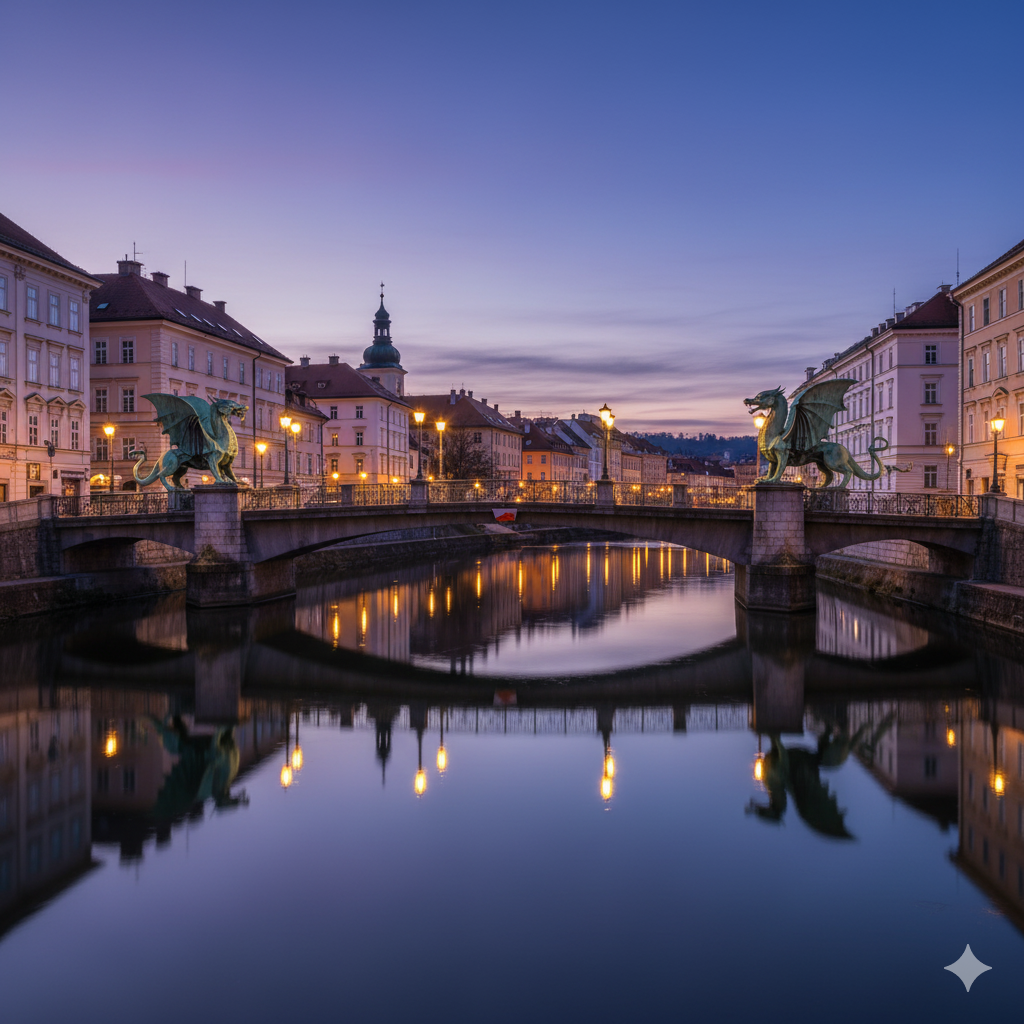
Close-up of a fierce green copper dragon statue guarding the Art Nouveau Dragon Bridge in Ljubljana, Slovenia
My Perfect Day
Ljubljana catches you off guard in the best way — you arrive expecting a capital city and find something that moves at the pace of a village, unhurried and entirely sure of itself. I based myself at Hostel Tresor steps from the Triple Bridge, which meant every morning started with coffee on pedestrian streets lined with bookshops and flower stalls before the day had properly begun.
The free Old Town walking tour was where Ljubljana first revealed its personality — a local guide explaining the dragon legend with the deadpan affection of someone whose city has heard every tourist joke about it, then pivoting to Slovenia’s emerging wine culture with genuine enthusiasm, pointing me toward Movia Wine Bar for an evening glass of local Rebula that turned into two hours of conversation with the bartender and a couple from Zagreb who knew every winemaker by name.
The car-free center meant days that flowed naturally from the castle funicular up to panoramic views, back down through the Dragon Bridge, along the Ljubljanica River to the Central Market on Saturday morning — stone fruit and honey in summer, wild mushrooms and walnut pastries in autumn, vendors offering tastes before you’d even asked — then across Tivoli Park in the afternoon, the kind of green, quiet urban space that makes you wonder why every city doesn’t do this.
My last evening I spent at the Slovenian National Theatre for a ballet that I almost skipped because I was tired and nearly talked myself out of it, and I’m grateful I didn’t — the performance was breathtaking, the theatre itself intimate in a way grand European opera houses sometimes aren’t, and I walked back to the hostel along the river alone at midnight feeling completely, unreasonably safe and entirely at home in a city I’d arrived in not knowing a single thing about it.
What to Do in Ljubljana
City Exploration:
- Explore the Ljubljana Castle for panoramic city views
- Tour the pedestrian-friendly old town with three bridges (Tromostovje)
- Wander through the Dragon Bridge with iconic dragon sculptures
- Visit the vibrant Central Market and try local Slovenian specialities
Nature & Parks:
- Take scenic walks through Tivoli Park’s green spaces perfect for walking, running, or picnicking
- Join small-group tours to nearby Lake Bled and Postojna Cave
- Metelkova Mesto—alternative art district, colorful murals
Food Experiences:
- Eat at gostilnas (traditional inns) for affordable Slovenian cuisine
- Try štruklji (rolled dumplings), Carniolan sausage, potica
- Wine tasting in city cellars
2026 Ljubljana Daily Solo Budget (USD)
Ljubljana remains the “best-kept secret” for your wallet. While prices have nudged upward as the city gains popularity, it still offers a refreshing break from the high costs of nearby Vienna or Venice. Because the city center is car-free and compact, your transportation costs here will be the lowest on this entire list.
| Category | Budget Traveler | ✦ Mid-Range | ◈ Comfort Traveler |
| Daily Total | $65 – $85 | $115 – $155 | $210 – $320 |
| Accommodation | $25–35 (Hostel Dorm) | $75–100 (Boutique B&B/3* Hotel) | $150–220 (Central 4/5* Hotel) |
| Meals | $15–25 (Bureks/Markets) | $30–45 (Riverside Cafés/Bistros) | $55–85 (Fine Dining/Wine) |
| Transport | $2–5 (Mostly Walking) | $5–10 (Urbana Card/Local Bus) | $15–25 (Taxis/Private Transfers) |
| Activities | $5–10 (Funicular/Walking) | $15–25 (Castle/Museums) | $40–70 (Private Food Tours) |
| Coffee/Wine/Treats | $5–8 (Espresso/Pastry) | $8–12 (Wine/Draft Beer) | $15–25 (Cocktails/Desserts) |
The “Slovenian Savings” Strategy for 2026
- The Burek Breakfast: For a filling, iconic, and incredibly cheap meal, head to Burek Olimpija. A giant, fresh burek will set you back about $4.50 and keep you full until dinner. It’s a solo traveler’s staple.
- The Urbana Card Fee: To use the local buses, you must buy a non-refundable Urbana card (about $2.35). If you’re staying in the center, you likely won’t need it at all—Ljubljana is one of the most walkable capitals in Europe.
- The “Kavalir” Perk: Look for the little green electric carts called Kavalirs in the pedestrian zone. They offer free rides for anyone who needs a lift—a quirky, safe, and zero-cost way to get across the Old Town.
- Riverside “Social” Safety: The riverside cafés are the heartbeat of the city. In 2026, it is culturally very normal to sit for hours with a single coffee ($3) and a book. It’s the safest place to “be alone together” with the locals.
- Make use of free walking tours (always tip €5-10)
- Many museums offer free entry on first Sundays
- Cheap and delicious lunches at Druga Violina restaurant
Strategic Timing for Value
- The Best Value (May & September): The weather is perfect for the Ljubljanica River boat tours, but you’ll avoid the peak summer surcharges.
- The Winter Magic (December): Ljubljana’s Christmas markets are famous for being “intimate” rather than “overwhelming.” Prices for hotels rise, but the festive vibe is worth the extra $20/night.
- The “Tourist Tax” Reminder: In 2026, Ljubljana has a mandatory tourist tax of approximately $3.70 per night. This is often not included in your Booking.com quote, so keep some spare Euros ready for checkout!
Ljubljana Pro Tips
Safety Notes:
- Extremely safe for solo women (According to the U.S. Department of State (Travel.State.gov) travel advisory, Slovenia — including Ljubljana — is currently rated Level 1: Exercise Normal Precautions, the lowest advisory level.
- Global Peace Index ranks Slovenia at #9 globally with a score of 1.4
- Stay alert in busy market areas (pickpockets rare but possible)
- Well-lit streets even late at night
- Dial 112 for medical emergencies, fire services, and rescue, and 113 for the police. These numbers are available 24/7 and work from both mobile phones and landlines.
Sustainable Travel:
- Ljubljana is European Green Capital
- Car-free city center since 2007
- Electric Kavalir carts for elderly/disabled (free rides)
- Excellent recycling and environmental initiatives
- Perfect for eco-conscious travelers
Wine & market picks I loved:
For tastings, slip into Movia Wine Bar or Dvorni Bar—both pour excellent Slovenian varietals by the glass and welcome solo sippers. On Saturdays, the Central Market swells with seasonal stalls; in summer, look for stone‑fruit and honey; in autumn, wild mushrooms and walnut‑rich pastries. Ask vendors for a quick tasting—most are delighted to share.
6. Florence, Italy
Florence is best for: Art enthusiasts, foodies, Renaissance dreamers
Perfect time to visit: April-May, September-October (avoid summer heat and crowds)
A Love Song to Art and Tuscan Life
Florence feels like stepping into a Renaissance painting that keeps breathing, creating, and shaping stories centuries later. The city is small enough to wander on foot but grand enough to make your heart skip. Standing before the Duomo with gelato in hand, I felt what Italians call la dolce vita — that slow, beautiful rhythm of life that Florence captures so well.
Florence doesn’t ease you in — it overwhelms you immediately and completely, and the only correct response is to surrender to it.
Things to Do in Florence
I crossed the Ponte Vecchio at sunrise on my first morning before the jewelers opened their shutters, the Arno catching the light below and not another tourist in sight, and understood within ten minutes why people have been making pilgrimages to this city for seven centuries.
Uffizi came next, arriving at opening hour, I moved through Botticelli’s Birth of Venus with the unhurried attention it deserves before the tour groups arrived. Each room genuinely felt like time travel rather than a museum visit. Then the Accademia to stand in front of David, which I’d seen in photographs a hundred times and still wasn’t prepared for, the marble so alive under the light that you instinctively lower your voice.
The Duomo climb is 463 steps and worth every one. Florence in warm terracotta tones stretching out in every direction, the kind of view that recontextualizes everything you’ve seen at street level. Food ran parallel to all of it the way it does in Tuscany, never separate from the experience. Lunch at Trattoria Mario, boisterous and perfectly Tuscan, elbow to elbow with locals who’d been eating there for decades.
The cooking class at Mercato Centrale ended with handmade pasta, real laughter, and my first properly made gelato artigianale; aperitivo in Santo Spirito at dusk with a glass of Chianti and a complimentary spread of snacks, the piazza filling with conversation and the scent of vino rosso while the light turned gold.
I spent my last afternoon getting deliberately lost in Oltrarno, watching craftsmen work gold and leather in studios along Via Santo Spirito, and ended at Piazzale Michelangelo for sunset — the city glowing blush and amber below, art and food and slow Florentine living fused into a single feeling that’s the closest thing I know to la dolce vita.
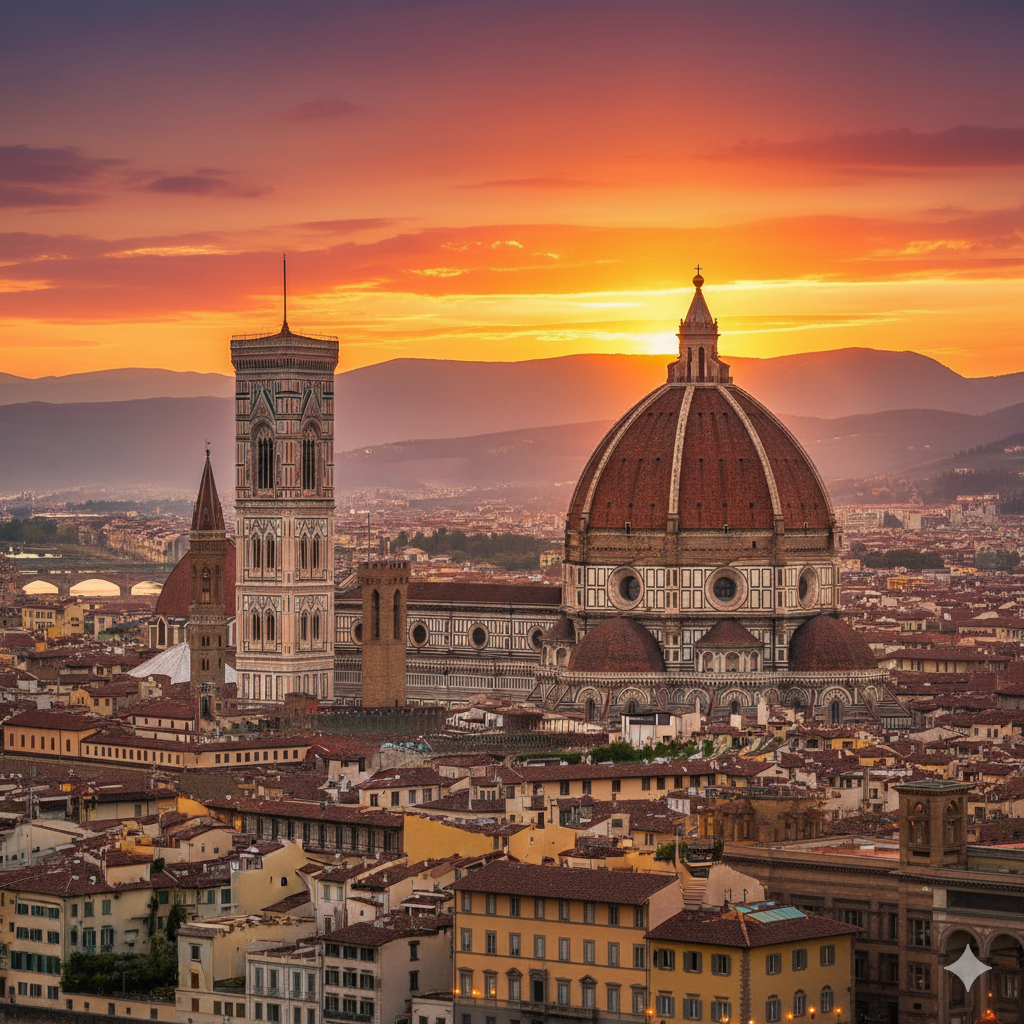
The Florence Duomo (Cattedrale di Santa Maria del Fiore) under a dramatic pink and orange sunset sky
Florence Neighborhoods to Explore
- Oltrarno — The city’s creative heart, where real artisans work gold, leather, and wood. I loved watching masters at craft in tiny studios along Via Santo Spirito.
- San Lorenzo Market — Ideal for local food, leather bargains, and a taste of everyday Florentine life.
- Santo Spirito — A bohemian slice of Florence where aperitivo hour fills the piazza with laughter and the scent of vino rosso.
Each neighborhood has its own personality, so give yourself time to wander without a map — that’s when Florence reveals her secrets.
Unforgettable Experiences
- Sunset at Piazzale Michelangelo: The city glows gold and blush, reminding you why art was born here. It’s pure magia fiorentina.
- Boboli Gardens: A peaceful escape framed by fountains and statues.
- San Miniato al Monte: A Romanesque church above the city — perfect for golden-hour photos.
- Cooking Class at Mercato Centrale: My experience ended with laughter, handmade pasta, and my very first gelato artigianale. You’ll leave with full stomach and fuller heart.
Where to Eat in Florence
Florence wins every food lover’s heart. Skip the overpriced restaurants near the main piazzas and follow the locals instead.
- Trattoria Mario: Busy, boisterous, perfectly Tuscan.
- Osteria Vini e Vecchi Sapori: A tiny spot where every dish feels like a secret recipe handed down through generations.
- Mercato Centrale: Perfect for quick bites and variety under one roof.
- All’Antico Vinaio: Home of the most famous sandwich in Italy — yes, the line is worth it.
How to order like a local (quick guide):
Expect a small coperto (cover charge) on the bill; water is naturale (still) or frizzante (sparkling). Menus flow antipasto → primo (pasta/risotto) → secondo (meat/fish) → contorno (sides) → dolce. It’s normal to order just a primo or share plates—do what feels right. House wine (vino della casa) is usually great value.
Gelato checklist:
1) Color: pistachio should be muted green, not neon.
2) Texture: look for low, flat pans—not whipped peaks.
3) Ingredients: short lists posted; seasonal flavors win.
If the shop smells like real waffle cones, you’re in the right place.
Pro tip: Look for natural colors in your gelato — true pistacchio is never neon green!
Where to Stay in Florence
Whether you prefer hostel energy or boutique charm, Florence offers both within walking distance of major sights.
- Ostello Bello Firenze: My base during the trip — cozy, safe, with female dorms and shared dinners that made meeting other travelers so easy.
- Hotel Cestelli: Ideal for simple, authentic stays near Palazzo Strozzi.
- Relais Cavalcanti Guest House: Central, warm, and perfect for solo travelers.
Stay near Santa Maria Novella or San Lorenzo for easy exploration, or choose Oltrarno for quieter, more local evenings. Avoid staying right by the Duomo if you value peace and better prices.
2026 Florence Daily Solo Budget (USD)
Florence offers incredible value if you step two blocks away from the Duomo. While it is more expensive than Lisbon, it remains significantly more affordable than the Nordic cities.
| Category | Budget Traveler | ✦ Mid-Range | ◈ Comfort Traveler |
| Daily Total | $85 – $110 | $150 – $210 | $280 – $400 |
| Accommodation | $35–50 (Hostel) | $90–135 (Boutique B&B) | $180–300 (Historic Hotel) |
| Meals | $20–30 (Paninis/Pizza) | $45–65 (Trattorias) | $80–120 (Enotecas/Steak) |
| Transport | $5 (Mostly Walking) | $10–15 (Tram/Train) | $20–35 (Taxis/Private Car) |
| Activities | $15–25 (Churches/Parks) | $35–55 (Uffizi/Accademia) | $70–120 (Wine Tours) |
| Gelato & Coffee | $8–12 | $12–18 | $20–30 |
The 2026 Florence Insider Tips:
- The Standing Espresso: Never sit down for a quick coffee. If you drink your espresso standing at the bar, it’s usually $1.50–$2.00. If you sit at a table in a piazza, that same coffee can jump to $6.00.
- The “Firenze Card” Strategy: If you are a “museum marathoner,” the 72-hour card is worth it for the skip-the-line access alone. In 2026, peak season lines for the David can exceed three hours; your time is worth the $85 investment.
Florence Solo Female Travel Tips and Tricks
- Firenze Card: Great for skipping lines and accessing multiple museums.
- Free Walking Tours: Tip-based and full of hidden gems — Oltrarno tours are especially worthwhile.
- Eat Local: Trattorias away from main squares cost less and offer better quality.
- Wine Tours: Try a sunset trip into Chianti — rolling hills, vineyards, and la dolce vita distilled in a glass.
Safety and Solo Travel in Florence
2026 Safety Reality Check: Florence is remarkably safe for women, but it currently ranks as one of Italy’s “theft capitals” simply because of the dense tourist crowds.
- Safety Score: 62.5/100 (High safety for walking alone; medium risk for scams). According to Numbeo
- The Honest Truth: You can walk home at 1 a.m. feeling like a queen, but you might get scammed by a “street artist” at 1 p.m.
- The U.S. Department of State (Travel.State.gov) says about Italy — including cities like Florence: Italy is currently rated Level 2: “Exercise Increased Caution
The “No-Fluff” Safety Features
- The “Art Print” Scam: In 2026, the most common scam involves people laying art prints on the ground in high-traffic areas (Piazza della Signoria). If you step on one, they will aggressively demand payment. Keep your eyes on the pavement in crowded squares.
- Santa Maria Novella (SMN) Warning: The area around the central train station is the city’s only “seedy” spot. It’s safe during the day, but after midnight, it can feel uncomfortable due to loitering. If your train arrives late, take a taxi or Uber to your hotel rather than walking the backstreets of the station.
- Solo-Friendly “Safe” Haven: The Oltrarno district (across the river) is my top recommendation. It’s less “theme park” and more residential. You’ll find local craftsmen and families out late, making the streets feel inherently “watched” and secure.
- The “Aperitivo” Security: Because Florentine nightlife centers around aperitivo (social drinks with food), you’re rarely “the only person” in a bar. It’s a built-in safety net for solo women.
Solo Dining and the Aperitivo Tradition
I quickly embraced Italy’s dining rhythm: lunch like a queen, dinner like a Florentine. Most trattorias have counter seating, making solo meals sociable and easy.
My favorite ritual quickly became aperitivo — order a drink between 6 and 9 PM, and you’re rewarded with a complimentary spread of snacks. One evening in Santo Spirito, glass of Chianti in hand, I thought, this is it — the heart of Florence, the soul of la dolce vita.
7. Seville, Spain
Seville dances to its own rhythm with passionate flamenco, Moorish palaces, and sun-soaked plazas. The city’s energy is infectious, and its mix of history and modern Spanish culture creates an intoxicating atmosphere.
Seville is best for: Flamenco lovers, architecture enthusiasts, tapas hoppers
The perfect time to visit: March-May, September-November (avoid brutal summer heat 40°C+)
My Seville Adventures
I started with a visit to Niebla, a charming small coastal town that felt like a hidden treasure. From there, I took a day trip to Granada to explore the breathtaking Alhambra. Pro tip: book your admission tickets well in advance to avoid missing out!
Another highlight! Ronda is a must-visit. The heat was intense, so I opted for a horse carriage tour, which was the perfect way to see the town’s stunning views. I dined at Pedro Romero Restaurant, where the food was exceptional and the ambiance truly memorable.
While in Seville, I was captivated by the city’s iconic landmarks. The Cathedral and its towering Giralda were awe-inspiring, while the Real Alcázar felt like stepping into a fairy tale. Plaza de España was a vibrant masterpiece, and I felt heavenly for soaking in the atmosphere.
A real treat was catching a Flamenco performance at Casa del Flamenco, which is a small, authentic venue that left me spellbound. I also loved getting lost in Seville’s maze-like streets, each turn revealing something new and delightful.
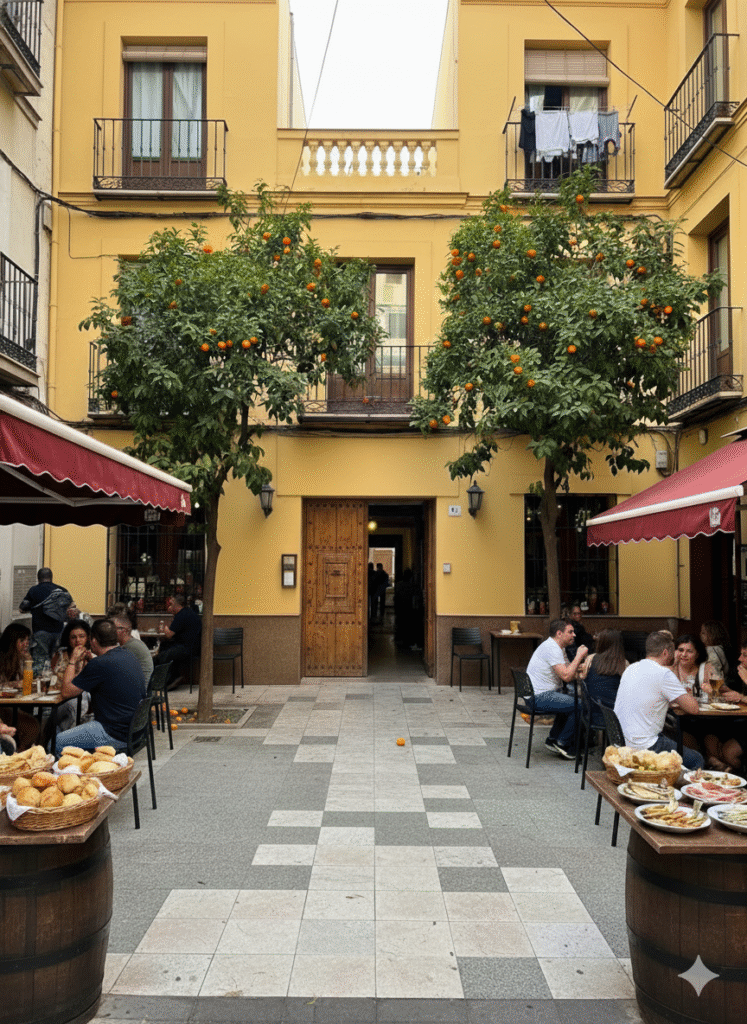
View from the terrace of La Banda Rooftop Hostel in the Santa Cruz neighborhood of Seville, with the Cathedral and Giralda in the background
So, where can you stay while in Seville?
You can spend your nights at La Banda Rooftop Hostel in Santa Cruz. This is the exact hostel I booked ( I can assure you it’s safe), surrounded by orange trees and tapas bars. Waking up to the scent of blossoms felt like a dream, and it’s a short walk to the Alcázar.
2026 Seville Daily Solo Budget (USD)
Seville remains one of the best values in Spain, offering a significantly lower cost of living than Madrid or Barcelona. While the city’s popularity has surged, its famous tapas culture allows you to eat like royalty for a fraction of what you’d spend in Northern Europe.
| Category | Budget Traveler | ✦ Mid-Range | ◈ Comfort Traveler |
| Daily Total | $70 – $90 | $140 – $190 | $260 – $420 |
| Accommodation | $30–45 (Social Hostel) | $90–135 (Boutique B&B) | $190–300 (Historic Palace) |
| Meals | $20–30 (Tapas/Market) | $40–60 (Sit-down Tapas) | $80–120 (Fine Dining/Wine) |
| Transport | $4–8 (Walking/Bus) | $10–15 (Bus/Airport Bus) | $20–35 (Taxis/Private Hire) |
| Activities | $10–15 (Alcázar/Parks) | $25–45 (Cathedral/Show) | $60–120 (Private Tour/VIP) |
| Coffee/Wine/Churros | $6–10 | $12–18 | $20–35 |
The “Sizzling Seville” Strategy for 2026
- The “No Tourist Tax” Bonus: Unlike Barcelona or the Balearic Islands, Andalusia does not collect a regional tourist tax in 2026. This makes Seville a massive competitive bargain, saving you up to $10 per night compared to other Spanish hubs.
- The TUSSAM Transport Hack: If you’re staying for more than a day, don’t pay the $1.50 cash fare. Get a Tarjeta Multiviaje (reloadable card). It brings the cost of a bus or tram ride down to about $0.45. You can find these at estancos (tobacconists) and kiosks.
- The “Menú del Día” Advantage: Lunch is the main event here. Seek out a Menú del Día between 1:30 PM and 4:00 PM for a 3-course meal with wine for about $14–18. It is culturally traditional and much cheaper than a full dinner.
- Flamenco for Every Pocket: You don’t need a $100 ticket. Authentic peñas or smaller venues like Casa de la Memoria offer world-class shows for $20–25. If you’re on a tight budget, look for free spontaneous performances in the Triana neighborhood or at Plaza de España.
Strategic Timing for Value
- The Peak (March–May): Avoid if you’re on a budget. During Semana Santa and the Feria de Abril, hotel prices can triple, and the city is at maximum capacity.
- The Value Play (October–November): The brutal summer heat has faded, but the “orange blossom” vibe remains. Prices are roughly 30% lower than spring.
- The Heat Discount (July–August): If you can handle 40°C+ (104°F+), you can stay in luxury palaces for budget prices. Just ensure your accommodation has top-tier air conditioning!
What you should do in Seville:
- Explore the Alcázar and Plaza de España.
- Catch a flamenco show in Triana.
- Savor tapas at local bars like Casa Morales.
- Wander the Santa Cruz neighborhood’s narrow streets.
Pro tips:
- Use a Tussam card for cheap transport.
- Eat tapas for lunch: it’s cheaper than dinner.
- Seville’s safe, but avoid poorly lit areas at night.
A Great Food Strategy:
- Casa Morales (near Cathedral)—authentic tapas bar since 1850
- Bar El Comercio (chocolate con churros)—breakfast tradition
- Mercado de Triana—local market, cheap eats
- Tapas crawl: order 1-2 tapas per bar, then move to the next bar.
Your Safety Notes:
- Spain, including Seville is generally safe, it’s ranked #25 globally by Global Peace Index with a score of 1.58
- The current travel advisory for Spain is Level 2: Exercise Increased Caution. This is according to the U.S. Department of State’s official guidance
- Avoid poorly lit areas at night, especially parks
- Santa Cruz gets very quiet after 11 PM—stay on main streets
- Watch belongings on crowded buses
- Heat is dangerous—stay hydrated, siesta during midday
- Dial 112 for all emergencies, including police, medical services, and fire assistance. You can also use 091 for the national police, 092 for local police, and 061 for medical emergencies.
Beating the Heat:
- Summer temperatures reach 40°C+ (July-August)
- Visit monuments early morning
- Take siesta 2-5 PM
- Evening activities after sunset (9 PM+)
- Seville’s rhythm: late lunches (2-4 PM), late dinners (9-11 PM)
Solo Dining in Seville
Dining solo in Seville feels effortless thanks to its lively tapas culture. Just walk into a bar, stand at the counter, and order plates one by one as locals do.
The atmosphere is friendly and casual, making it easy to join in and strike up small conversations. You’re never rushed — the rhythm is slow and social.
Bartenders are used to solo diners and often suggest their favorite tapas when you hesitate over the menu. Many spots even have English translations, so ordering is stress-free.
Whether it’s jamón ibérico at Las Teresas or montadito de pringá at Bodeguita Romero, tapas dining turns a meal into an experience. It’s the perfect way to mingle, taste, and truly feel part of Seville’s everyday life.
Timing hacks & shade routes:
Hit the Real Alcázar at opening time for quiet courtyards and cooler temps; visit Plaza de España in golden hour for the best photos and tile details. In peak heat, use shaded lanes from Avenida de la Constitución → Archivo de Indias → Jardines de Murillo → Santa Cruz.
Book flamenco 24–48 hours in advance; arrive 20 minutes early for front‑row seats and better sightlines. Carry a folding fan—stylish and practical.
8. Vienna, Austria
It’s my first time here, and Vienna feels like stepping into a fairy tale; grand palaces, world-class classical music, and coffee houses that invite you to linger for hours. Despite its imperial elegance, Vienna remains surprisingly approachable and safe for solo female travelers.
That perfect time to visit: April–May, September–October (mild weather, cultural events)
My Vienna Story
My first evening in Vienna, I attended a performance at the Vienna State Opera. Swept away by the ballet, I later strolled the twinkling streets feeling utterly enchanted. Vienna has this magical ability to make you feel both sophisticated and completely comfortable exploring alone.
What Made Vienna Special:
- The walkability—everything felt accessible on foot or via efficient public transport.
- Safety factor—even late-night walks felt secure in well-lit historic districts.
- Local warmth—Viennese people are formal but genuinely helpful once you engage.
A café vignette to slow down: One rainy morning at Café Sperl, I slid into a bentwood chair, ordered a Melange and Sachertorte, and wrote postcards as the room hummed softly—spoons on china, pages turning, the doorbell’s gentle ping. No one hurried me. An hour became two, and I left feeling stitched into the city. That’s the Viennese gift: time to linger.
Your Must-Do in Vienna
To truly dive into the city’s spirit, you must experience the imperial grandeur and the soulful art scene.
Imperial Splendor:
Get ready to feel like royalty! You’ll want to dedicate time to these magnificent sites:
- Schönbrunn Palace: This stunning Habsburg summer residence boasts gorgeous gardens that are a joy to wander. Be sure to explore the palace interiors on a guided tour for the full history.
- Hofburg Palace: Explore the heart of the empire here. Your visit includes the Imperial Apartments and the famed Sisi Museum. Don’t forget to check the schedule for the Spanish Riding School!
- Belvedere Palace: This beautiful baroque complex is home to a world-class art collection, including the instantly recognizable masterpiece, Klimt’s “The Kiss.”
- St. Stephen’s Cathedral: This Gothic masterpiece is free to enter, but climbing the tower will reward you with unparalleled city views.
Classical Music Experiences:
A trip to Vienna is incomplete without music. You have options for every budget:
- Vienna State Opera: Experience world-class performances. Pro tip: Standing room tickets are famously inexpensive—just be prepared to arrive early and queue about 80 minutes before the show!
- Musikverein: This is the home of the Vienna Philharmonic and boasts the stunning, gold-adorned concert hall.
- Karlskirche concerts: Enjoy a classical concert inside this magnificent baroque church, which offers incredible acoustics.
- Street musicians: Keep an ear out in the major pedestrian zones; you can often catch surprisingly talented free performances.
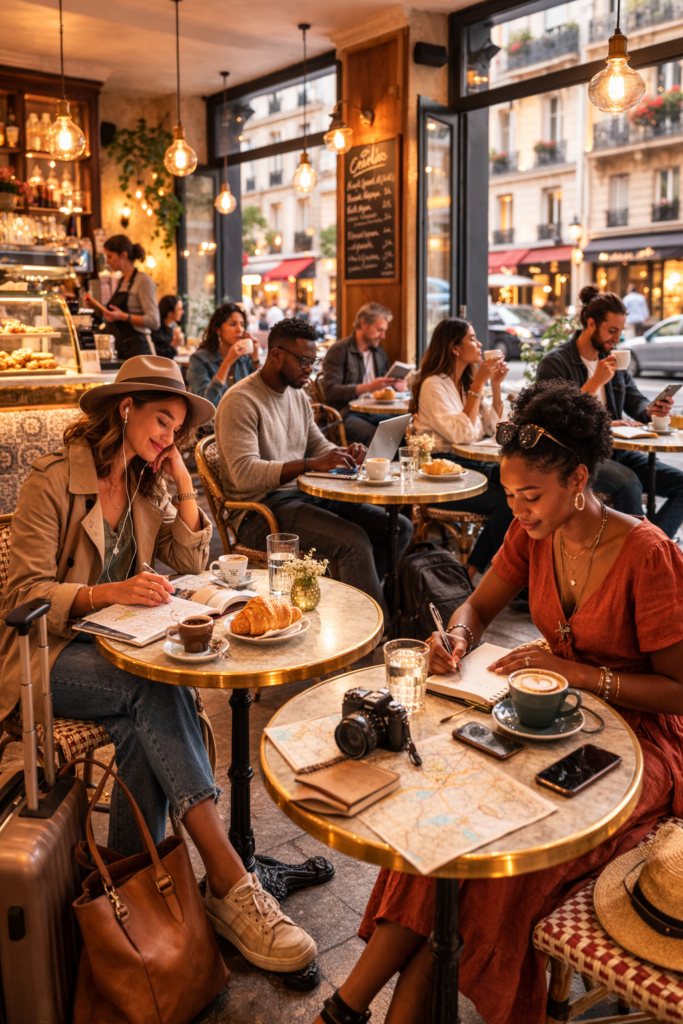
Enjoying coffee and Sachertorte inside a historic Vienna coffee house
Café Culture:
Vienna’s coffee houses are more than just places to drink coffee. They are institutions where you can relax, think, and people-watch for hours.
- Café Central: Historic and a little touristy, but absolutely worth it to sit where figures like Trotsky and Freud once hung out.
- Café Hawelka: A wonderful, less touristy spot that feels authentic and beloved by locals.
- Café Sperl: Step back in time at this traditional spot, which has remained beautifully unchanged since the 1880s.
- What to Order: Treat yourself to a Melange (the Viennese version of a cappuccino) and a slice of rich Sachertorte (the famous chocolate cake).
- The Vibe: Cafés expect you to linger—so bring a book or a journal and settle in!
Markets & Food:
- Naschmarkt: Vienna’s largest market, running Monday through Saturday. It’s a fantastic blend of international food stalls and a lively Saturday flea market.
- Brunnenmarkt: Head here for a more local, less touristy market with an authentic neighborhood feel.
- Würstelstand: You’ll see these sausage stands everywhere. They are your go-to for cheap, delicious street food and a classic Vienna experience.
Unique Vienna Experiences:
- Take an evening stroll through the beautifully lit Ringstrasse, the grand boulevard circling the city center.
- Visit the Prater amusement park and take a ride on the iconic giant Ferris wheel (Riesenrad).
- Hang out at the MuseumsQuartier, a massive cultural complex with great outdoor lounging areas, perfect for a break.
- Check out the Danube Canal for great street art and lively summer beach bars.
- Catch the Sunday concerts at Stadtpark for a relaxing afternoon.
Where to Stay in Vienna
Choosing the right base can make or break your solo trip.
My Choice: Wombat’s City Hostel Naschmarkt
I loved being surrounded by vibrant market stalls and cozy wine bars. It was wonderful waking up to the scent of fresh pastries! It’s a short walk to the Ringstrasse and major attractions, and I appreciated the modern, clean, and social atmosphere, plus they offer female-only dorms.
Alternative Options:
- Hostel Ruthensteiner: A great choice if you prefer a garden setting and relaxed vibe, located near Westbahnhof.
- DO&CO Hotel: If you want to splurge on a luxurious, unforgettable stay, this hotel overlooks St. Stephen’s Cathedral.
Neighborhood Guide:
- Innere Stadt (1st District): Central, walkable to everything, but definitely pricier.
- Naschmarkt area (4th/6th Districts): Offers great value, a trendy atmosphere, and an excellent food scene.
- 7th District (Neubau): The hip, artsy hub of the city, known for its vintage shops and generally cheaper accommodation.
2026 Vienna Daily Solo Budget (USD)
Vienna is the definition of “moderately expensive.” While it doesn’t reach the price peaks of Copenhagen, it is noticeably pricier than nearby Prague or Budapest. In 2026, Vienna’s world-class public transport remains a bargain, but the famous coffee house culture and imperial sights can eat into your budget if you aren’t strategic.
| Category | Budget Traveler | ✦ Mid-Range | ◈ Comfort Traveler |
| Daily Total | $80 – $105 | $165 – $225 | $350 – $580+ |
| Accommodation | $35–50 (Hostel Dorm) | $110–150 (3* Hotel/Guesthouse) | $260–450 (Imperial Palace Hotel) |
| Meals | $20–30 (Würstelstand/Bakery) | $50–75 (Cafés/Beisls) | $100–180 (Fine Dining/Opera Dinner) |
| Transport | $10–12 (24h Pass) | $12–18 (Daily + Train) | $30–60 (Ubers/Taxis) |
| Activities | $10–15 (Churches/Prater) | $35–55 (Museums/Opera Standing) | $80–150 (Guided Tours/Concerts) |
| Coffee & Cake | $8–12 (Melange & Sacher) | $15–20 (Table for One) | $30–50 (Premium Afternoon Tea) |
The “Vienna Value” Strategy for 2026
- The Standing Room Hack: In 2026, you can still experience the world-famous Vienna State Opera for less than a glass of wine. Standing room tickets are released 80 minutes before each performance for roughly $12–$18. It is the ultimate solo-friendly way to see world-class art without the $200 price tag.
- The “WienMobil” App Discount: Always buy your transport tickets digitally. In 2026, digital 24-hour passes on the app are roughly $1 cheaper than paper tickets from the machines. Every dollar counts for your Sacher-Torte fund!
- The “Lunch in a Beisl”: Avoid dining in the 1st District at night. Instead, look for a Beisl (traditional bistro) for lunch. Many offer a Mittagsmenü (lunch special) for $15–22, which is significantly cheaper than the dinner menu.
- Tap Water is Alpine Gold: Vienna’s water comes directly from the Alps via mountain springs. It is crisp, delicious, and free. Carrying a reusable bottle will save you $4–6 per day.
Strategic Timing for Value
- The Best Value (February): This is statistically the cheapest month to visit. The air is crisp, the balls are in full swing, and hotel prices drop by 40% compared to May.
- The “Imperial” Peak (May & December): May brings the spring blooms and the highest hotel rates. December is equally expensive due to the world-famous Christmas markets, but many find the “fairytale” vibe worth the premium.
- The Sunday Rule: Most supermarkets and shops are strictly closed on Sundays. Plan ahead by grabbing snacks on Saturday to avoid being forced into expensive “train station” convenience stores.
Vienna Pro Tips for Solo Travelers
Solo Traveller on a Budget:
- The Vienna City Card offers unlimited transport and discounts on attractions—a smart buy for a few days of intense sightseeing.
- Grab meals at a Würstelstand for delicious, cheap eats that save you from pricey restaurant bills.
- Take advantage of free concerts in churches and parks, especially during the summer.
- Vienna’s tap water is excellent—always carry a reusable bottle to refill instead of buying plastic.
Transport Tips:
- Vienna’s public transport (U-Bahn, trams, buses) is world-class, runs late, and uses the same ticket system.
- The city is incredibly walkable—you can walk the entire Ringstrasse in about 90 minutes.
- Night buses run after midnight, making late-night trips easy and secure.
Safety Notes:
- Vienna is extremely safe for solo female travelers; you’ll feel secure even on late-night walks in the historic districts.
- Just be generally aware in busy tourist spots (like Stephansplatz or Karlsplatz), as petty pickpocketing is always a possibility in crowded areas.
- In Vienna (and throughout Austria), dial 112 for general emergencies or 133 for the police. For medical emergencies call 144, and for the fire brigade dial 122.
Cultural Tips:
- The Viennese can seem formal—don’t take it personally; it’s just the style.
- Always greet shopkeepers when entering with a simple “Grüß Gott.”
- Service is slower than in some other countries—cafés especially expect you to relax and not rush.
- Tipping etiquette is to round up or add 5–10%.
- Keep in mind that many places are closed on Sundays.
Solo Dining Strategy:
- The café culture is perfect for solo travelers. Bring a book and enjoy the atmosphere.
- Markets often have communal eating areas where you can comfortably enjoy a meal.
- Look for Heurigen (traditional wine taverns) in the outer districts—these are local favorites with communal tables.
- Don’t overlook the Würstelstands for quick, cheap solo meals.
What to Pack:
- Comfortable walking shoes (essential for those charming but tough cobblestones!).
- One slightly nicer outfit for that magical night at the opera or a concert.
- Layers (the weather can be changeable).
- A reusable water bottle.
9. Split, Croatia
Split is best for: Beach lovers, history buffs, island-hoppers
Your best time to visit: May-June, September (warm weather, fewer crowds than July-August)
The Split Experience
Split is a coastal gem where ancient Roman ruins meet Adriatic beaches and island-hopping adventures. Diocletian’s Palace isn’t just a museum—it’s a living neighborhood where locals still live, work, and socialize within 1,700-year-old walls.
Why I Loved Split
Split’s unique blend of history and seaside life made every day exciting. I felt safe and free to explore at my own pace, discovering hidden courtyards and making genuine connections with locals.
Personal Moments:
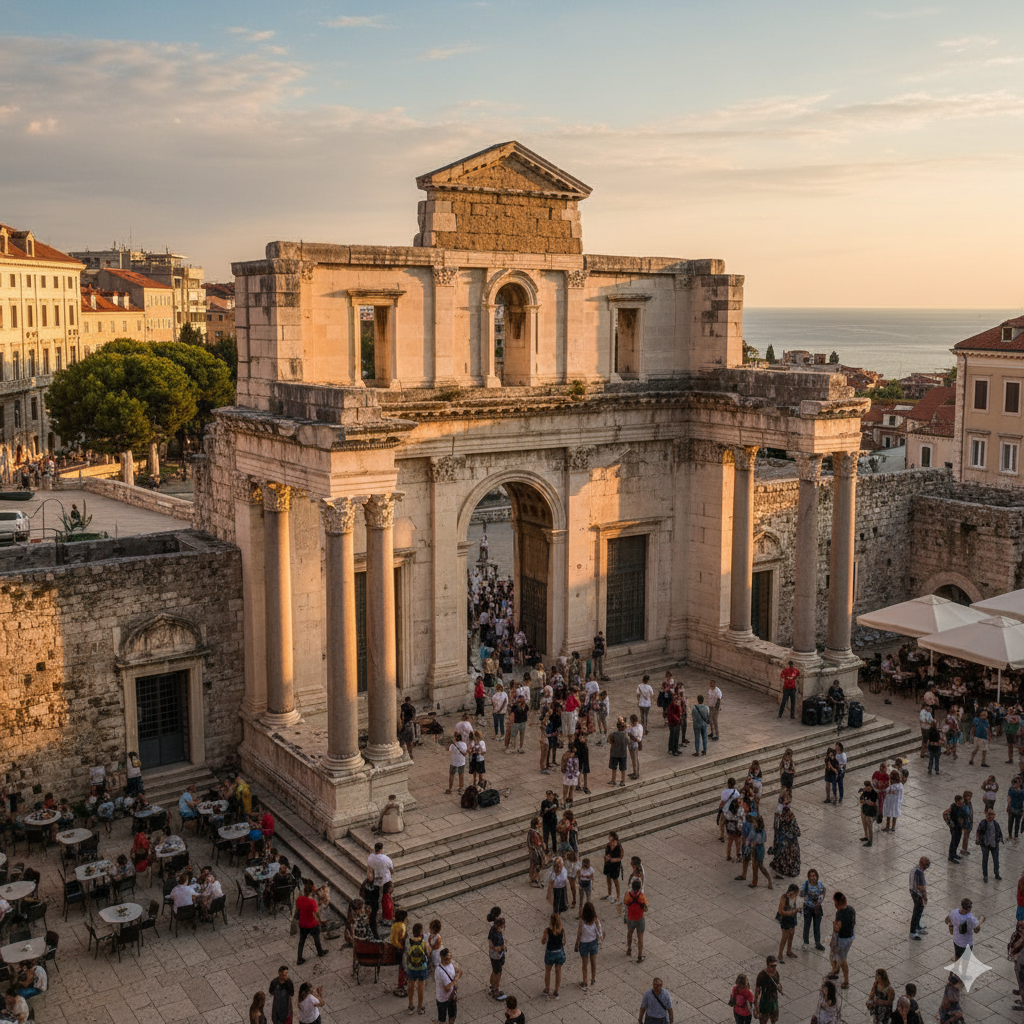
Diocletian’s Palace at golden hour
- Wandering Diocletian’s Palace at sunset when ancient stones glow golden and crowds thin out
- Chatting with an older local at the fish market who insisted on teaching me how to pick the best sardines
- Server at Villa Spiza who remembered my order after just two visits
- Exploring narrow medieval streets on my own schedule, ducking into hidden courtyards
- Stumbling upon impromptu street performances in palace cellars
- Ending days with local wine on Riva waterfront, watching ferries come and go
The city has this perfect balance of rich history and vibrant modern life that makes you feel both adventurous and entirely at ease as a solo traveler.
What You Can Do While in Split
Historical Exploration:
- Diocletian’s Palace (UNESCO site, free to wander)—massive Roman palace complex from 305 AD
- Palace Cellars—underground vaults, museum, Game of Thrones filming location
- Cathedral of St. Domnius—oldest Catholic cathedral, climb bell tower for views
- Peristyle Square—heart of palace, live music, perfect people-watching
Beach & Nature:
- Bačvice Beach—sandy city beach, popular for swimming and picigin (local ball game)
- Marjan Hill—forested park, hiking trails, viewpoints over city and islands
- Žnjan Beach—longer beach, less crowded, local favorite
Day Trips & Islands:
- Krka National Park—stunning waterfalls, swimming allowed
- Plitvice Lakes —Croatia’s most famous national park
- Hvar Island—lavender fields, beach clubs, nightlife
- Brač Island—Zlatni Rat beach, quieter than Hvar
- Vis Island—remote, authentic, Blue Cave tours
Local Experiences:
- Green Market (Pazar)—fresh produce, local specialties, morning bustle
- Riva promenade—evening paseo, cafés, street performers
- Konoba dining (traditional Croatian taverns)
Where can you crash while in Split?
Stay near the palace for convenience. Dvor is a great budget option, and you can meet other travelers for island-hopping adventures or evening walks along the Riva. Also, female dorms are available.
Alternatives:
Private apartments in Diocletian’s Palace are modern-style in the heart of the palace, often with hardwood floors, air conditioning. This gives you a unique experience living in an ancient monument.
Varoš neighborhood (west of the palace), located in the local area, has authentic restaurants, popular for their charming, authentic Mediterranean feel.
2026 Split, Croatia Daily Solo Budget (USD)
Split is a fascinating budget study. Within the walls of Diocletian’s Palace, you’ll pay “Old World” premiums, but just ten minutes away in the local residential neighborhoods, prices drop significantly. In 2026, Croatia has fully settled into the Euro, and while the “new currency” price hikes of previous years have leveled off, Split remains a seasonal city where your timing dictates your total spend.
| Category | 🎒 Budget Traveler | ✦ Mid-Range | ◈ Comfort Traveler |
| Daily Total | $75 – $95 | $135 – $185 | $270 – $400 |
| Accommodation | $30–45 (Hostel/Shared) | $85–125 (Heritage Guesthouse) | $180–280 (Luxury Boutique) |
| Meals | $20–30 (Pekaras/Markets) | $40–60 (Konobas/Bistros) | $75–115 (Seafood/Wine) |
| Transport | $5–8 (Walking/Local Bus) | $10–20 (Ferry/Uber) | $25–45 (Private Boat/Taxi) |
| Activities | $10–15 (Bell Tower/Beach) | $20–40 (Palace Tour/Museum) | $80–150 (Blue Cave/Islands) |
| Coffee/Wine/Gelato | $7–10 | $12–18 | $20–30 |
The “Split Second” Saving Strategy for 2026
- The “Pekara” Power Move: For the ultimate solo-friendly budget breakfast or lunch, look for a Pekara (bakery). A huge slice of burek or a fresh sandwich costs about $3.50–$5.00. Grab it and eat on the Riva (the promenade) for the best people-watching seat in the city.
- The Tap Water Win: Like most of Croatia, the tap water in Split is excellent. Don’t waste money on plastic bottles at tourist kiosks; fill up at the public fountains.
- The “Konoba” vs. “Restaurant”: Look for signs that say Konoba. These are traditional taverns that usually offer better value and more authentic local dishes like pasticada than the high-end restaurants aimed specifically at the cruise ship crowds.
- Book Your Ferry Early: In 2026, the Jadrolinija ferries for day trips to Hvar or Brač fill up fast. Booking your tickets online at least 48 hours in advance can save you a few Euros and a lot of stress at the harbor.
Strategic Timing for Value
- The Sweet Spot (May & September): The Adriatic is warm enough to swim in, all the ferries are running, but the “Ultra Europe” festival crowds aren’t driving accommodation prices into the thousands.
- The High Peak (July–August): This is the most expensive time. If you visit now, expect to pay 40-50% more for everything from your room to your cocktail on the Riva.
- The Quiet Season (November–March): Many island ferries stop running and the Palace gets quiet. It’s the best time for “slow travel,” but check that your preferred konoba isn’t closed for a winter break!
Split Pro Tips
Budget Solo Travellers:
- Use local buses for affordable day trips
- Eat at konobas (traditional taverns) for authentic meals
- Bakery breakfast (burek , cheap and filling)
- Shop at Konzum or Tommy supermarkets for picnic supplies
- Split Card (€20/72 hours)—free museums, discounts
Island-Hopping Strategy:
- Buy ferry tickets at port (Jadrolinija company)
- Go early for best deck spots
- Pack snacks and water (expensive on ferries)
- Consider overnight stays on islands vs day trips
- Vis and Hvar worth 1-2 nights each
Safety Notes:
- Split is very safe for solo female travelers. Global Peace Index ranks Croatia #19 with a score of 1.52
- Croatia is typically classified as Level 1: Exercise Normal Precautions, the lowest advisory level for U.S. travelers.
- Watch for tourist scams near waterfront (overpriced boat tours, restaurants)
- Be cautious of fake “authorized” guides in palace
- Riva is safe at night, well-lit and populated
- Keep valuables secure on crowded beaches
- In Split (and across Croatia), dial 112 for all emergencies, including police, medical services, and fire assistance. You can also use 192 for police, 194 for ambulances, and 193 for the fire brigade.
Solo Dining:
- Villa Spiza (tiny konoba, daily menu locals’ favorite
- Fife (generous portions
Sample island plans (with simple ferry notes):
2026 Solo Travel Comparison: Budget vs. Safety
| Rank | City | Daily Budget (USD)* | Safety Tier | The “Best For” Factor |
| 1 | Reykjavik | $225+ | Elite | Surreal nature & zero-stress safety. |
| 2 | Copenhagen | $210+ | Ultra | Design, biking, and “Hygge” vibes. |
| 3 | Paris | $190+ | High Vigilance | Bucket-list art & world-class cafés. |
| 4 | Vienna | $185+ | Ultra | Imperial elegance & classical music. |
| 5 | Florence | $175+ | High | Renaissance art & authentic pasta. |
| 6 | Split | $160+ | High | Ancient history meets Adriatic blue. |
| 7 | Seville | $155+ | High | Flamenco soul & sun-drenched tapas. |
| 8 | Ljubljana | $135+ | Ultra | Best-kept secret; intimate & green. |
| 9 | Lisbon | $130+ | High | Best Overall Value; tiled hills & fado. |
Estimated daily spend for a “Mid-Range” traveler (Private room, 2-3 meals out, 1 paid activity).
Strategy: How to Build Your 2026 Itinerary
If you’re planning a multi-city trip, use the “Value Sandwich” strategy to keep your bank account happy:
- Start High: Kick off in Reykjavik or Copenhagen while your energy and excitement are at their peak.
- The Mid-Section: Move into the culture-heavy hubs of Vienna, Paris, or Florence.
- Finish Strong (and Cheap): End your trip in Lisbon or Ljubljana. Not only are these cities more relaxing, but the lower costs allow you to splurge on a final fancy dinner or extra souvenirs without the “end-of-trip” budget guilt.
In 2026, every city on this list is a winner. Whether you’re choosing the ultra-secure streets of Slovenia or the high-energy neighborhoods of Spain, the most important safety tool you have isn’t an app—it’s your intuition. If a street feels too quiet, turn back. If a local invitation feels too good to be true, it probably is.
You’ve got the data, you’ve got the hacks, and now you’ve got the budget. The only thing left to do is book the flight.
The Solo Traveler’s “First-Timer” Toolkit
Before you zip your suitcase, ensure your digital and physical “safety net” is active. Here is exactly what I’m using in 2026 to stay secure and connected across Europe.
1. Connectivity: The Best Europe eSIMs
Skip the airport SIM kiosks. In 2026, Jetpac is the gold standard for multi-country European trips—it covers 43 countries on one plan, so your data never cuts out at a border.
- Budget Pick: Airalo (best for small 1GB-5GB “emergency” packs).
- Power User: Holafly (if you need unlimited data for uploading your photography).
- Privacy Pick: Saily (created by the NordVPN team, it comes with built-in security features to protect your data on public Wi-Fi).
2. Safety Apps: Your Digital Guardians
- For Location Sharing: Life360. I keep this active so my “hubby” can see my live location without me having to text every hour.
- For Emergencies: EchoSOS. This is a lifesaver—it automatically detects which country you are in and connects you to the correct local emergency services (112 in most of Europe) with one tap.
- For Walking Alone: Noonlight. If you feel uneasy walking home in Paris or Lisbon, you hold a button in the app. If you let go without entering your PIN, it automatically dispatches help to your GPS coordinates.
- For Community: NomadHer. A women-only app where you can find “travel buddies” for a specific dinner or city walk if you’re feeling the solo blues.
3. Physical Safety Tech
- AirTags: I hide one in my checked luggage and one in my day bag. If a bag disappears in a train station, I know exactly where it is before the staff does.
- Door Stop Alarm: A $15 gadget that wedges under your hotel or hostel door. If anyone tries to open it, a 120dB alarm sounds. It’s the best sleep aid a solo woman can buy.
- Portable Power Bank: Your phone is your lifeline. Never let it drop below 20%. I use an Anker MagSafe pack that sticks to the back of my phone so I can charge while navigating on Google Maps.
Trust Your Gut Over Your GPS
No app is as powerful as your intuition. If a street in Seville feels too quiet, or a “friendly” stranger in Rome feels too persistent, listen to that internal alarm.
You have the data, you have the budget, and you have the tools. Now, all that’s left is to take that first step. The world is waiting for you.
Why Solo Female Travel in Europe Will Transform You
After years of exploring Europe independently, I can confidently say that solo female travel offers opportunities for personal growth, cultural immersion, and adventure that simply can’t be replicated in group travel settings.
What You’ll Gain:
Independence: You’ll discover you’re capable of navigating foreign cities, solving problems, and thriving alone.
Flexibility: Change plans on a whim. Stay an extra day in Ljubljana because you fell in love with it. Leave Barcelona early because it’s not your vibe. Your schedule, your choice.
Self-Discovery: Without the buffer of travel companions, you’ll learn who you are, what you enjoy, what you’re capable of.
Confidence: Successfully navigating solo travel builds confidence that carries into all life areas.
Meaningful Connections: Ironically, traveling alone makes you more approachable and open to meeting people—both locals and fellow travelers.
Cultural Immersion: Without the comfort of companions speaking your language, you’ll engage more deeply with local culture.
Life Skills: Problem-solving, budgeting, navigation, communication across language barriers, and reading social situations.
Ready to Start Planning?
- Choose your destination based on your interests (art, nature, food, history)
- Book accommodation in safe, social areas
- Research free walking tours and essential attractions
- Learn 10 basic phrases in the local language
- Share your itinerary with trusted contacts
- Purchase travel insurance
- Pack light, bring confidence
Trust your instincts, embrace the unknown, and remember: the best adventures happen when you’re brave enough to explore the world on your own terms.
Your European solo adventure is waiting. All you have to do is take that first step.
Safe travels, fellow wanderer. The world is yours to explore.
Also read: The 5 Safest Asian Countries for Solo Female Travel Beginners