
Sierra Leone is part of my West Africa Solo Female Travel Guide series (Ghana). Before visiting Ghana, I had toured two amazing East African countries, Kenya and Tanzania, and two incredible South African countries, Botswana and Namibia.
Thinking about visiting Sierra Leone?
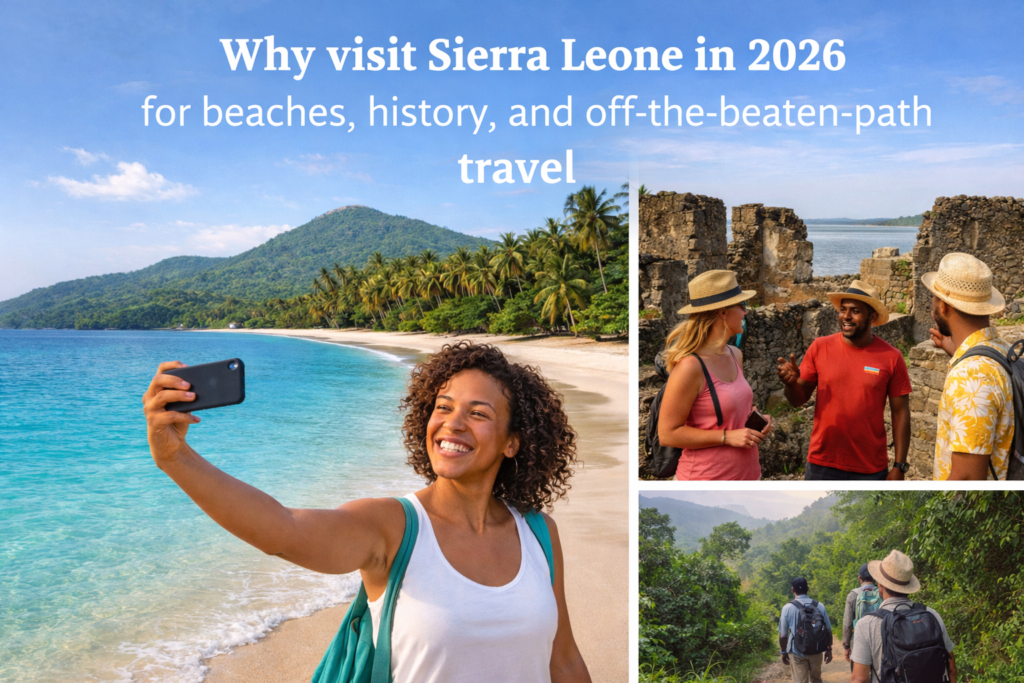
If pristine beaches with no crowds, powerful history, and raw, authentic travel experiences appeal to you, Sierra Leone may surprise you. In the best way possible.
Often overlooked in West Africa, Sierra Leone is home to the region’s most beautiful beaches, deep history tied to freed slaves in 1787, and the transatlantic slave trade. Also, a painful recent past civil war (ended 2002), and extraordinary resilience. The country has some of the warmest people you’ll ever meet. It’s not polished. It’s not easy. But it is unforgettable.
Sierra Leone at a Glance (Visa, Budget, Best Time to Visit)
I spent one week traveling solo through Freetown, Tokeh Beach, and River Number 2—experiencing both the challenges and the rewards of visiting a country still rebuilding after civil war and Ebola. This guide shares exactly what to expect in 2026: safety realities, costs, transport, where to stay, and whether Sierra Leone is right for you.
Best for: Beach lovers, off-the-beaten-path adventurers, history buffs, chimpanzee trekking, diaspora travelers, travelers seeking authentic West Africa without crowds.
Best Time to Visit:
- November-April: Dry season, best beach weather (25-32°C/77-90°F)
- May-October: Rainy season, lush landscapes, fewer tourists, some roads impassable
Visa: Visa on arrival available at Freetown International Airport for most nationalities, or apply for e-visa online in advance
Currency: Sierra Leonean Leone (SLL)
Quick Facts:
- Population: 8.4 million
- Capital: Freetown
- Language: English (official), Krio (widely spoken—English-based creole)
- Time Zone: GMT (UTC+0)
Solo Travel in Sierra Leone: What to expect
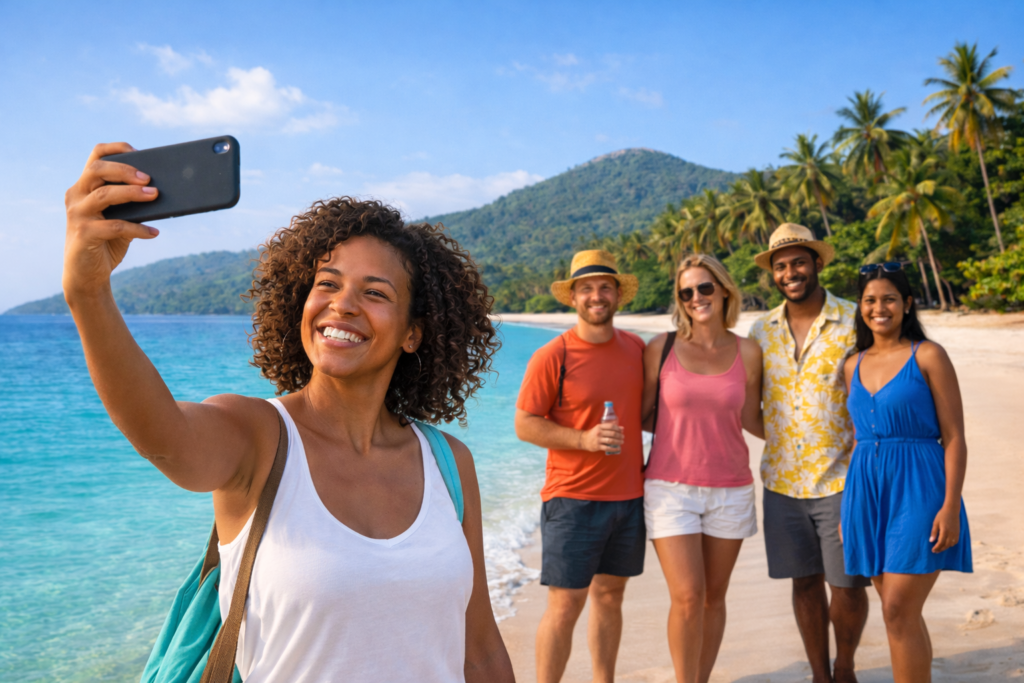
As a solo female traveler, Sierra Leone requires more awareness than Ghana. It’s less developed, tourism infrastructure is basic, and you’ll stand out significantly. But the rewards are extraordinary: beaches with no crowds, genuine local interactions, and the satisfaction of visiting somewhere few travelers venture.
Why Visit Sierra Leone in 2026?
- Some of West Africa’s most beautiful beaches (River Number 2, Tokeh, John Obey)
- Incredibly friendly people (Sierra Leoneans are famously welcoming)
- Rich history (Bunce Island slave fort, Cotton Tree, history of freed slaves)
- Chimpanzee trekking (Tacugama Chimpanzee Sanctuary)
- Very affordable (cheaper than Ghana)
- English-speaking (huge advantage)
- Off-the-beaten-path (few tourists—authentic experiences)
Important context: Sierra Leone is recovering from civil war (1991-2002) and Ebola outbreak (2014-2016). The country is safe now, but infrastructure is still developing. Approach with patience, flexibility, and cultural sensitivity.
My Sierra Leone Journey: 1 Week
I spent one week in Sierra Leone, focusing on Freetown and nearby beaches. After Ghana’s relative ease, Sierra Leone felt rawer and more challenging—but deeply rewarding.
My Route: Freetown (3 days) → Tokeh Beach (2 days) → River Number 2 Beach (2 days)
Freetown: The Historical Capital
Best for: History buffs, markets, slave trade heritage, Cotton Tree landmark, beaches nearby, and street food.
Population: ~1.2 million
Vibe: Chaotic, energetic, crowded—traffic jams, street vendors everywhere, music blasting, overwhelming but vibrant.
Safe Hotels for female travelers: Bintumani Hotel (mid-range, central location, safe for solo travelers). Budget alternatives include Home Suites Hotel or guesthouses in Aberdeen.
Solo Female Safety Note: Freetown requires more caution than Accra. Stay in reputable accommodations, avoid walking alone after dark, use registered taxis, and be aware of your surroundings. During daylight hours in busy areas, I felt safe and comfortable exploring.
Day 1—Freetown’s History
Reaching Freetown from Lungi International Airport requires a ferry or helicopter transfer across the water. The ferry and “sea coach” (fast boat) both operate during daylight hours and are safe options for travelers.
Once in Freetown, I immediately felt the difference from Ghana—rougher roads, more intense traffic, less organization, but equally warm people. Everyone greeted me with “Hello, white person!” (not offensive here—friendly acknowledgment).
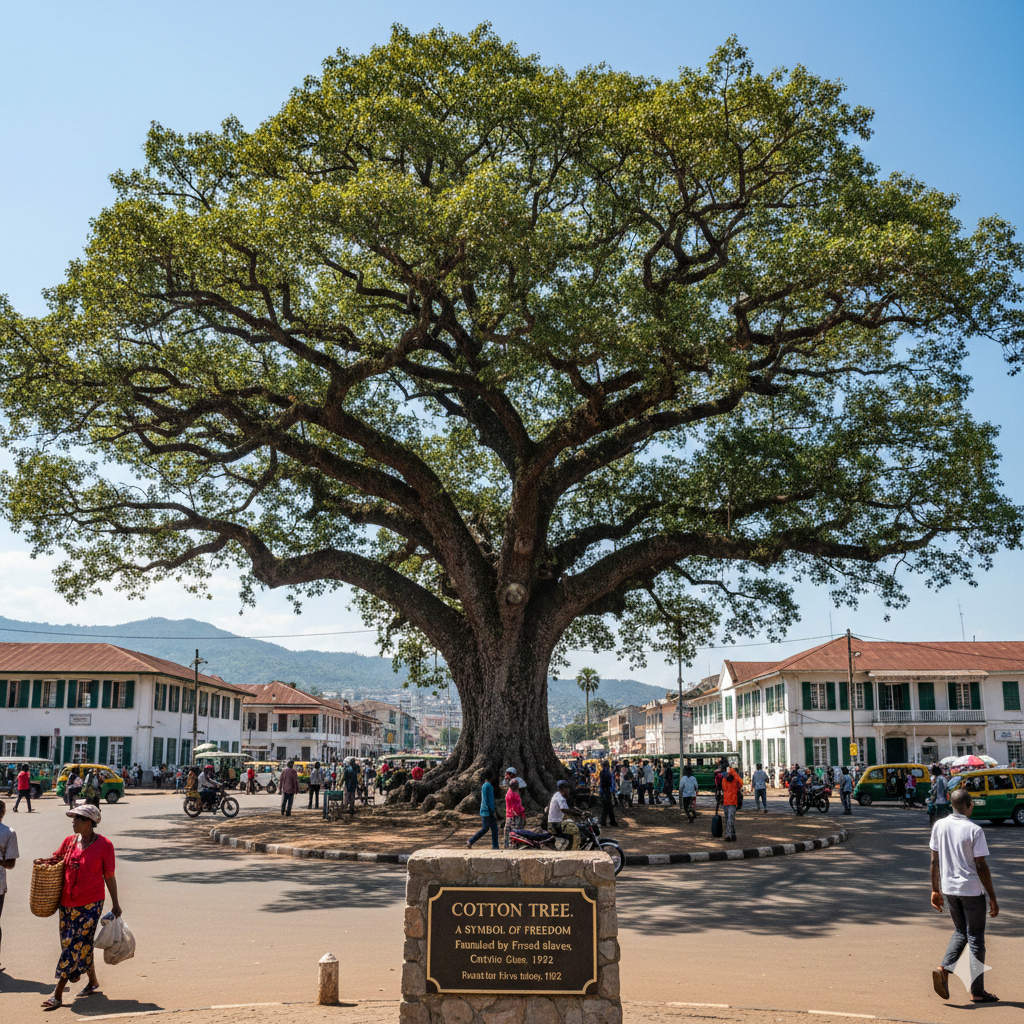
Cotton Tree: Freetown’s iconic landmark—a massive, centuries-old cotton tree in the center of the city where freed slaves are said to have gathered in 1792 to give thanks. It’s a powerful symbol of Sierra Leone’s unique history as a haven for formerly enslaved people.
Sierra Leone National Museum: Small but informative, covering the country’s history from slave trade to civil war to present-day recovery. The exhibits on the civil war are sobering—child soldiers, amputations, trauma. Important context for understanding modern Sierra Leone.
King Jimmy Market: Freetown’s chaotic main market—similar to Makola in Ghana but smaller and more intense. Buying colorful fabrics (country cloth), gara tie-dye, and trying street food (cassava leaf stew with rice—delicious and spicy) filled my afternoon. Expect to Bargain here and know it’s often aggressive.
Solo Female Experience: I got lots of attention—vendors calling out, people staring, children following. It was friendly but intense. Hiring a local guide through my hotel helped navigate and added safety.
Day 2—Bunce Island
Bunce Island is a former slave castle on an island in the Sierra Leone River, about 30 km from Freetown. Less famous than Ghana’s Cape Coast Castle but equally significant—this is where many enslaved people from Sierra Leone were shipped to the Americas (particularly South Carolina and Georgia—the Gullah people descend from Sierra Leoneans).
Joining a tour organized by the Bunce Island Coalition, I took a boat ride that lasted 1.5 hours through mangroves—scenic and peaceful. The organization works to preserve this important historical site.
Ruins at the site are less preserved than Ghana’s castles—crumbling stone walls, overgrown vegetation, no restoration. But that rawness makes it more haunting. Our guide explained the history: British slave traders, holding cells, and the horrific Middle Passage.
Standing in the ruins of Bunce Island, looking out at the river where ships departed with enslaved Sierra Leoneans, I felt the weight of history—and the importance of remembering what happened here.
Emotional Impact: Similar to Cape Coast Castle, it’s painful, necessary, and transformative. Many African-Americans visit on heritage trips. Give yourself time to process afterward.
Day 3—Aberdeen Beach & Nightlife
Aberdeen Beach: Freetown’s main beach area—not the most beautiful (better beaches outside the city), but lively with beach bars, seafood restaurants, and locals playing football.
Spending the afternoon eating fresh grilled barracuda with cassava and watching the sunset became a highlight. In the evening, visiting Paddy’s Beach Bar (popular with expats and locals—live music, safe atmosphere) provided a good introduction to Freetown’s social scene for solo travelers.
Safety Note: Aberdeen is relatively safe during the day. At night, stick to well-lit areas with people around. Taking a registered taxi back to my hotel was easy and affordable.
Freetown Quick Hits:
Must-Do:
- Cotton Tree (iconic landmark, quick stop)
- Bunce Island slave fort (essential history, book ahead)
- Sierra Leone National Museum (context on civil war and recovery)
- King Jimmy Market (street food, fabrics, chaotic energy)
- Aberdeen Beach (sunset, seafood, beach bars)
Where to Eat:
- Crown Bakery (breakfast, pastries, coffee)
- Golden Tulip Hotel Restaurant (mid-range, safe, international food)
- Street food stalls (cassava leaf stew, jollof rice, fried plantains)
Pro Tips:
- Change money at forex bureaus (better rates than airport/hotels)
- Use registered taxis (negotiate fare before entering)
- Bring small bills (vendors rarely have change for large notes)
- Freetown traffic is terrible (allow extra time for everything)
- Stay hydrated (hot and humid year-round)
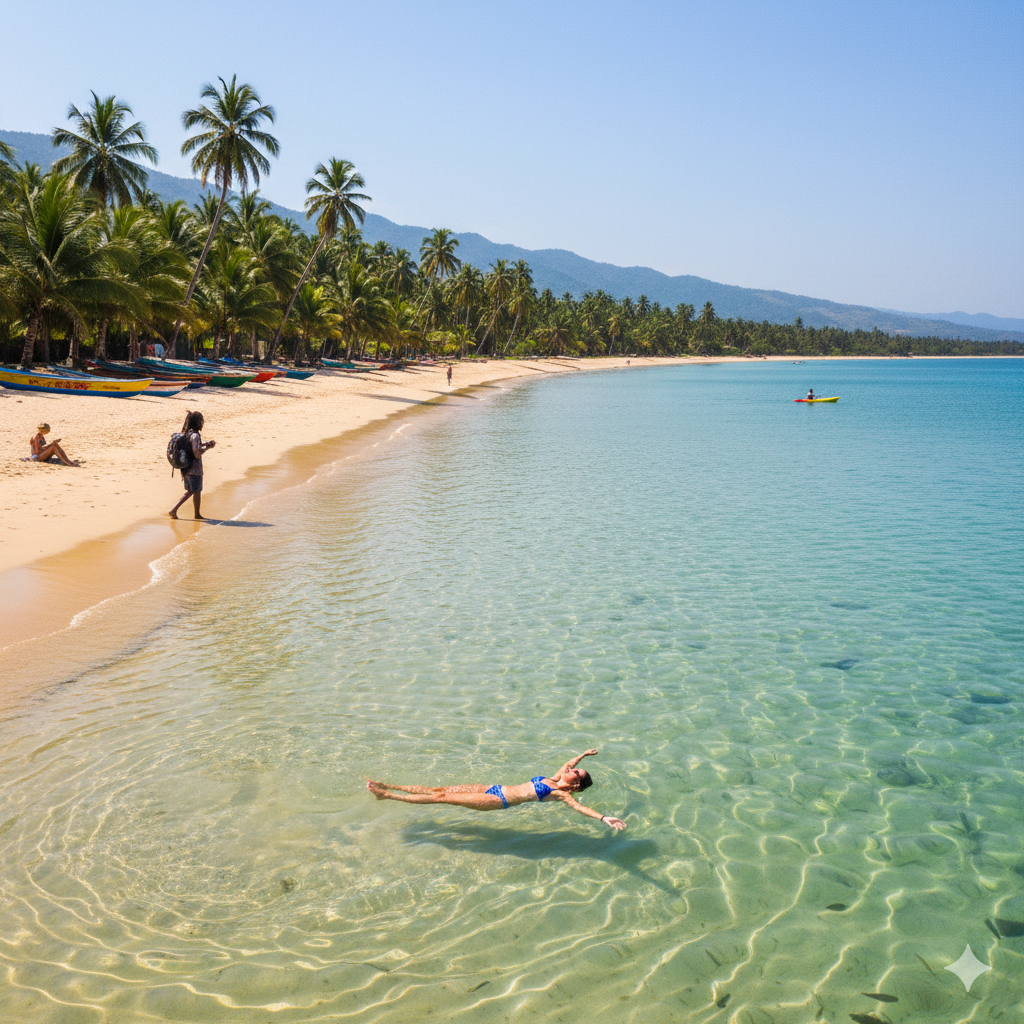
Tokeh Beach: Turquoise Paradise
Best for: Beach relaxation, surfing, snorkeling, escaping Freetown chaos, budget beach resorts
Distance from Freetown: 40 km (25 miles), 1.5 hours by taxi (rough roads)
Tokeh Beach is stunning—white sand, turquoise water, palm trees, jungle-covered hills. It’s what people imagine when they think “tropical paradise,” but without the crowds or development.
Where I Stayed: Tokeh Sands Beach Resort (basic beach bungalows, restaurant).
Shared taxis from Freetown take 1.5 hours on bumpy roads, while private taxis are faster but more expensive. The journey itself offers glimpses of rural Sierra Leone life.
What I Did:
- Swimming in warm, clear water (safe, no strong currents)
- Reading in a hammock (pure bliss after Freetown’s chaos)
- Eating fresh lobster with rice (ridiculously cheap and delicious)
- Watching fishermen bring in their catch at sunrise
- Snorkeling (basic, but colorful fish and clear water)
Solo Female Experience: Tokeh felt very safe. Beach resorts cater to tourists (mostly expats from Freetown on weekends), and locals are used to foreigners. Walking the beach alone during the day presented no issues. At night, staying at the resort felt secure and comfortable.
Tokeh Beach Quick Hits:
Must-Do:
- Swimming and beach relaxation (the whole point!)
- Fresh seafood (lobster, barracuda, red snapper—incredibly affordable)
- Sunrise/sunset walks
- Snorkeling (bring your own gear or rent at resorts)
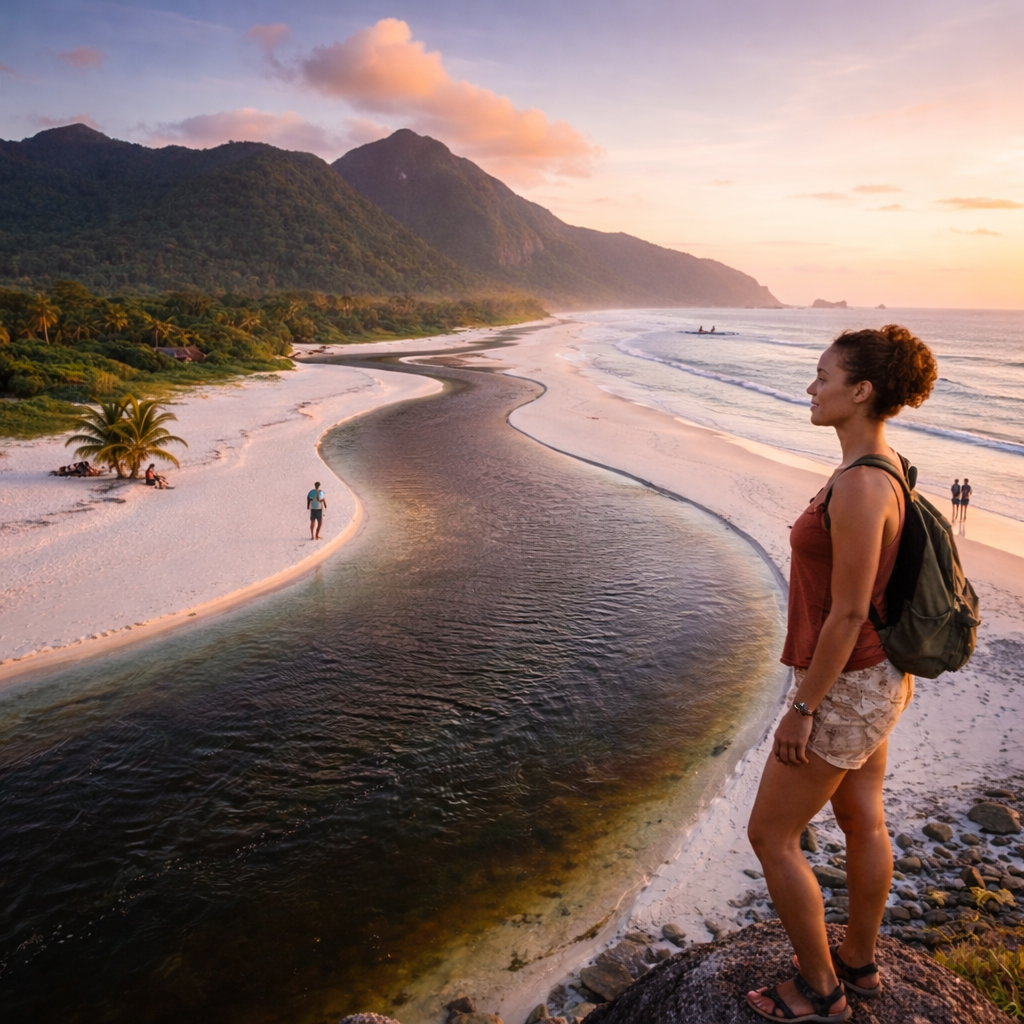
River Number 2 Beach: Jungle Meets Ocean
Best for: Swimming, natural pools, jungle trekking, pristine beaches, getting off-grid
Distance from Freetown: 35 km (22 miles), 1.5 hours
River Number 2 Beach is named for the river that flows through jungle to the ocean, creating a freshwater swimming area before meeting the sea. Less developed than Tokeh, it offers more rustic charm and adventurous vibes.
My Accommodation: River Number 2 Beach Resort (basic bungalows, communal meals). Very simple but charming and safe for solo travelers.
What I Did:
- Swimming in the river (freshwater, cool and refreshing)
- Walking upriver through jungle (local guide recommended for safety and wildlife spotting)
- Beach time (less crowded than Tokeh, more remote feeling)
- Eating communal meals with other travelers (mostly expats and NGO workers)
Why I Loved It: River Number 2 felt like a true escape—no wifi, no traffic, just jungle, beach, and river. Perfect for digital detox and solo reflection.
River Number 2 Quick Hits:
Must-Do:
- Swim in the river (unique freshwater/saltwater experience)
- Jungle walk upriver (bring insect repellent!)
- Beach solitude (you might have stretches to yourself)
Sierra Leone Complete Budget Breakdown (1 Week)
| Category | Budget Range | Details |
|---|---|---|
| Visa on arrival | $80-100 | One-time cost at Freetown airport |
| Airport transfer | $20-40 | Sea coach ($20) or ferry ($40) from Lungi to Freetown |
| Accommodation (7 nights) | $210-350 | Mix of mid-range hotel in Freetown and beach bungalows |
| Food | $70-140 | Street food to restaurants, avg $10-20/day |
| Freetown activities | $50-60 | Bunce Island tour, museum entries, local guide |
| Beach transport | $15-40 | Shared or private taxis to Tokeh and River Number 2 |
| Local transport | $30-50 | Taxis around Freetown, beach transfers |
| Jungle guide | $5-10 | River Number 2 jungle trek |
| Miscellaneous | $30-50 | SIM card, tips, snacks, unexpected expenses |
| TOTAL | $510-840 | Complete 1-week trip |
Budget by Traveler Type
Budget Traveler: $500-650
- Shared taxis everywhere
- Budget beach resorts and basic guesthouses
- Mostly street food with occasional restaurant meals
- Skip expensive tours, use local guides
Mid-Range Traveler: $700-900
- Mix of shared and private taxis
- Comfortable beach resorts and good Freetown hotels
- Balance of street food and restaurants
- Include all major tours and activities
Comfort Traveler: $1,000+
- Private taxis and drivers
- Best available beach resorts and hotels
- All meals at restaurants
- Private guides and premium tours
Money-Saving Tips
- Take shared taxis instead of private (save 80%)
- Eat street food for lunch, restaurants for dinner (save $10-15/day)
- Book beach accommodation directly (avoid booking sites’ markup)
- Bring USD cash and exchange at forex bureaus (better rates than airport)
- Visit during dry season shoulder months (November, April) for lower prices
- Share taxi costs with other travelers when possible
Splurge-Worthy
- Bunce Island tour (essential history, worth the cost)
- Fresh lobster at Tokeh Beach (affordable luxury at around $4-5)
- Private guide for Freetown day tour (safety and deeper insights)
Note: Sierra Leone is very affordable—comparable to Ghana or slightly cheaper. The main expenses are the visa on arrival and initial airport transfer.
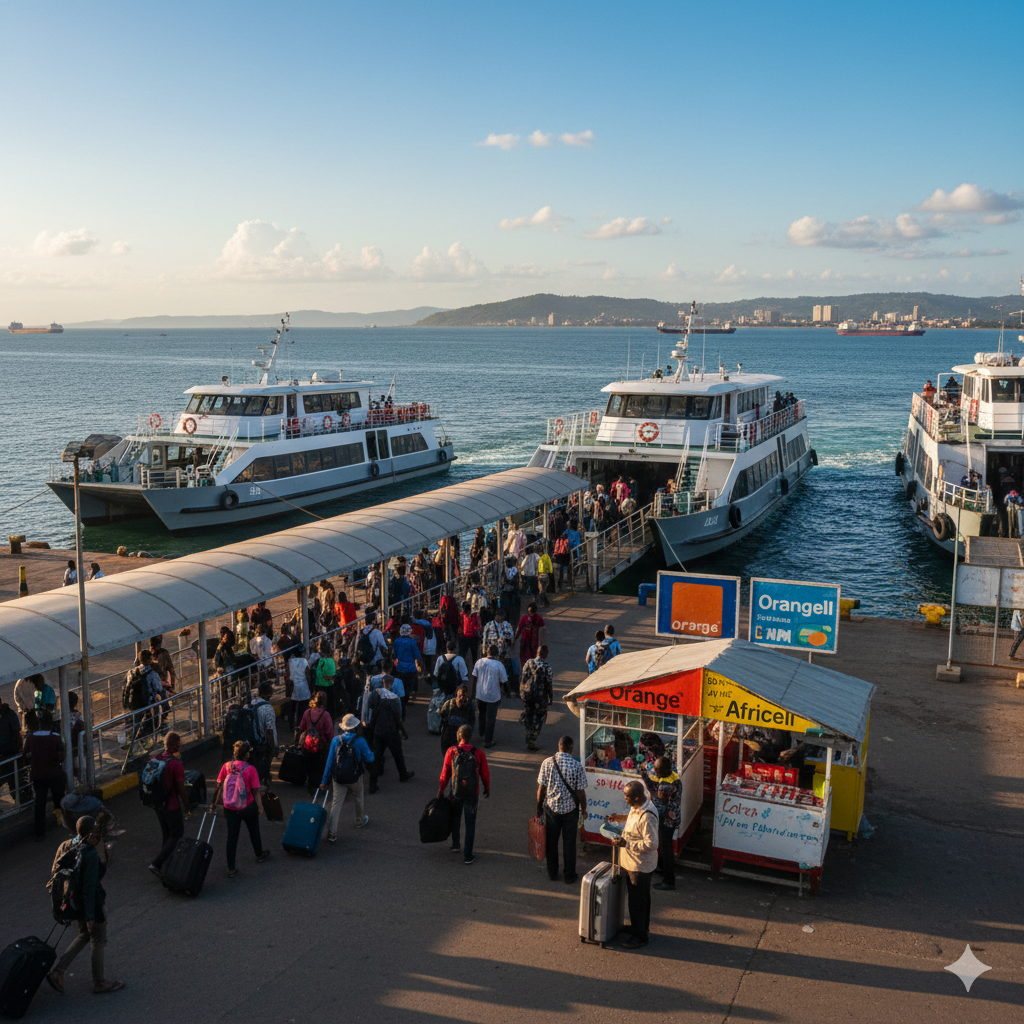
Sierra Leone Quick Safety & Practical Tips
Safety for Solo Female Travelers
Overall Assessment: Sierra Leone is safe but requires more caution than Ghana.
What I Experienced:
- Freetown can feel intense (traffic, crowds, attention from locals)
- Beach areas felt very safe and relaxed
- No harassment occurred, but attention from curious locals was constant
- Less common to see solo foreign women, so you’ll stand out
Safety Tips:
- Use registered taxis (negotiate fare beforehand)
- Avoid walking alone after dark in Freetown
- Stay in reputable accommodations with good reviews
- Beach areas are safer than the city
- Trust your instincts—if uncomfortable, leave
- Dress modestly in Freetown (cover shoulders/knees)
- Beach attire fine at beaches
Emergency Numbers:
- Police: 019
- Ambulance: 999
Health
Vaccinations: Same as Ghana (yellow fever MANDATORY, hepatitis A/B, typhoid, tetanus, rabies optional)
Malaria: High risk year-round—take antimalarials seriously
Water: NOT safe to drink—bottled water only
Food: Street food generally safe if cooked fresh (eat where locals eat)
Medical Facilities: Limited. Freetown has basic hospitals. Bring comprehensive first aid kit.
Money
Currency: Sierra Leonean Leone (SLL)—deals in thousands (approximately 20,000-22,000 SLL = 1 USD)
ATMs: Available in Freetown (EcoBank, Sierra Leone Commercial Bank). They often run out of cash, so withdraw when you can.
Cash is essential: Most places don’t accept cards. Bring USD cash and exchange at forex bureaus for better rates than airport exchanges.
Tipping: Add 10% in restaurants if service is good, round up taxi fares to the nearest convenient amount
Transport
Airport Transfer: Ferry or sea coach from Lungi Airport to Freetown (ferry is slower but scenic, sea coach is faster)
In Freetown: Taxis (negotiate fares beforehand), poda-podas (shared minivans, very cheap but crowded)
To Beaches: Shared taxi (cheap but slower) or private taxi (more expensive but faster and direct)
Communication
Language: English official, Krio widely spoken (English-based creole, easy to understand basic phrases)
SIM Card: Africell or Orange SL available at airport or shops in Freetown
Useful Krio Phrases:
- Kusheh (koo-SHEH) = Hello
- Tenki (TEN-kee) = Thank you
- Wi de go (wee-deh-GO) = We’re going / Let’s go
Cultural Etiquette
- Greet people before asking questions
- Dress modestly in cities
- Ask before photographing people
- Use right hand for eating/greeting
- Be patient—things move slower than Ghana
- Respect elders
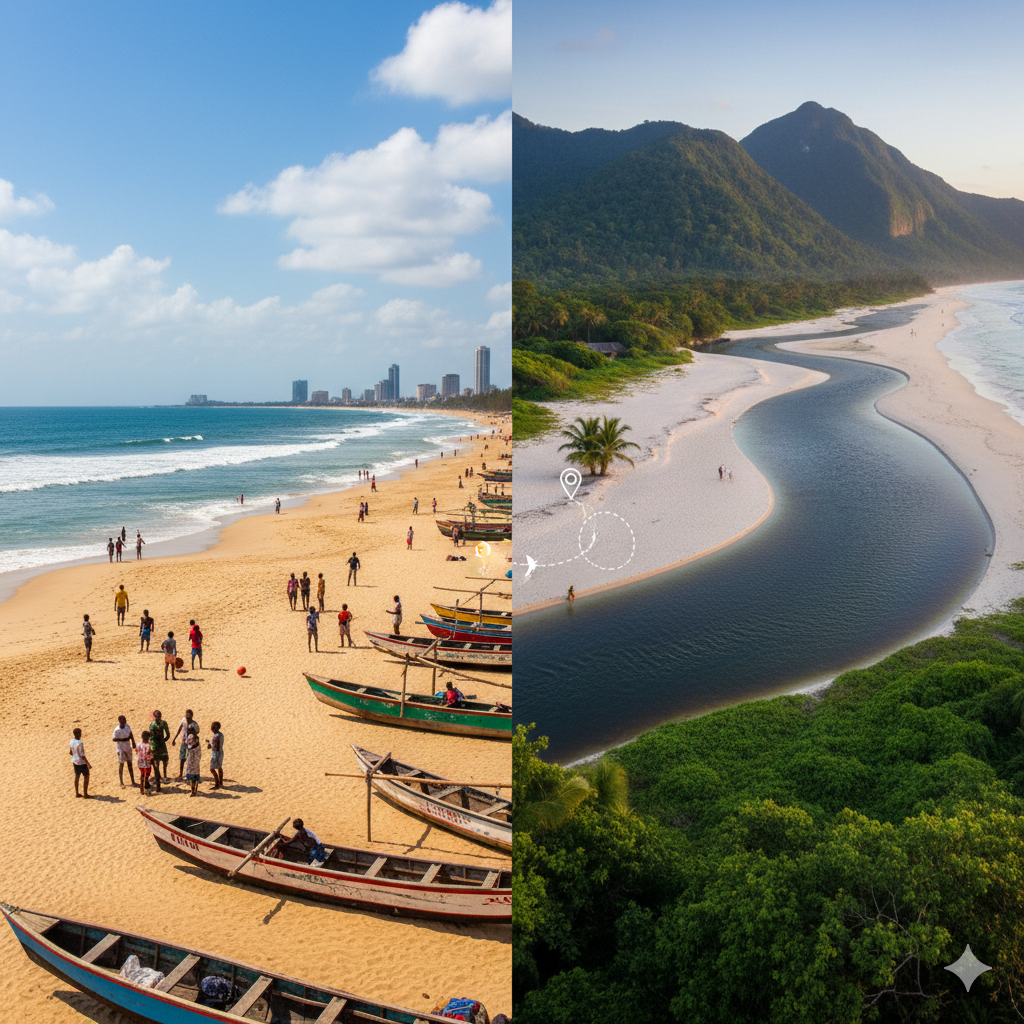
Combining Ghana & Sierra Leone
Ideal Duration: 3 weeks total (2 weeks Ghana + 1 week Sierra Leone)
Sample Combined Itinerary:
Week 1: Ghana – Accra & Cape Coast
- Days 1-4: Accra (Kokrobite Beach, markets, museums, nightlife)
- Days 5-7: Cape Coast (slave castles, Kakum canopy walk)
Week 2: Ghana – Kumasi & Beaches
- Days 8-9: Kumasi (Ashanti culture, kente weaving, markets)
- Days 10-14: Busua and Kokrobite beaches
Week 3: Sierra Leone
- Days 15-17: Freetown (Bunce Island, Cotton Tree, markets)
- Days 18-21: Beaches (Tokeh and River Number 2)
How to Travel Between:
- Fly: Accra (Ghana) → Freetown (Sierra Leone) via Ethiopian Airlines or ASKY (connecting flight, total journey 3-4 hours)
- Overland: Possible but challenging (borders require multiple vehicles, slow, 2-3 days)—not recommended for solo travelers due to logistics and safety concerns
Visa Note: Apply for Sierra Leone e-visa in advance online (easier than paying cash on arrival at the airport)
Is Sierra Leone Worth Adding to Your West Africa Trip?
Add Sierra Leone if you:
Love beaches and want some of West Africa’s best
Seek off-the-beaten-path adventures
Have extra time (minimum 1 week, ideally 10 days)
Are comfortable with basic infrastructure
Want to see a country few travelers visit
Skip Sierra Leone if you:
Have limited time (focus on Ghana)
Prefer well-developed tourist infrastructure
Want easy, stress-free travel
Are on a very tight budget (flights from Ghana add cost)
Are a first-time Africa traveler (start with Ghana)
My Sierra Leone Travel Lessons
Sierra Leone surprised me. After Ghana’s relative ease, I expected frustration. Instead, I found beauty, warmth, and resilience.
The beaches are genuinely spectacular—some of the best I’ve seen in Africa. Freetown is chaotic but fascinating. The history is painful but important. The people are among the friendliest I’ve met anywhere.
Sierra Leone taught me that the best travel experiences often come from places that challenge you—not in scary ways, but in ways that push you to be patient, flexible, and open.
Is it harder than Ghana? Yes. Is it worth it? Absolutely.
If you have the time and the adventurous spirit, add Sierra Leone to your West Africa journey. You’ll have beaches almost to yourself, genuine local interactions, and stories few travelers can tell.
The beaches alone are worth the trip.
FAQ
Is Sierra Leone safe for solo female travelers?
Yes, Sierra Leone is generally safe for solo female travelers, especially in beach areas like Tokeh and River Number 2. Freetown requires more caution due to traffic, crowds, and limited infrastructure, but with registered taxis, reputable accommodation, and common-sense precautions, solo travel is manageable.
Do I need a visa to visit Sierra Leone?
Most nationalities can obtain a visa on arrival at Freetown International Airport or apply for a Sierra Leone e-visa online in advance
What is the best time to visit Sierra Leone?
The best time to visit Sierra Leone is during the dry season from November to April, when beach weather is ideal and roads are more accessible.
Is Sierra Leone good for first-time Africa travelers?
Sierra Leone is better suited for experienced travelers. First-time visitors to Africa may find Ghana or Kenya easier due to stronger tourism infrastructure and transport systems.
Have you been to Sierra Leone? Share your experiences in the comments! Planning a trip? Ask your questions below—I’m happy to help with itinerary planning for West Africa.