The first time I sat alone at a Parisian café, nervously clutching my café crème and watching the world flow past, I thought everyone was staring at me. They weren’t. Within minutes, the waiter brought me a small plate of madeleines I hadn’t ordered—”pour vous, mademoiselle”—and suddenly, I wasn’t alone anymore. I was simply a woman enjoying Paris, exactly as thousands of women have done for centuries.
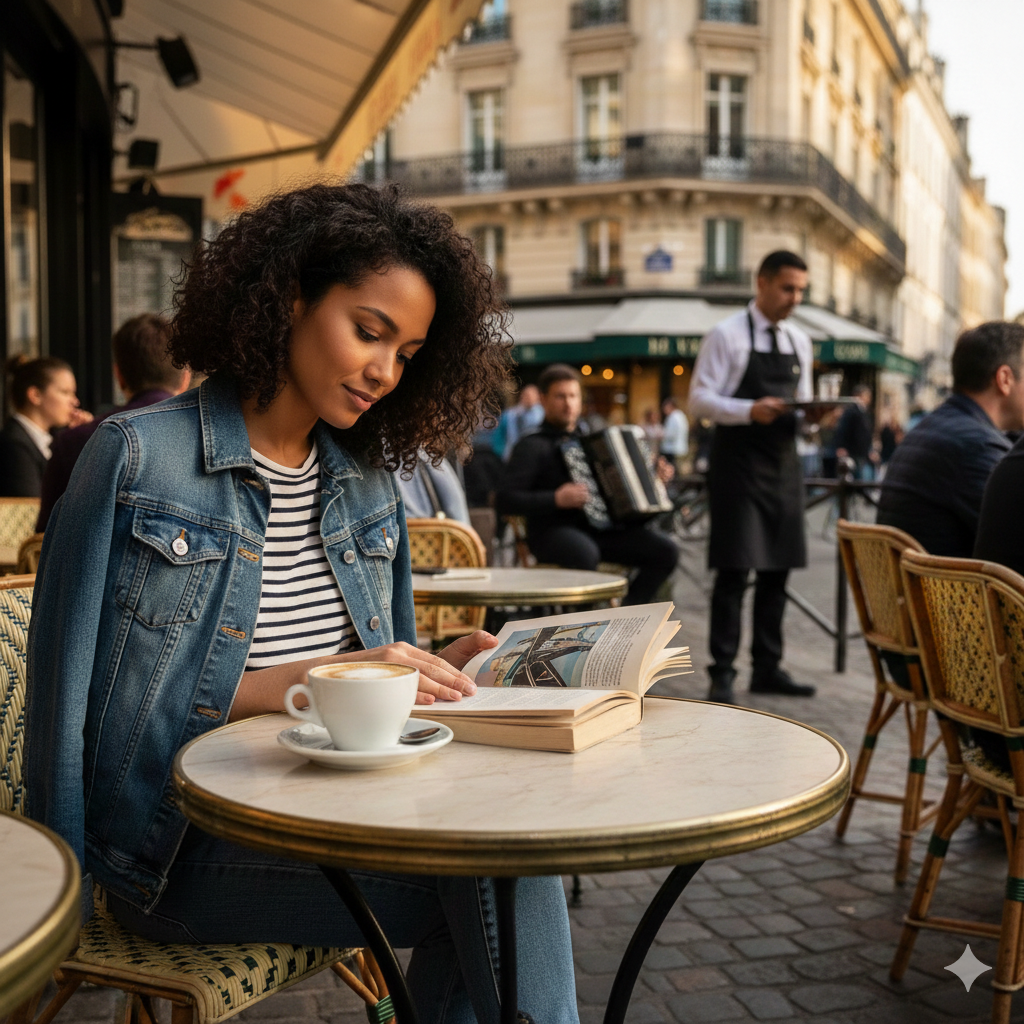
Enjoying a café crème at a traditional Parisian sidewalk café terrace.
That moment changed everything about how I see solo travel in France. This is a country that celebrates independent women travelers. From Simone de Beauvoir writing in Saint-Germain cafés to George Sand smoking cigars in the countryside, France has a long tradition of embracing women who dare to explore alone.
Since that first nervous café visit in 2021, I’ve explored 12 French regions independently, stayed in 14 different accommodations, navigated solo through Paris Metro strikes, hitchhiked in Provence (don’t worry, I’ll explain the safe way), and discovered that France is perhaps the world’s most rewarding destination for solo female travelers.
France is one of the 9 safest European destinations for first-time solo female travelers, and it deserves its own deep dive
This comprehensive guide shares everything I’ve learned from three years of solo adventures across France—from the glittering capital to hidden villages, from Mediterranean beaches to Alpine peaks.
Why France Is Perfect for Solo Female Travelers
France combines everything a solo female traveler could want: world-class culture, exceptional safety, incredible food, efficient public transport, and a social culture that makes dining and traveling alone completely normal.
France by the Numbers (2026)
- Safety ranking: 23rd safest country globally (safer than the US)
- Solo female-friendly score: 8.7/10 based on traveler surveys
- English proficiency: Moderate to high in tourist areas, improving rapidly among younger generations
- Public transport quality: Rated #1 in Europe for rail connectivity
- Tourism infrastructure: 89 million visitors annually (world’s most-visited country)
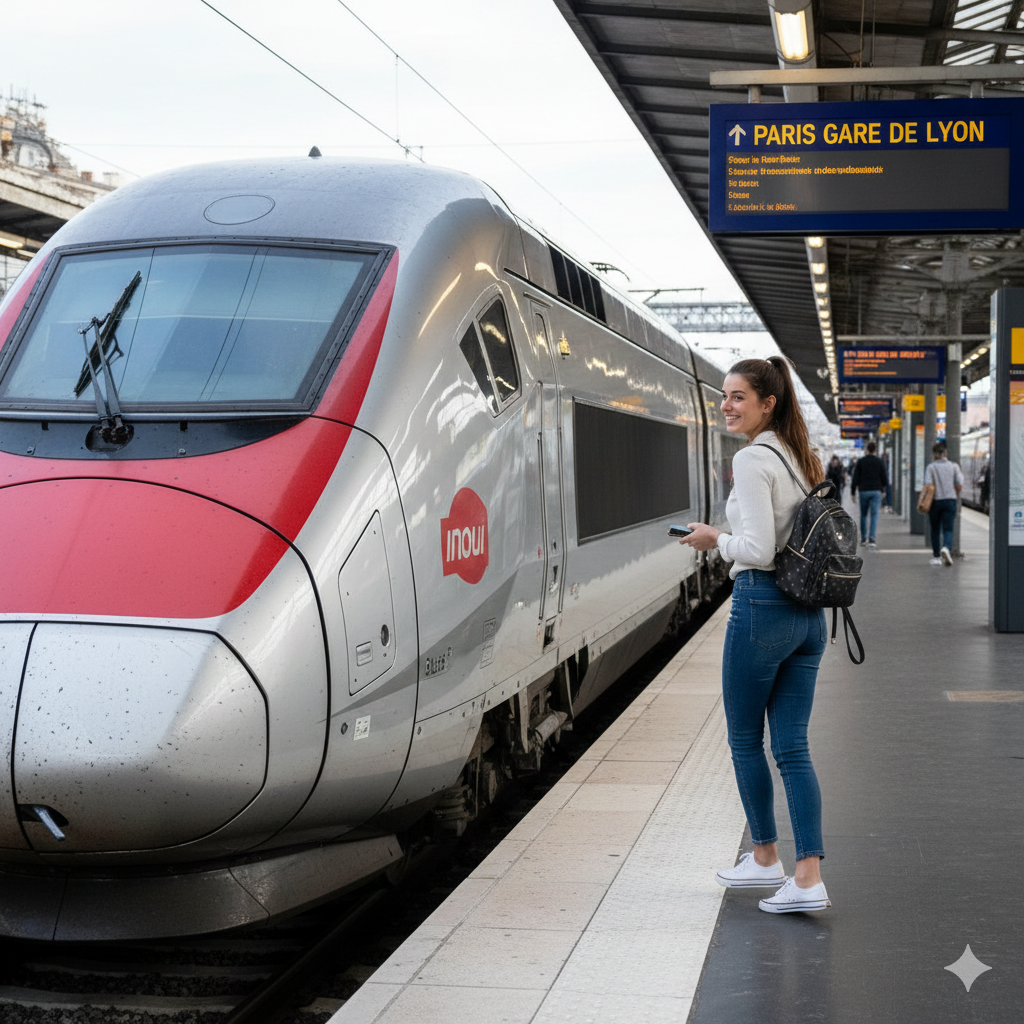
High-speed TGV train at a French railway station.
What Makes France Special
Café Culture Embraces Solo Diners: Unlike many countries where eating alone feels awkward, French café culture actively encourages it. Bringing a book or journal to a café is considered sophisticated, not sad. I’ve spent countless mornings watching Paris wake up from a café terrace, and not once has anyone looked at me strangely.
Exceptional Solo-Friendly Infrastructure: France’s train system (SNCF) connects every corner of the country efficiently. I’ve taken 7 different train journeys across France, and the freedom to spontaneously jump on a TGV to Lyon, Nice, or Bordeaux is unmatched. Plus, single traveler train tickets often cost the same as for pairs, unlike some countries that penalize solo booking.
Regional Diversity: You could spend months in France and never see the same landscape twice. Beach lover? Head to Nice. Mountain enthusiast? Try Chamonix. History buff? Loire Valley awaits. Foodie? Lyon is calling. This diversity means you can craft a solo itinerary perfectly matched to your interests.
Women’s Independence Is Normal: French women have a long tradition of independence. You’ll see local women dining alone, traveling alone, and enjoying life solo everywhere you go. This cultural acceptance makes your solo journey feel natural rather than noteworthy.
“In France, a woman alone in a café isn’t lonely—she’s French.” and as highlighted in our guide to Europe’s safest destinations for solo women, France consistently ranks among the top countries for safety and solo-friendly infrastructure
Best Time to Visit France
April to June (Spring): My personal favorite season. Paris blooms with cherry blossoms, Provence’s lavender hasn’t peaked yet but the weather is perfect, and tourist crowds remain manageable. Temperatures range from 15-22°C (59-72°F). Hotel prices are 30-40% lower than summer peaks.
September to October (Autumn): The vendanges (grape harvest) brings wine regions to life. The weather stays warm but comfortable, beaches empty out, and fall colors transform the countryside. September is when Parisians return from vacation, bringing the city back to vibrant life.
July to August (Summer): Peak season means crowds, high prices, and extreme heat in the south (often 30-35°C/86-95°F). However, Paris empties as locals vacation, making it surprisingly pleasant if you don’t mind other tourists. Beach destinations like Nice and Biarritz are at their liveliest.
November to March (Winter): Budget traveler’s paradise. Hotel prices drop by 50%, attractions have no lines, and you’ll experience authentic French daily life. Christmas markets (November-December) are magical. Ski season runs December-March in the Alps. Just pack layers—it gets cold!
Pro Tip: Avoid August if possible. Half of France is on vacation (les vacances), which means many small businesses close for weeks, especially in Paris. The French call this “faire le pont” (making the bridge) when they extend weekends into longer breaks.
How Long Do You Need?
- First-time, Paris-focused: 7-10 days (4-5 days Paris + day trips to Versailles, Giverny, or the Champagne region)
- Two-region explorer: 14 days (Paris + Provence, or Paris + Loire Valley)
- Grand tour: 21-30 days (Paris, Loire Valley, Lyon, Provence, French Riviera)
- Deep dive: 30+ days (add Normandy, Bordeaux, Dordogne, French Alps)
I’ve done all of these, and honestly, France rewards both quick visits and long immersions. My first trip was 8 days in Paris, and I left wanting more. My longest trip was 6 weeks covering 12 regions, and I still missed places I wanted to explore.
Daily Budget Ranges for Solo Female Travelers
Budget Backpacker: €50-70/day
- Accommodation: €20-35 (hostel dorm bed)
- Food: €20-25 (supermarket breakfast/lunch, affordable dinner)
- Transport: €5-10 (metro passes, local buses)
- Activities: €5-10 (free walking tours with tips, occasional museum)
Mid-Range Comfort: €100-150/day
- Accommodation: €60-90 (budget hotel or private hostel room)
- Food: €35-45 (café breakfast, bistro lunch, nice dinner)
- Transport: €10-15
- Activities: €15-20 (museums, tours, experiences)
Comfortable Splurge: €200-300/day
- Accommodation: €120-180 (boutique hotel, charming guesthouse)
- Food: €60-90 (all meals at nice restaurants, wine included)
- Transport: €15-20 (occasional taxis, train upgrades)
- Activities: €25-30 (skip-the-line tickets, wine tours, cooking classes)
Paris: The Solo Traveler’s Perfect Capital
Must-Visit Destination
Paris isn’t just France’s capital—it’s the world capital of solo female travel. I’ve stayed in Paris seven separate times, each visit revealing new layers of this endlessly fascinating city.
Why Paris Works for Solo Women
The Metro Makes You Independent: With 16 lines and 300+ stations, you can reach anywhere in Paris within 30 minutes. The system runs until 1 AM (3 AM Fridays/Saturdays), and night buses (Noctilien) cover the rest. I’ve never felt unsafe on Parisian public transport, though I do follow basic precautions after 11 PM.
Café Society Welcomes Solo Visitors: Parisians have perfected the art of being alone in public. Sitting at a café terrace with a book or journal is considered elegant, even aspirational. The waiter won’t rush you, and you’ll blend right in with locals doing exactly the same thing.
Walkable Arrondissements: Each of Paris’s 20 arrondissements (districts) has its own personality. You can easily spend a day walking just one area, discovering hidden courtyards, specialist bookshops, and neighborhood bakeries that tourists never see.
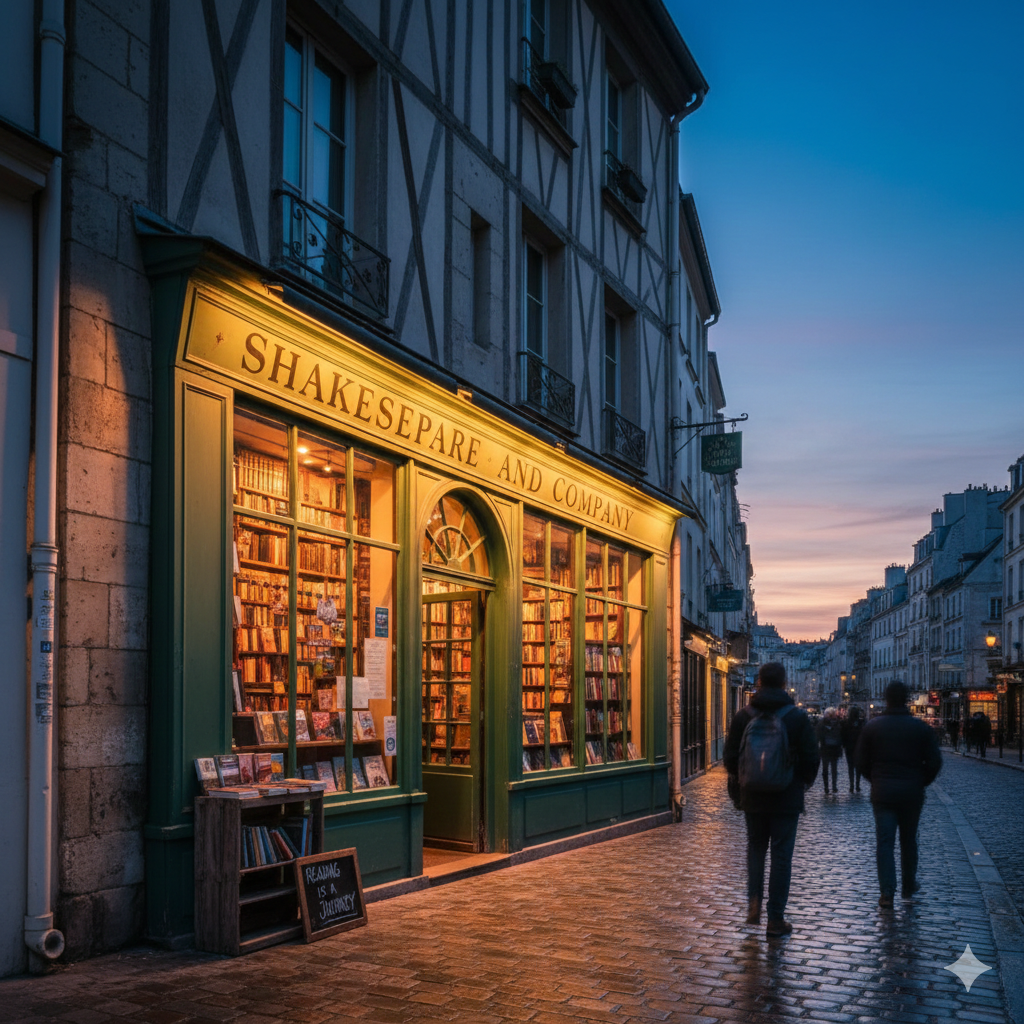
Iconic Shakespeare and Company bookstore in Paris at sunset.
My Favorite Solo Paris Experiences
Shakespeare and Company at Sunset: This legendary English-language bookshop near Notre-Dame becomes magical in late afternoon light. Browse for hours, attend free author readings, and join other solo travelers in the upstairs library. I’ve made three genuine friendships here, all started by reaching for the same book.
Marché d’Aligre Sunday Morning: This authentic neighborhood market in the 12th arrondissement offers the real Paris—locals haggling over vegetables, cheese vendors offering samples, and a flea market section where I found a vintage Hermès scarf for €20.
Musée de l’Orangerie for Monet’s Water Lilies: Much less crowded than the Louvre, this intimate museum houses Monet’s panoramic water lily paintings in oval rooms designed by the artist himself. Go on a Wednesday afternoon for near-solitude with these masterpieces.
Evening Stroll Along Canal Saint-Martin: The 10th arrondissement’s canal becomes a social hub at sunset. Locals gather on the banks with wine and cheese, street musicians perform on the bridges, and the atmosphere is relaxed and welcoming. I’ve joined countless spontaneous apéros (pre-dinner drinks) here just by smiling and saying bonjour.
Where to Stay in Paris
For First-Timers: Le Marais (3rd/4th Arrondissements)
Central, safe, with narrow medieval streets, excellent restaurants, and proximity to major sites. I recommend Generator Paris hostel on Place du Colonel Fabien—modern, social, with female-only dorms and a rooftop bar where I’ve met countless fellow solo travelers.
For Budget Travelers: Latin Quarter (5th Arrondissement)
Student neighborhood with affordable eateries, bookshops, and the Pantheon. Young & Happy Hostel is basic but perfectly located, with a breakfast courtyard where backpackers exchange France travel tips every morning.
For Authentic Vibes: Canal Saint-Martin (10th Arrondissement)
My personal favorite. More residential, less touristy, with great coffee shops and restaurants. St Christopher’s Inn Canal combines hostel affordability with hotel comfort, and their female dorms have private bathrooms.
For Splurging: Saint-Germain-des-Prés (6th Arrondissement)
Sophisticated, literary, with high-end shopping and historic cafés. Hôtel de Buci offers boutique luxury in a 17th-century building, perfect for treating yourself after a week of hostels.
Areas to Avoid: While Paris is generally safe, I steer clear of Gare du Nord/Gare de l’Est areas after dark, Château Rouge metro station at night, and the northern sections of the 18th and 19th arrondissements. These aren’t dangerous, just less pleasant for solo women after sunset.
Paris Solo Dining Guide
Paris transformed my relationship with solo dining. Here’s what works:
Breakfast/Brunch: Grab a croissant from any boulangerie (€1.20-1.80) and eat it while walking, or sit at a café terrace with café crème and tartine. Strada Café near Odéon has the perfect vibe for solo brunchers.
Lunch: Look for plat du jour (dish of the day) at bistros—typically €12-16 for a complete meal. Sit at the bar (comptoir) for easy conversation with staff and locals. Bouillon Chartier in the 9th has long communal tables where solo diners naturally mingle.
Dinner: Either embrace the full bistro experience or create a picnic from gourmet shops. For sit-down dinners, arrive early (7-7:30 PM) when restaurants are less crowded. Counter seating works beautifully—I had my best Paris meal at Frenchie Bar à Vins chatting with the sommelier while he paired my dinner.
Apéro Hour: 6-8 PM is when Parisians gather for pre-dinner drinks. Many bars offer complimentary snacks with wine orders. Le Mary Celeste in the Marais has a communal vibe perfect for solo travelers.
Secret Weapon: Bring a small notebook or book to cafés and restaurants. It gives you something to do between courses, makes you look sophisticated rather than lonely, and often sparks conversations with curious neighbors asking what you’re reading.
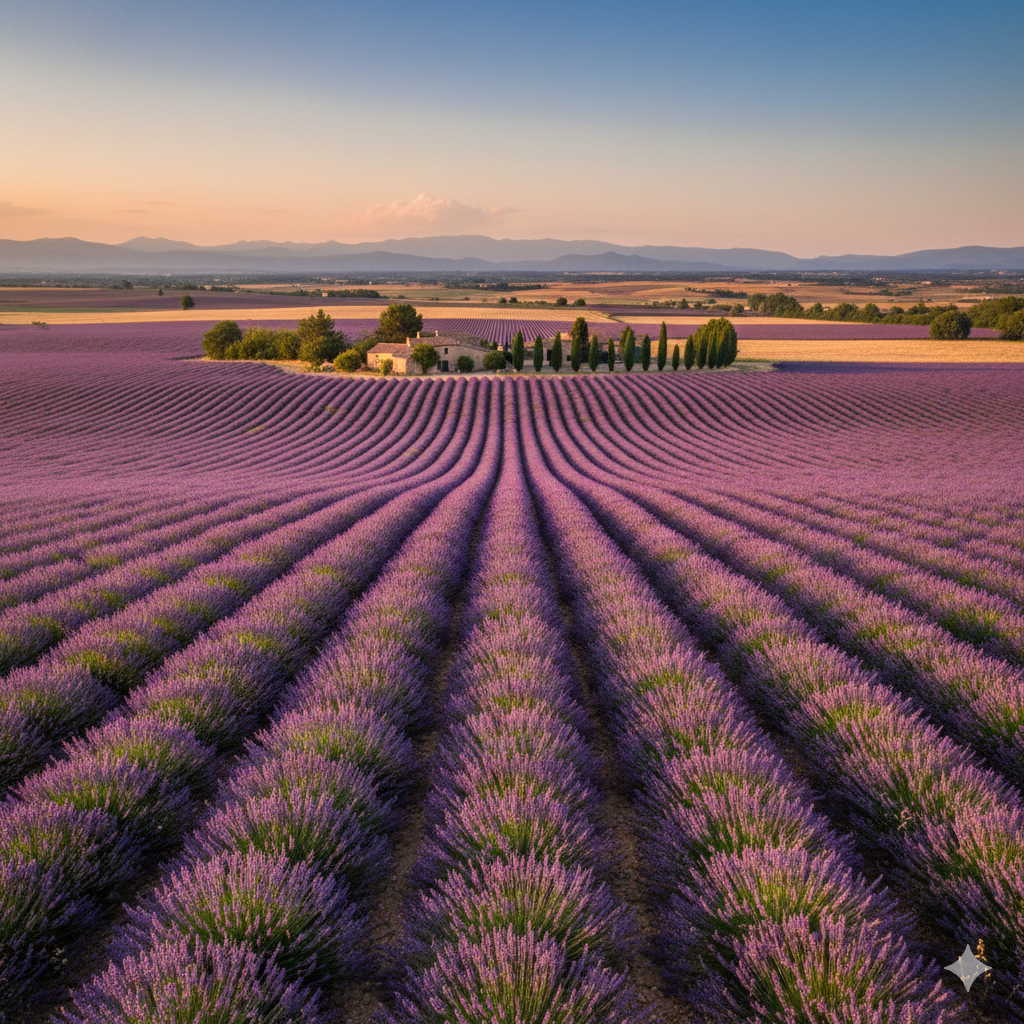
Vibrant purple lavender fields in Provence, France, during peak summer bloom.
Provence: Lavender Dreams & Village Life
Transformative Experience
If Paris taught me how to be alone in a crowd, Provence taught me to be alone in myself. The slow rhythm of southern France—morning markets, afternoon siestas, evening walks—creates space for genuine self-discovery that rushed travel never allows.
Why Provence Captivates Solo Travelers
Provence operates on its own clock, and as a solo traveler, you’re free to sync with it. Wake for sunrise over lavender fields, spend three hours over lunch without anyone rushing you, explore a different hilltop village each day, and watch the golden hour transform stone walls to honey-colored warmth.
The region also feels incredibly safe for women traveling alone. These are small communities where everyone knows everyone, and that protective local culture extends to visitors. I’ve been invited to family dinners, given rides to remote monasteries, and helped with my French in a way that urban areas rarely match.
Best Base Towns for Solo Travelers
Avignon: My top pick for a Provence base. The walled medieval city offers urban amenities (restaurants, shops, hostels) while providing easy access to surrounding villages via bus. The July theater festival transforms the city into Europe’s largest performing arts celebration.
Aix-en-Provence: University town with youthful energy, excellent café culture, and the beautiful Cours Mirabeau boulevard. Perfect for solo travelers who want nightlife options alongside Provençal charm.
Arles: Smaller and more intimate, with Roman ruins and Van Gogh heritage. The Saturday morning market is Provence at its finest—cheese vendors, olive sellers, and lavender soap makers all eager to share their products.
The Lavender Field Experience
Provence’s lavender bloom (mid-June to mid-August) is magical, but it requires planning as a solo traveler. The famous fields around Valensole Plateau lack public transport, so you have three options:
- Join a tour: Many leave from Avignon and Aix. Provence Reservation offers small-group tours that attract solo travelers.
- Rent a car: Liberating but requires confidence driving narrow rural roads. I recommend automatic transmission—French country roads have enough challenges without manual shifting.
- Bike tour: Several companies offer guided cycling through lavender country. Slower but more immersive, with lunch stops at local farms.
I chose option one for my first visit, option two for my second when I was more confident, and both experiences were worthwhile in different ways.
Lavender Timing: Peak bloom is July 1-15. Early July offers the best combination of full bloom and fewer crowds. By mid-August, harvesting is done and fields are brown stubble. Don’t despair if you miss lavender season—Provence’s hilltop villages, Roman ruins, and food markets reward visits year-round.
Village Hopping Solo
Provence’s perched villages (villages perchés) offer some of France’s most enchanting scenery, but public transport is limited. Here’s how I navigated as a solo traveler:
Must-Visit Villages Accessible by Bus:
- Gordes: Regular buses from Avignon. Arrive early before tour groups, climb to the château for valley views, and have lunch at one of the stone-terrace restaurants.
- Roussillon: The ochre cliffs village accessible via bus from Apt. Walk the Ochre Trail (Sentier des Ocres) for sunset—the red cliffs glow like fire.
- Les Baux-de-Provence: Buses from Arles. This medieval fortress village clings to a rocky outcrop with panoramic views. Visit the Carrières de Lumières, an art projection show inside a quarry.
Where I Stayed: Altera Roma Hôtel Monclar—a family-run hotel near the train station where the owner, Marie, gave me daily village recommendations and helped arrange my lavender tour. At €45/night with breakfast, it was perfect for my budget.
Provence Food Culture for Solo Diners
Markets are your best friend in Provence. Every town has at least one weekly market where you can assemble spectacular picnics:
- Fresh bread from the boulangerie stand
- Local cheese (try Banon wrapped in chestnut leaves)
- Saucisson (dry-cured sausage) from the charcutier
- Tomatoes, cherries, or melon depending on season
- A bottle of Côtes du Rhône from the wine vendor
For dinner, smaller towns have limited restaurants, but locals always pointed me toward the best option. In Gordes, I stumbled into La Bastide de Gordes where the chef chatted with me between courses about his grandmother’s recipes.
“Provence taught me that solo travel isn’t about being alone—it’s about being free to be present in each moment.”
French Riviera: Glamour You Can Actually Afford
Beach & Culture
The French Riviera intimidated me at first—visions of superyachts and €500 lunches seemed incompatible with solo budget travel. But I discovered that Nice, the region’s capital, offers affordable luxury, incredible museums, and a beach culture that welcomes solo sunbathers.
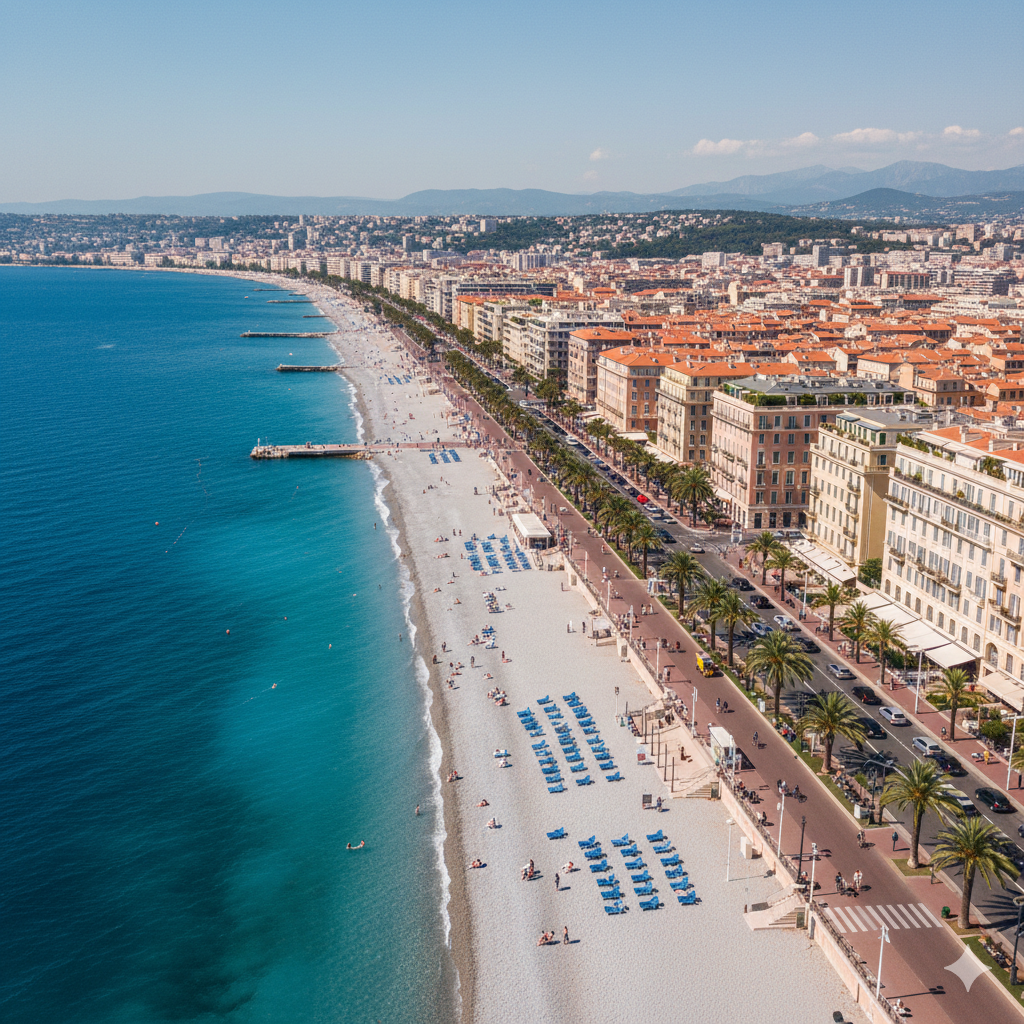
A view of the Promenade des Anglais with the turquoise Mediterranean water and the iconic blue chairs.
Nice: Your Riviera Base
Nice functions as the perfect base for Riviera exploration. The city itself rewards 2-3 days of wandering, while day trips can reach Monaco, Cannes, and dozens of hilltop villages.
What I Loved About Solo Nice:
The Promenade des Anglais: Seven kilometers of Mediterranean beachfront promenade. I jogged it every morning, swam mid-afternoon, and people-watched at sunset. The blue chairs (chaises bleues) are free and perfect for reading.
Vieux Nice (Old Town): A maze of narrow streets with Italian-influenced architecture (Nice was Italian until 1860). Get lost deliberately here—you’ll stumble onto tiny squares with fountain cafés and alleys with the best socca (chickpea pancake) in France.
Cours Saleya Market: Daily flower and produce market (except Mondays, which is antiques). The colors, scents, and energy make this quintessential Côte d’Azur. I bought fresh figs, local cheese, and a baguette for beach picnics.
Museums: Nice punches above its weight culturally. The Matisse Museum in Cimiez and Marc Chagall Museum both offer peaceful escapes from beach crowds, with stunning gardens for contemplative moments.
Day Trips from Nice
The Riviera’s train line hugs the coast, making day trips incredibly easy. Every trip offers different experiences:
Monaco (30 minutes by train): Yes, it’s ostentatious wealth on display, but it’s also fascinating. The oceanographic museum is world-class, the Japanese garden offers Zen calm, and watching the yacht harbor is free entertainment. I spent €15 total (€4 museum entry, €11 lunch) for a full Monaco day.
Villefranche-sur-Mer (10 minutes by train): This fishing village has the French Riviera charm that Nice’s size sometimes obscures. The beach is sandy (unlike Nice’s pebbles), the old town climbs steeply from the water, and locals still outnumber tourists. Perfect for a quiet beach day.
Èze (30 minutes by bus): A medieval village perched 400 meters above the sea. The views are breathtaking, the exotic garden is worth the €6 entry, and the steep paths ensure tour groups don’t linger long. Go mid-afternoon when cruise ship crowds have left.
Antibes (25 minutes by train): Picasso lived here, and his former studio is now a museum. The old town has Provençal market charm, while Juan-les-Pins offers nightlife if you’re craving some solo dancing.
Beach Culture Tips for Solo Women
Mediterranean beach culture differs from other regions, and knowing the unwritten rules helps solo women feel comfortable:
- Topless sunbathing: Common and completely normalized—but absolutely optional. Do what feels comfortable for you; nobody cares either way.
- Public vs. Private beaches: Public beaches (plages publiques) are free but rocky with no amenities. Private beaches (plages privées) cost €15-25/day for a sunbed and umbrella, plus changing rooms and showers. Worth it for comfort.
- Swimming solo: Totally normal and safe during daylight hours. I swam alone dozens of times without anyone bothering me.
- Beach clubs: Some cater to partiers, others to families. For solo women, Castel Plage and La Réserve have relaxed, respectful atmospheres.
Where I Stayed
Budget: Villa Saint Exupéry Beach hostel—10 minutes from the beach, with a pool, bar, and constant activities. Perfect for meeting other travelers. €28-35/night for dorm beds.
Mid-Range: Hôtel Wilson near the train station—simple but clean, with balconies overlooking palm trees. €65-80/night for a single room.
Splurge: Hôtel La Pérouse—built into the cliff with sea views, rooftop pool, and walking distance to everything. €180-220/night, worth it for a special celebration.
Peak Season Warning: July-August sees hotel prices triple and beaches packed shoulder-to-shoulder. June and September offer 75% of the sunshine with 30% of the crowds and costs. May and October are even better for budget travelers, though swimming might be chilly.
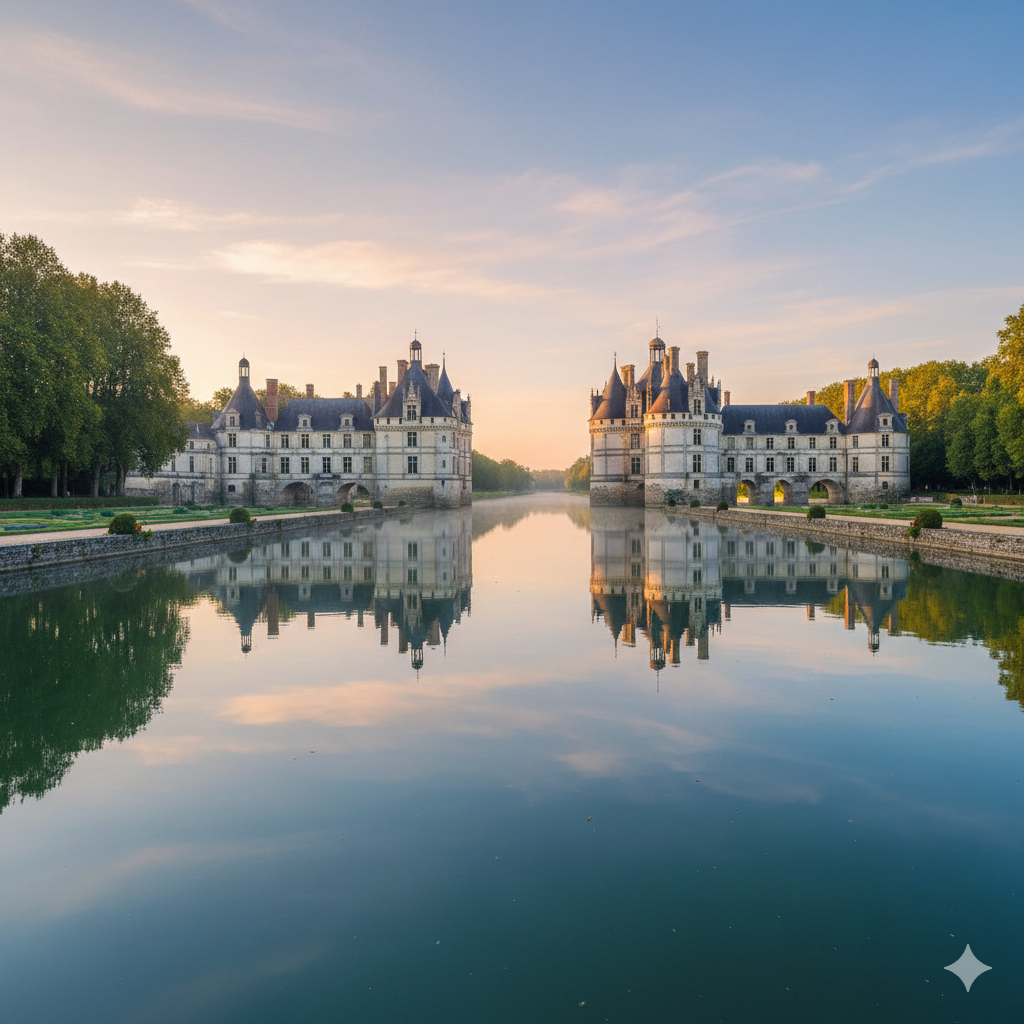
The reflection of Château de Chenonceau in the Cher River
Loire Valley: Châteaux & Wine Country
History & Wine
The Loire Valley represents the France of fairytales—elegant châteaux, manicured gardens, and vineyard-covered hillsides. It’s also wonderfully manageable for solo travelers, with good train connections and bike paths linking major sites.
Château Hopping Strategy
The Loire Valley has 300+ châteaux, so strategic planning prevents overwhelm. I focused on five unmissable castles spread across two bases:
Château de Chambord: The grandest, with 440 rooms and Leonardo da Vinci’s double-helix staircase. Rent a bike to explore the vast grounds—the château sits in a 5,440-hectare hunting park with forest trails.
Château de Chenonceau: The “Ladies’ Castle” built across the Cher River. Arrive at opening time (9 AM) to experience it before bus tours arrive. The gardens are equally stunning as the interior.
Château de Villandry: Renaissance gardens in geometric perfection. Six distinct garden areas include a vegetable garden that’s somehow ornamental. Go in spring (May-June) when everything blooms.
Château d’Amboise: Smaller and more intimate, this was Leonardo da Vinci’s final home. The chapel where he’s buried overlooks the Loire River beautifully.
Château de Cheverny: Still privately owned and lived in, giving it a different feel than the museum-châteaux. The hounds are fed daily at 5 PM—a traditional spectacle worth scheduling around.
Best Base Towns
Tours: The most practical base with train connections to Paris (1 hour) and throughout the valley. University town energy, excellent restaurants, and easy access to multiple châteaux via bus or bike.
Amboise: My personal favorite—smaller, with its own château, and Leonardo da Vinci’s last home (Clos Lucé) within walking distance. More expensive than Tours but infinitely more charming. The Thursday market is wonderful.
Blois: Middle option between Tours and Amboise—moderate size, its own significant château, and good connections. Lower prices than Amboise with more nightlife than you’d expect.
Bike Touring Solo
The Loire Valley is France’s premier bike touring destination, with 800+ kilometers of dedicated cycling paths (Loire à Vélo). As a solo woman, I found this the most rewarding way to explore:
Self-Guided Options: Rent a bike (€15-20/day) and follow the marked routes between towns. Panniers provided for your luggage. Sleep in a different town each night or return to a base.
Guided Tours: Companies like Butterfield & Robinson offer small-group bike tours that attract solo travelers. More expensive but you’ll make friends and have mechanical support.
My Favorite Route: Amboise to Chenonceau (10km each way)—flat, scenic, passing through vineyards with château views. Perfect half-day ride with time for château visit and riverside picnic.
Bike Safety: Loire à Vélo paths are almost entirely car-free and flat. I’m not an athletic cyclist, and I found it easy and safe. Helmets aren’t mandatory but I wore one. Bring a phone mount for navigation—cell coverage is excellent throughout the valley.
Wine Tasting for One
Loire Valley wine regions produce incredible whites (Sancerre, Vouvray) and reds (Chinon, Bourgueil). Solo wine tasting works differently here than in Bordeaux or Burgundy—more casual, less formal, very welcoming to individuals.
Wine Villages to Visit:
- Vouvray: Famous sparkling wines. Domaine Huet does tastings without appointments, and owner-winemakers personally guide you.
- Chinon: Red wine capital with medieval hilltop fortress. The town is beautiful independent of wine interest.
- Sancerre: Perched village overlooking vineyards. Multiple tasting rooms (caves) welcome walk-ins. Try the local goat cheese (Crottin de Chavignol) with the wine.
Most tastings cost €5-10 for 3-5 wines, refunded if you buy bottles. I always bought—the wines are affordable (€8-15 for excellent bottles) and make great gifts or picnic additions.
Where I Stayed
La Chancellerie in Amboise—a B&B in a 15th-century building run by Madame Durand, who treated solo guests like family. She arranged my bike rental, provided picnic recommendations, and her breakfast (included) featured homemade jams from local fruits. €70/night felt like luxury at twice the price.
Normandy & Brittany: Coastal France
History & Coastal Beauty
Northern France surprised me with dramatic coastlines, fascinating World War II history, and Celtic culture that feels distinctly un-French. These regions reward slow travel and solo exploration.
Normandy Highlights
Mont-Saint-Michel: The island abbey rising from tidal flats is France’s most photographed landmark after the Eiffel Tower. Stay overnight on the mount itself (expensive but magical) or in nearby Pontorson (affordable with frequent shuttle buses). Arrive late afternoon when day-trippers leave—the mount at sunset and night is ethereal.
D-Day Beaches: Emotionally powerful even 80+ years later. I joined a small-group tour from Bayeux that visited Omaha Beach, American Cemetery, and Pointe du Hoc. Our guide was a local historian whose grandfather lived through the invasion. Solo travelers need tours here—distances between sites require transportation, and historical context enhances understanding.
Bayeux: Medieval town with the famous tapestry (which is actually embroidery) depicting William the Conqueror’s 1066 invasion of England. The town itself is wonderfully preserved, and I based here for D-Day beach tours.
Honfleur: Picture-perfect harbor town that inspired Impressionist painters. Weekend crowds can be intense, but weekday visits find it peaceful. The Saturday market is excellent for Normandy specialties—Calvados apple brandy, Camembert cheese, and cider.
Brittany’s Celtic Soul
Brittany feels different from the rest of France—Celtic heritage shows in the language (Breton is related to Welsh and Cornish), music, and fierce regional pride.
Saint-Malo: Walled coastal city with dramatic tides (up to 12-meter difference between high and low tide). Walk the ramparts at sunset, explore the corsair history, and day-trip to the island of Grand Bé (accessible at low tide) where the writer Chateaubriand is buried.
Carnac: Mysterious megalithic stones pre-dating Stonehenge by thousands of years. Over 3,000 standing stones in mysterious alignments. Bike between the different fields (Ménec, Kermario, Kerlescan) for a wonderfully solitary ancient experience.
Quiberon Peninsula: Wild coast (Côte Sauvage) with crashing waves and seaside hiking trails. The opposite of Riviera glamour—rugged, windswept, and spectacularly beautiful. Perfect for solo contemplative walks.
Solo Dining in Brittany
Brittany’s crêperies (crêpe restaurants) are perfect for solo dining. These casual spots have counter seating where you can watch crêpes being made while chatting with staff. Must-try combinations:
- Galette complète (ham, cheese, egg on buckwheat crêpe)
- Sweet crêpe with salted butter caramel (Brittany invented salted caramel!)
- Pair with local cider (alcoholic apple cider) served in traditional ceramic bowls
My favorite: Crêperie des Remparts in Saint-Malo, where the owner remembered my order on my second visit.
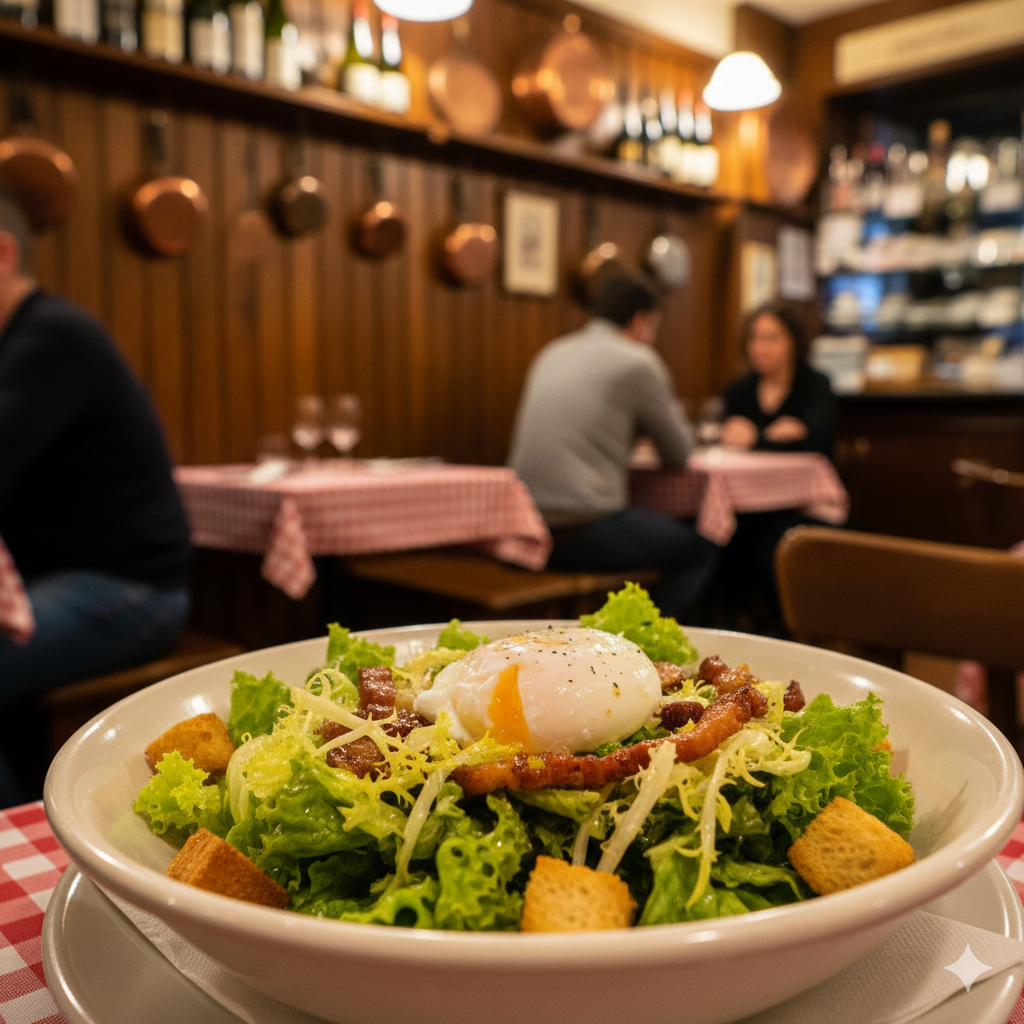
A traditional Salade Lyonnaise
Lyon: France’s Secret Culinary Capital
Food Lover’s Paradise
Lyon calls itself France’s gastronomic capital, and I won’t argue. This city of 500,000 punches far above its weight culturally while maintaining approachability that Paris sometimes lacks.
Why Lyon Works for Solo Travelers
Lyon combines urban sophistication with neighborhood intimacy. The city sits at the confluence of two rivers (Rhône and Saône), creating distinct districts each with unique character. Public transport is excellent, locals are friendlier than Paris, and the food culture embraces solo diners.
Exploring Lyon’s Neighborhoods
Vieux Lyon (Old Lyon): UNESCO-listed Renaissance district with traboules (covered passageways connecting buildings). Get lost deliberately here—these secret passages were used by silk workers and Resistance fighters. Many are still private residences; respect privacy signs.
Presqu’île: The peninsula between the rivers containing shopping streets, grand squares (Place Bellecour is Europe’s largest), and museums. This is Lyon’s beating heart.
Croix-Rousse: Former silk workers’ district up a steep hill. Bohemian cafés, artist studios, and the best city views from the traboules. The morning market (Tuesday-Sunday) is Lyon’s finest.
Confluence: Modern district where the rivers meet, with contemporary architecture and the excellent Musée des Confluences (science and anthropology museum with spectacular building).
Bouchon Culture for Solo Diners
Bouchons are traditional Lyonnais bistros serving hearty regional cuisine. Unlike formal restaurants, bouchons embrace a convivial atmosphere perfect for solo travelers:
How Bouchons Work:
- Arrive around 7:30-8 PM (French dinner time)
- Request a table for one at the bar or ask for a small table
- Order the formule (set menu) for best value—€20-25 for appetizer, main, dessert, and wine
- Don’t rush—Lyonnais dinners last 2+ hours
- Chat with servers between courses; they’ll explain dishes and often share Lyon stories
What to Order:
- Salade Lyonnaise (frisée lettuce with bacon, poached egg, croutons)
- Quenelles de brochet (pike fish dumplings in sauce Nantua)
- Andouillette (tripe sausage—not for everyone, but very traditional)
- Tarte à la praline (pink praline tart)
My Favorite Bouchons:
- Chez Paul—family-run, unchanged for 50 years, tiny but welcoming
- Le Bouchon des Filles—female chef-owned, slightly lighter interpretations of classics
- Daniel et Denise—Michelin-starred bouchon (yes, that exists!)
Insider Tip: Les Halles de Lyon Paul Bocuse is the city’s gourmet market. Browse cheese, charcuterie, and pastry vendors, then grab counter seats at one of the oyster bars or wine bars. Perfect for solo lunches where you can sample multiple vendors without committing to a full meal.
Beyond Food: Lyon’s Cultural Side
Museums: The Musée des Beaux-Arts rivals Paris collections with old masters and French impressionists. The Musée Miniature et Cinéma showcases movie special effects—quirky and fascinating.
Parc de la Tête d’Or: Massive urban park with free zoo, botanical gardens, and a lake for rowing boats. I spent several afternoons here reading under trees, perfect solo time.
Festival of Lights (December 8-11): Lyon’s most famous event transforms the city with light installations and projections. Book accommodation months ahead—hotels fill up a year in advance. Worth the crowds for the magical atmosphere.
Where I Stayed
Away Hostel & Coffee Shop in Vieux Lyon—modern hostel with excellent coffee bar, female dorms, and morning yoga classes. €28-32/night. The communal dinners (€8 extra) helped me meet other travelers exploring France.
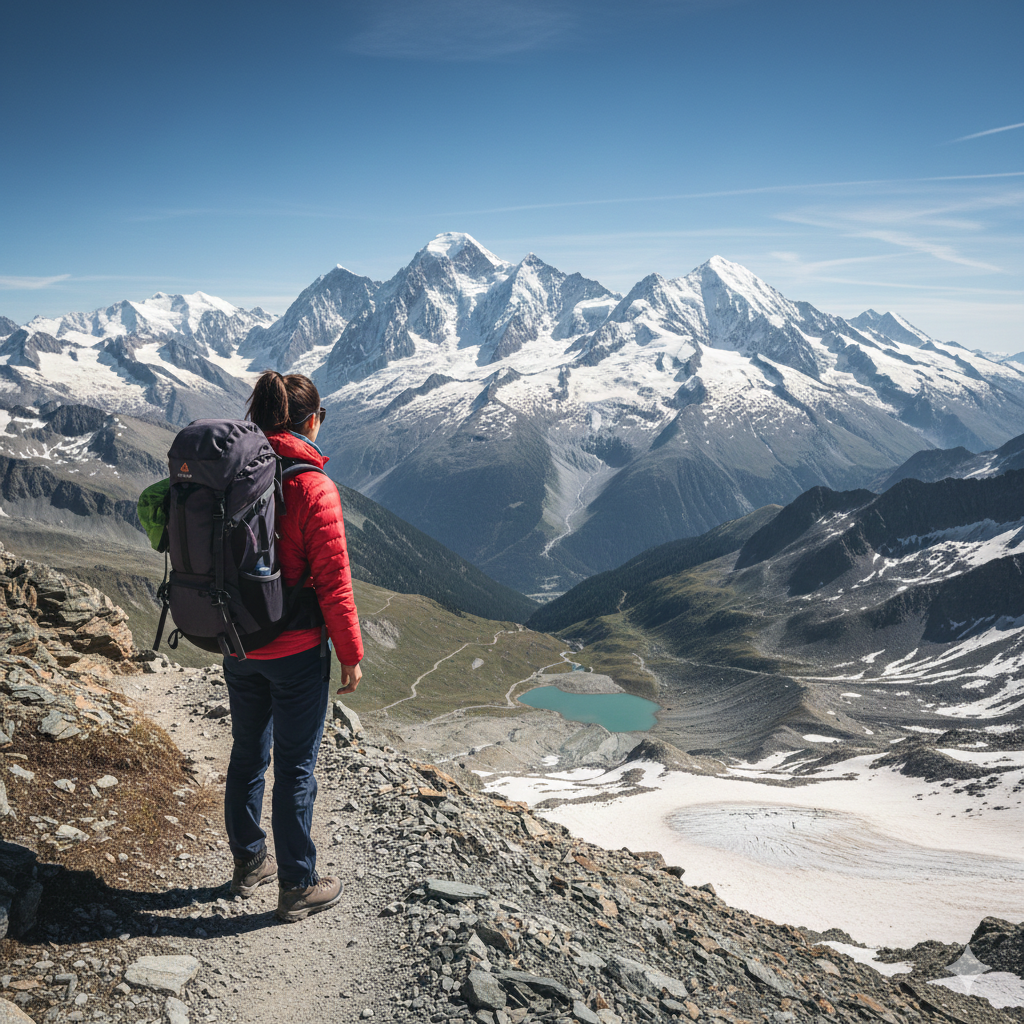
Hiking on a mountain trail in Chamonix with a view of the French Alps.
French Alps: Mountain Adventures for Solo Women
Nature & Adventure
The French Alps intimidated me initially—would a solo woman feel comfortable in ski resorts and mountain towns? The answer surprised me: alpine regions are incredibly welcoming, with robust solo hiking culture and excellent infrastructure.
Summer in the Alps
Chamonix: At the base of Mont Blanc (Western Europe’s highest peak), Chamonix transitions from winter ski resort to summer hiking paradise. The town itself has year-round energy—climbers, hikers, and adventure seekers from around the world.
What I Did Solo in Chamonix:
- Aiguille du Midi cable car (€65) to 3,842 meters—absolutely breathtaking views
- Mer de Glace glacier hike—accessible via tourist train, then walk to ice caves
- Trail running on marked paths around town
- Joined a guided glacier walking tour (required for glacier access, €85 with equipment)
Annecy: “Venice of the Alps” with canals, a lake, and mountain backdrop. More relaxed than Chamonix, perfect for solo travelers wanting alpine scenery without extreme sports. I cycled the 40km lake loop, swam in crystal-clear water, and explored the medieval old town.
Grenoble: University city in a mountain valley. Less touristy than Chamonix or Annecy, with authentic French alpine life. Take the cable car bubbles to Bastille fortress for 360-degree mountain views. Great base for day hikes in surrounding ranges.
Solo Hiking Safety
Mountain hiking alone requires different precautions than city wandering:
- Tell someone your route: Hostel staff, hotel reception, or even Facebook post with trail name and expected return time
- Download offline maps: Cell coverage is unreliable in mountains; Maps.me or AllTrails offline downloads are essential
- Start early: Weather deteriorates by afternoon in mountains; start hikes by 8-9 AM
- Know your limits: Mountain trails are graded (easy/moderate/difficult); be honest about fitness level
- Pack layers: Temperature drops 1°C every 150 meters of elevation; bring jacket even if valley is hot
- Water and snacks: Carry minimum 1.5L water and high-energy snacks
I never felt unsafe hiking solo in the Alps. Trails are well-marked, and you encounter other hikers regularly. The mountain culture here respects solo adventurers—nobody questioned my hiking alone, and several groups invited me to join them.
Winter Ski Season
Solo skiing/snowboarding is trickier than summer hiking but definitely doable:
Best Solo-Friendly Ski Resorts:
- Val d’Isère: Large resort with ski schools offering group lessons—easy way to meet people
- Les Gets: Charming village atmosphere, less intimidating than mega-resorts
- Tignes: Year-round skiing on glacier, attracts solo travelers and has active nightlife
Budget Tip: Ski passes cost €50-70/day in peak season (December-March). Consider late season (April) when prices drop 30-40% and conditions remain excellent.
Where I Stayed
Chamonix: Chamonix Lodge—modern hostel with bar, restaurant, and constant activities. Easy to meet other adventure travelers. €35-45/night for dorms.
Annecy: La Mandala Boutique Hostel—beautiful old building renovated as hostel, female dorms available, €25-30/night.
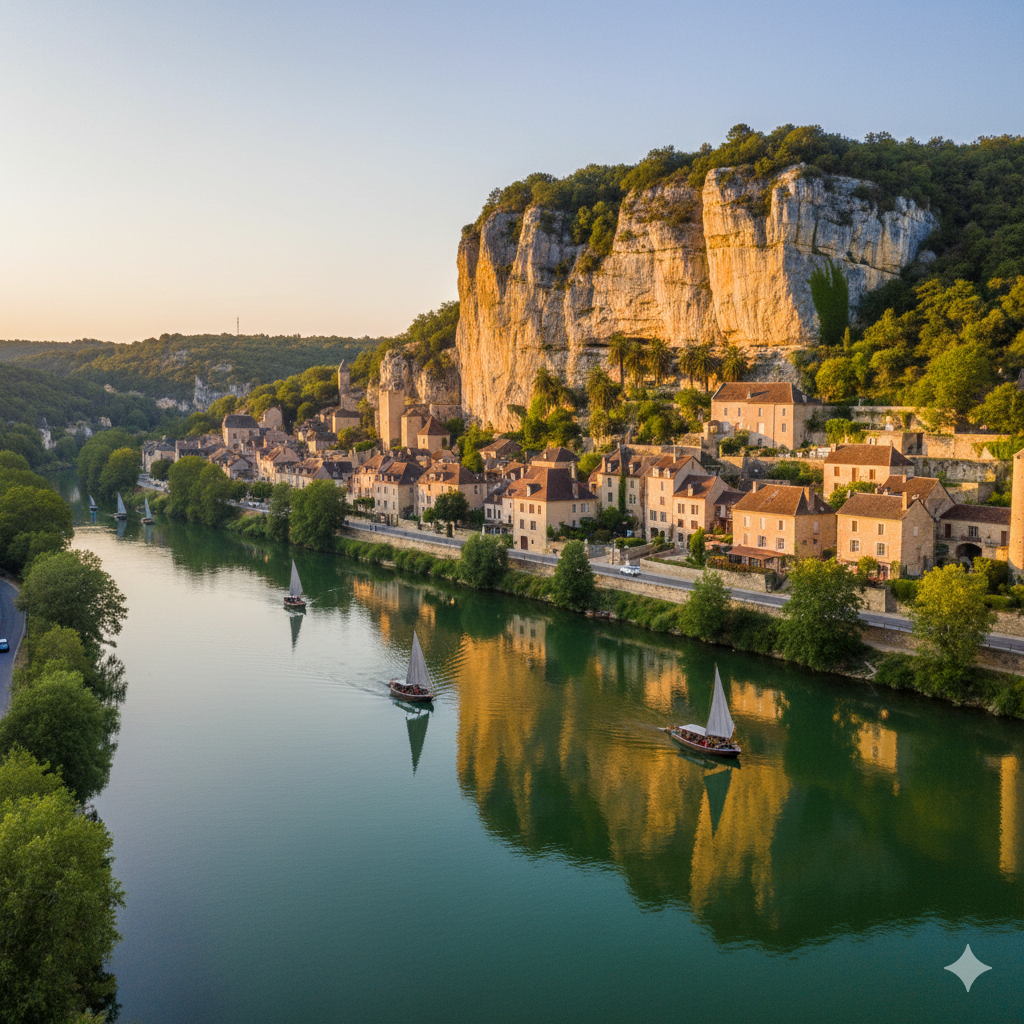
The medieval riverside village of La Roque-Gageac in the Dordogne region of France.
Dordogne: Medieval France
Dordogne
Hidden Gem
The Dordogne region in southwestern France remains wonderfully under-touristed compared to Provence or Loire Valley. Medieval villages, prehistoric caves, and truffle markets create an experience of timeless France.
Why Dordogne Appeals to Solo Travelers
The Dordogne’s slower pace and smaller villages force you to disconnect from digital life and reconnect with simple pleasures—market shopping, river swimming, château exploring, and truffle hunting (yes, with dogs!).
Must-Visit Villages
Sarlat-la-Canéda: The region’s capital and your best base. Saturday market is legendary—locals buy foie gras, walnuts, and truffles in season. The medieval old town has honey-colored buildings and winding streets perfect for getting lost.
Rocamadour: Sanctuary built into a cliff face with shrines accessed via 216 steps. Pilgrims have climbed these stairs for 1,000 years. Visit late afternoon when tour groups leave for magical solitude.
La Roque-Gageac: Riverside village wedged between cliff and Dordogne River. Rent a canoe and paddle past dramatic scenery. I saw the village best from water—houses stack up the cliff like a medieval tower.
Beynac-et-Cazenac: Castle perched on a cliff overlooking the river. Hike up (steep but short) for panoramic views. The village below has stone houses and craftsmen workshops.
Prehistoric Caves
The Dordogne holds the world’s highest concentration of prehistoric cave art. Several caves allow visitors:
Lascaux IV: Exact replica of the original Lascaux cave (closed to protect paintings). The replica is stunning—17,000-year-old art in vivid colors. Book ahead; daily visitor numbers are limited.
Font-de-Gaume: Original prehistoric cave still allowing visitors (for now—may close due to preservation concerns). Maximum 52 people per day; book weeks ahead online. Seeing actual 14,000-year-old bison paintings was a profoundly moving experience.
Food Specialties
Dordogne cuisine centers on duck, walnuts, and truffles. Market shopping becomes necessary as many villages lack restaurants:
- Foie gras: Duck or goose liver pâté, a local specialty
- Confit de canard: Duck leg slow-cooked in its own fat
- Truffles (November-March): Black winter truffles perfume every market in season
- Walnut products: Walnut oil, walnut liqueur, candied walnuts
- Cabécou: Local goat cheese
I took a truffle hunting tour where dogs sniffed out these underground treasures. We found three truffles worth €200+ total. The farmer let me keep a small one—I shaved it over pasta that night in my gîte (country cottage rental).
Transportation Challenge
Dordogne public transport is limited. Villages connect via infrequent buses (2-3 per day). Your options as a solo traveler:
- Rent a car: Most practical if you can drive manual transmission (automatics cost 30% more). Parking is easy, distances are short, and roads are scenic.
- Bike touring: Rental bikes available in Sarlat. The region has hills, so electric bikes help. Several companies offer self-guided bike tours with luggage transport.
- Base in Sarlat and day tour: Several companies run small-group tours to villages and caves. I did this and met three other solo women travelers—we ended up exploring together.
Where I Stayed: Gîte (cottage) rental near Sarlat—€50/night for entire cottage with kitchen. Perfect for cooking market finds and enjoying countryside solitude. AirBnB and Gîtes de France both list options.
Essential Practical Tips for Solo Female Travelers in France
Language Considerations
French people appreciate any effort to speak their language, even badly. Learn these essential phrases:
- Bonjour: Hello (say this when entering any shop, café, or business)
- Merci: Thank you
- S’il vous plaît: Please
- Excusez-moi: Excuse me
- Je ne parle pas français: I don’t speak French
- Parlez-vous anglais?: Do you speak English?
- L’addition, s’il vous plaît: The check, please
- Une table pour une personne: A table for one
Cultural Note: Always say “Bonjour” when entering shops, cafés, or even elevators with others. This politeness ritual matters in France more than language perfection. Parisians who seem rude often soften dramatically after a cheerful “Bonjour!”
Transportation Across France
Trains (SNCF): France’s train network is excellent. Book tickets via SNCF Connect app or website. TGV (high-speed trains) connect major cities; regional TER trains serve smaller towns.
Train Booking Tips:
- Book 3 months ahead for cheapest fares (Prem’s tickets up to 70% off)
- Youth cards (under 28) and senior cards (over 60) save 30%
- First class sometimes costs only €5-10 more—worth it for space and quiet
- Validate tickets at yellow machines before boarding (regional trains)
BlaBlaCar: Ridesharing app popular in France. I used it for routes poorly served by trains (€10-20 for multi-hour trips). Verify driver ratings, and trust your instincts about ride acceptances.
City Transport: Metro systems in Paris, Lyon, Marseille, and Toulouse are safe and efficient. Buy multi-day passes to save money. In smaller cities, buses and trams work well.
Money Matters
Currency: Euro (€). ATMs widely available; use bank ATMs rather than independent ones to avoid fees.
Credit Cards: Visa and Mastercard accepted everywhere. Contactless payment is standard. However, many French cards use chip-and-PIN—some automatic machines (like train ticket kiosks) may reject US swipe cards.
Tipping Culture: Service charge is included in restaurant bills. Round up or leave small change for good service (€1-2), but 15-20% tips aren’t expected. At cafés, leave coins for drink orders.
Accommodation Strategies
Hostels: France has excellent hostel culture. Female-only dorms are standard in major cities. Look for HI Hostels (Hostelling International) for quality and safety.
Budget Hotels: Chains like Ibis Budget and B&B Hotels offer clean, safe rooms for €40-60/night—perfect between hostel and boutique pricing.
Airbnb/Gîtes: Great for longer stays (3+ nights). Entire apartments often cost less than hotels for extended periods. Gîtes de France lists quality countryside rentals.
Couchsurfing: I’ve used Couchsurfing in France with verified hosts. Meet first in public, trust your instincts, and have backup accommodation booked. The cultural exchange can be rewarding.
Phone and Internet
SIM Cards: Buy a prepaid SIM at airports or tabac shops (€10-20 for 20GB including EU roaming). Orange and SFR have best coverage.
WiFi: Available in most cafés, hostels, and hotels. Many McDonald’s offer free WiFi if you need emergency internet.
Safety & Solo Dining Culture
France is generally safe for solo female travelers, ranking 23rd globally in the 2025 Global Peace Index. However, precautions matter:
Safety Precautions
- Pickpocketing: Common in Paris (especially metro lines 1 and 4, around Eiffel Tower, and Champs-Élysées). Keep bags zipped and in front of you. I use a cross-body bag worn under jackets in crowds.
- Metro safety: Generally safe, but avoid empty cars late at night. Sit near other women or couples if traveling after 11 PM.
- Drink precautions: Watch your drink being made, never accept opened drinks from strangers, cover drinks when going to restrooms.
- Walking at night: Stick to well-lit, populated streets. Trust your instincts—if an area feels wrong, leave.
- Taxi/Uber: Uber is safer than random taxis in France. If taking a licensed taxi, verify the meter is running.
Emergency Numbers
- 112: General emergency (works throughout EU)
- 15: Medical emergencies (SAMU)
- 17: Police
- 18: Fire brigade
Save your embassy contact information before traveling.
Harassment and Street Culture
French street culture includes more public flirting than many countries. Most is harmless, but knowing how to respond helps:
“Non, merci” (No, thank you): Firm but polite response to unwanted attention. Most French men accept this immediately.
“Laissez-moi tranquille” (Leave me alone): For persistent harassment.
Ignore completely: Don’t make eye contact or respond to catcalling. Responding encourages continuation.
I experienced some street comments in Paris and Marseille, but never felt genuinely threatened. The attention was annoying but not dangerous. Staying confident and ignoring it worked best.
Solo Dining Culture Deep Dive
French dining culture actively celebrates solo meals. Here’s what I learned:
Breakfast: Coffee and croissant at a café counter is standard. Parisians often stand at the bar drinking espresso before work. Totally normal alone.
Lunch: The main solo dining opportunity. Formule déjeuner (lunch menu) offers 2-3 courses for €12-18 at good restaurants. Counter seating, bar seating, or small tables—all work solo.
Dinner: More couples-oriented, but solo dining is still normal. Strategies:
- Dine early (7-7:30 PM) when restaurants are less crowded
- Request bar/counter seating if available
- Bring a book or notebook (makes waiting between courses comfortable)
- In bistros and bouchons, solo diners are very common
Apéro (Pre-dinner drinks): Join locals at wine bars 6-8 PM. Order a glass of wine and the complimentary snacks make a light meal. Great way to meet people.
Solo Dining Confidence Builder: Start with cafés (least intimidating), progress to casual bistros, then try finer restaurants as comfort increases. I began terrified of eating alone and ended my France travels seeking out solo dining experiences for the peace and people-watching they offered.
Budget Breakdown: 3 Spending Levels
14-Day France Solo Trip Budgets
Backpacker Budget: €980 total (€70/day)
- Accommodation: €420 (hostel dorms, occasional Couchsurfing)
- Food: €280 (market picnics, bakery breakfasts, occasional restaurant)
- Transport: €150 (advance-booked trains, some buses)
- Activities: €100 (free walking tours, occasional museum)
- Misc: €30 (SIM card, laundry)
Comfortable Mid-Range: €1,820 total (€130/day)
- Accommodation: €840 (mix of hostels private rooms and budget hotels)
- Food: €490 (café breakfasts, bistro lunches, nice dinners)
- Transport: €250 (regular train fares, some TGV)
- Activities: €210 (museum entries, tours, wine tastings)
- Misc: €30
Boutique Experience: €3,150 total (€225/day)
- Accommodation: €1,680 (boutique hotels, charming B&Bs)
- Food: €840 (all restaurant meals, wine with dinners)
- Transport: €350 (first-class trains, occasional car rental day)
- Activities: €280 (skip-line tickets, private tours, cooking classes)
- Misc: €0 (covered in daily budget)
Money-Saving Strategies I Used
- Book trains 3 months ahead: Saved me 60% on TGV tickets versus last-minute booking
- Lunch over dinner: Many restaurants offer 2-course lunch menus for €12-15 versus €25+ for same food at dinner
- Museum free days: First Sunday of each month, many museums are free
- Supermarket breakfast: Yogurt, fruit, and pastry from Carrefour costs €3 versus €8 at cafés
- Walk everywhere possible: Paris especially is highly walkable, saving metro tickets
- BlaBlaCar for regional travel: Ridesharing cost 50-70% less than trains for some routes
- Wine at supermarkets: Excellent €5-8 bottles versus €25+ in restaurants
What to Pack for Solo France Travel
I’ve refined my France packing list through multiple trips. Here’s what actually matters:
Essential Clothing
- Comfortable walking shoes: You’ll walk 15,000+ steps daily. Break them in before traveling.
- One nice outfit: For finer restaurants or opera/ballet performances
- Layerable items: Weather changes quickly; layers adapt better than heavy single items
- Scarf: Versatile for warmth, church covering, and looking Parisian
- Rain jacket: Lightweight, packable, essential year-round
- Dark colors: Show dirt less, blend in better than bright tourist colors
Tech and Documents
- Phone with offline maps: Download Google Maps areas before WiFi-less situations
- Portable charger: Essential for photography-heavy days
- Adapter: France uses Type C/E plugs (two round pins)
- Copies of passport/documents: Email yourself copies; keep physical copies separate from originals
Safety and Comfort Items
- Cross-body bag: Harder to pickpocket than backpacks
- Reusable water bottle: French tap water is excellent and free
- Small notebook and pen: For journaling, trip notes, and solo café time
- Earplugs and eye mask: Hostel dorms need these
- Basic first aid kit: Band-aids, pain relievers, any prescriptions
What Not to Pack
- Hair dryer (hotels provide them; hostels have shared ones)
- More than one week’s clothes (laundromats are everywhere)
- Large towel (buy small quick-dry travel towel instead)
- Guidebook (use phone apps; saves weight)
- Expensive jewelry (attracts pickpockets, won’t be worn)
Ready to Explore France Solo?
France welcomes solo female travelers with open arms, delicious food, and endless adventures. From Parisian café culture to Provençal lavender fields, from Alpine peaks to Mediterranean beaches—your perfect France journey awaits.
The only question left is: where will you start?
Your France Solo Journey Starts Now
Three years ago, I sat in that Parisian café, nervous and uncertain about solo travel in France. Today, I can’t imagine not traveling this way. The independence, the cultural immersion, the unexpected friendships, and the profound self-discovery.
France rewards solo female travelers in ways that group tours and couples trips simply can’t match. You’ll move at your own pace, follow your own interests, and discover the real France beyond tourist highlights.
Yes, there will be moments of loneliness. But there will be far more moments of joy, wonder, and that beautiful French concept of joie de vivre—the joy of living. And you’ll discover that being alone doesn’t mean being lonely; it means being free.
Bon voyage, fellow traveler. France is waiting for you.
About the Author
Written by a seasoned solo female traveler who has independently explored 47 countries, this guide draws on years of cultural immersion, food-focused adventures, and personal growth. From street food markets to fine dining, rural villages to iconic landscapes, solo travel has shaped her worldview and sense of independence. France, in particular, taught her that traveling—and dining—alone can be empowering, not isolating. Through Jetgurl, she shares honest, practical insights to inspire other women to embrace the freedom and transformation of solo travel.
Price Disclaimer
Prices in this guide are based on 2025–2026 research and personal experience and are meant as general budgeting estimates. Actual costs vary due to season, location, booking timing, exchange rates, and travel style, with peak months significantly more expensive. Always check current prices and availability when planning your trip.