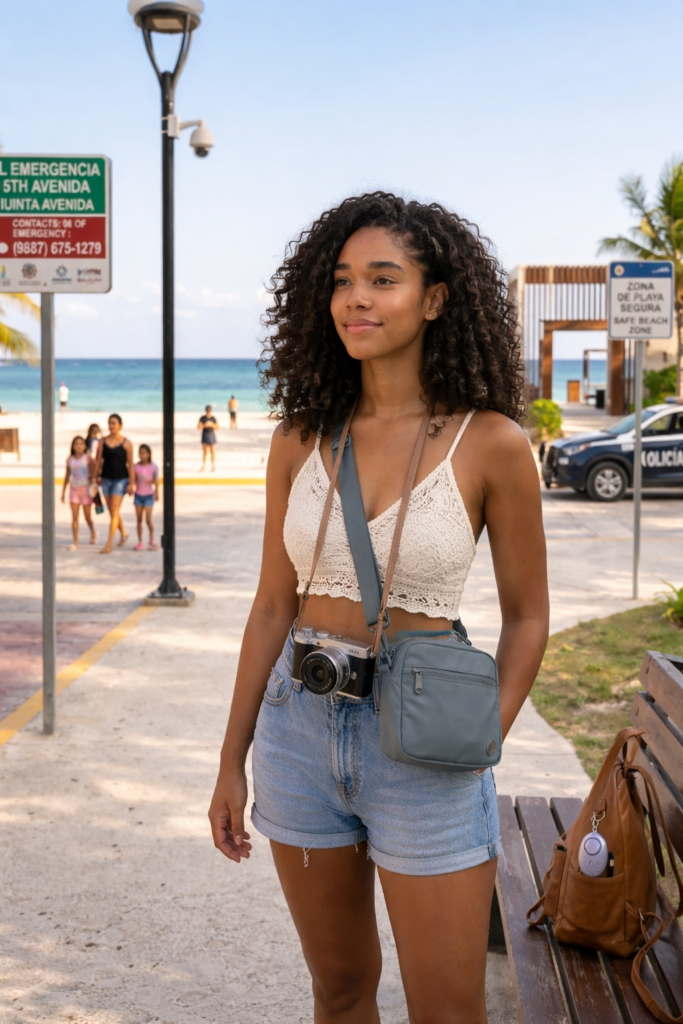
Safety is a Strategy, Not a Feeling.
The safest travelers aren’t the ones who worry the most—they’re the ones who managed the risk before they even landed.
I don’t do fear-mongering. Instead, I provide a logistical framework for safety. My guides examine the intersection of local culture and personal security, helping you identify common scams, vet neighborhoods using real-time data, and understand how local authorities interact with solo women.
Key Safety Blueprints:
- The 2026 Comprehensive Safety Guide → My master framework for solo travel, from encrypted digital backups to emergency extraction plans.
- Regional Risk Analysis: Asia 2026 → A deep dive into the specific visa rules, transit safety, and common regional scams.
What we cover in Safety Tips:
- Destination-specific safety guides — the real on-the-ground picture for each country and city
- How to pick safe neighbourhoods and accommodation
- Transport safety: taxis, rideshares, overnight buses and trains
- Solo dining, nightlife, and navigating unwanted attention
- Digital safety: using your phone, managing money, and staying connected
- Emergency resources and contacts for women traveling solo
More safety guides are added regularly as we cover new destinations — so if you’re planning a trip and can’t find a guide yet, let us know → and we’ll prioritise it.
Our Editorial Standards
To provide an objective risk assessment, our safety frameworks are built on a cross-analysis of the latest data from the Global Peace Index (GPI), U.S. State Department travel advisories, and real-time cost-of-living and safety metrics from Numbeo